The Importance of Lighting in Creating Functional and Efficient Minimalist Environments
The Role of Lighting in Minimalist Environments
In the modern approach to interior design, minimalism has emerged as a favored aesthetic. However, minimalist design is more than just a visual concept; it encompasses the holistic interaction between various elements, with lighting standing out as a transformative factor. The effective use of lighting can elevate a minimalist space from plain to exceptional, enhancing its function while preserving its simplicity.
To appreciate the nuances of lighting in minimalist spaces, it’s essential to consider its various types and their impacts:
- Natural Light: One of the most vital components of minimalist design, natural light fills spaces with warmth and clarity. Large windows or strategically placed skylights are common in contemporary homes, allowing light to flood in, thereby connecting the indoor environment with nature. Spaces designed to maximize natural light can reduce the need for additional lighting, emphasizing eco-friendliness.
- Task Lighting: This category focuses on utility without decorative distractions. In kitchens, for example, sleek under-cabinet lights cast focused beams on work surfaces, ensuring clarity while maintaining the minimalist ethos. Similarly, in a home office, adjustable LED desk lamps can illuminate areas for reading or writing, providing comfort while preserving an uncluttered visual space.
- Accent Lighting: Even in minimalist environments, it is possible to introduce character through accent lighting. Simple spotlights can be used to showcase a favorite piece of art or a single architectural feature, drawing attention without overwhelming the overall simplicity of the design. The balance here is crucial; too many accent lights can detract from minimalistic intent, while just one or two can make an impactful statement.
Beyond aesthetics, lighting profoundly influences mood and functionality across spaces. Research indicates that:
- Bright Spaces: Thriving in work environments, bright lighting can significantly boost creativity and productivity. Open-plan offices often utilize bright overhead lights to create energizing atmospheres, enabling employees to stay alert and engaged.
- Soft Lighting: For areas designated for relaxation, such as living rooms or bedrooms, softer lighting can promote a sense of calm. Dimmers or warm-colored bulbs create inviting atmospheres where people can unwind after a long day.
- Color Temperature: The color of light can also play a pivotal role in emotional well-being. Cool light can enhance focus and is ideal for workstations while warmer light in a dining area sets the mood for intimate gatherings.
Navigating the world of minimalist design invites one to understand the profound interplay between light and space. By mastering this balance, you can create an environment that is not only efficient and functional but also serene and inviting. The journey into minimalism, especially with the strategic use of lighting, opens up new dimensions for aesthetic exploration and personal expression.
DIVE DEEPER: Click here to uncover more strategies
Understanding Lighting Dynamics in Minimalist Spaces
The integration of lighting into minimalist environments plays an essential role in determining not only the aesthetic appeal of a space but also its functionality and efficiency. Effective lighting serves as a silent yet powerful element, capable of enhancing or undermining the intention of minimalist design. Whether through concerted architectural choices or decorative accents, the way light is harnessed is critical to achieving a harmonious balance between simplicity and utility.
Natural Light: A Cornerstone of Minimalism
At the forefront of illumination strategies in minimalist environments is natural light. This source not only brightens rooms but also creates an inherent connection between the indoors and the outside world. Large windows, glass doors, and open spaces are central to many minimalist designs, optimizing sunlight’s arrival and reducing reliance on artificial lighting. Beyond aesthetics, exposure to natural light has been linked to various health benefits, including improved mood and increased levels of vitamin D. For example, homes designed with light wells or strategically placed skylights can transform even the smallest rooms into airy havens, blurring the lines between indoor comfort and outdoor vitality.
Task Lighting: Enhancing Functionality
In the realm of minimalist design, task lighting serves a critical function by attending to the specific needs of various activities without compromising the design’s integrity. When outfitting spaces like kitchens, workstations, or reading nooks, focused lighting solutions such as pendant lights or under-cabinet lights can effectively illuminate necessary areas without overwhelming the visual space. Think of a sleek, understated LED strip that guides the eye along a kitchen countertop; its unobtrusive nature serves the dual purpose of functionality and aesthetic appeal. As people increasingly embrace remote working, the role of effective task lighting grows even more vital, enabling productivity without cluttering the environment.
Accent Lighting: Adding Character without Clutter
Even within the framework of minimalism, there’s room for accent lighting to provide flair and individuality. Simple highlights can contribute depth and character, transforming a gallery wall or a unique architecture feature into a focal point without overwhelming the surrounding space. The goal here is not to overshadow the minimalist principles but to complement them; hence, careful selection of fixtures and their placement is essential. A strategically positioned spotlight can elevate the ambiance while remaining in line with the minimalist ethos.
With the convergence of various lighting strategies—natural, task, and accent—one can begin to grasp the transformative power of light in minimalist environments. By prioritizing these elements and understanding their significance, homeowners and designers can cultivate spaces that foster productivity, relaxation, and connection. Illuminated correctly, minimalist designs can seamlessly combine beauty and practicality, creating environments that resonate with clarity and purpose.
The Role of Natural Light
Natural light plays a pivotal role in minimalist design. It not only enhances the aesthetic appeal of a space but also dramatically impacts functionality. The incorporation of expansive windows or skylights can flood an area with sunlight, creating a bright and airy atmosphere. This connection to the outdoors not only boosts mood but can also increase productivity levels. According to recent studies, exposure to natural light has been linked to improved mental health and wellness, making it an essential element in minimalist environments. Moreover, natural light aids in reducing energy consumption, contributing to sustainability—a key principle in minimalist living. By optimizing the use of natural light, one can rely less on artificial lighting during the day, which can result in significant cost savings and a lower carbon footprint.
Layered Lighting Techniques
In addition to maximizing natural light, utilizing layered lighting techniques is crucial for creating a functional minimalist environment. This approach combines different types of lighting—ambient, task, and accent—allowing flexibility and depth in design. Ambient lighting provides overall illumination, while task lighting focuses on specific activities, such as reading or cooking. Accent lighting, on the other hand, highlights architectural features or decor items.Employing these techniques not only creates a visually intriguing space but also enhances efficiency. For instance, using adjustable LED fixtures allows users to modify lighting based on their needs or time of day. This transforms a minimalist space, making it adaptable for different purposes, whether entertaining guests or enjoying a quiet evening.
Color Temperature and Light Quality
The color temperature of lighting fixtures also plays a critical role in minimalist environments. Warmer light tones (around 2700K to 3000K) can make a space feel more inviting and cozy, ideal for living areas or bedrooms. Conversely, cooler lights (above 3500K) can stimulate activity and focus, making them suitable for workplaces or kitchens.Moreover, the quality of light can affect the perception of space. High-quality, diffuse lighting can minimize shadows and create a sense of openness, essential for smaller minimalistic settings. Considering these elements can ensure that a space is not just visually appealing, but also functional and conducive to a minimalist lifestyle.
| Category | Benefits |
|---|---|
| Natural Light | Boosts mood and productivity, reduces energy costs, enhances connections to the outdoors. |
| Layered Lighting | Increases flexibility and depth, adapts to various activities and enhances visual interest. |
This multifaceted approach to lighting not only uplifts the aesthetic simplicity of minimalism but also significantly contributes to its functionality and efficiency. Embracing these lighting principles can transform any minimalist space into a haven of tranquility and practicality.
EXPLORE MORE: Click here to discover mindful living techniques
Lighting Color Temperature: Crafting Mood and Atmosphere
The color temperature of lighting significantly influences the ambiance in minimalist environments. Measured in Kelvins (K), lighting can range from warm, inviting tones at around 2700K to cooler, more energizing whites at 5000K and beyond. Understanding how different color temperatures affect a space allows designers and homeowners to cultivate specific moods tailored to their daily activities. For example, warm lighting is often best suited for living areas or bedrooms, where a cozy atmosphere is desired, while cooler tones may be more appropriate for workspaces that require focus and clarity.
Moreover, selecting the right color temperature can enhance the perception of space. In a minimalist kitchen, a cooler white light can make surfaces appear cleaner and more streamlined, emphasizing the design’s simplicity. Conversely, in a minimalist bedroom, warmer lights can create intimacy and relaxation, encouraging restfulness. By carefully choosing the color temperature, one can elevate the functionality of a space without cluttering it with unnecessary elements.
Smart Lighting: An Eco-Friendly Option
In the age of technology, smart lighting systems have become an integral component of modern, minimalist designs. These systems not only offer convenience through adjustable brightness and color temperatures but also allow for energy efficiency, aligning perfectly with the minimalist ethos of reducing excess and focusing on essentials. With features like motion sensors and remote control access, smart lighting can adapt to the occupants’ needs in real-time, making every corner of a minimalist environment functional and efficient.
For instance, smart bulbs can set schedules to dim lights at specific times of day, promoting energy conservation while maintaining the aesthetic beauty of the minimalist setting. Moreover, with the integration of smart lighting with home automation systems, it becomes easier to manage both lighting and energy use, consequently supporting a sustainable lifestyle that aligns with minimalist principles.
Innovative Lighting Fixtures: Sculptural Elements
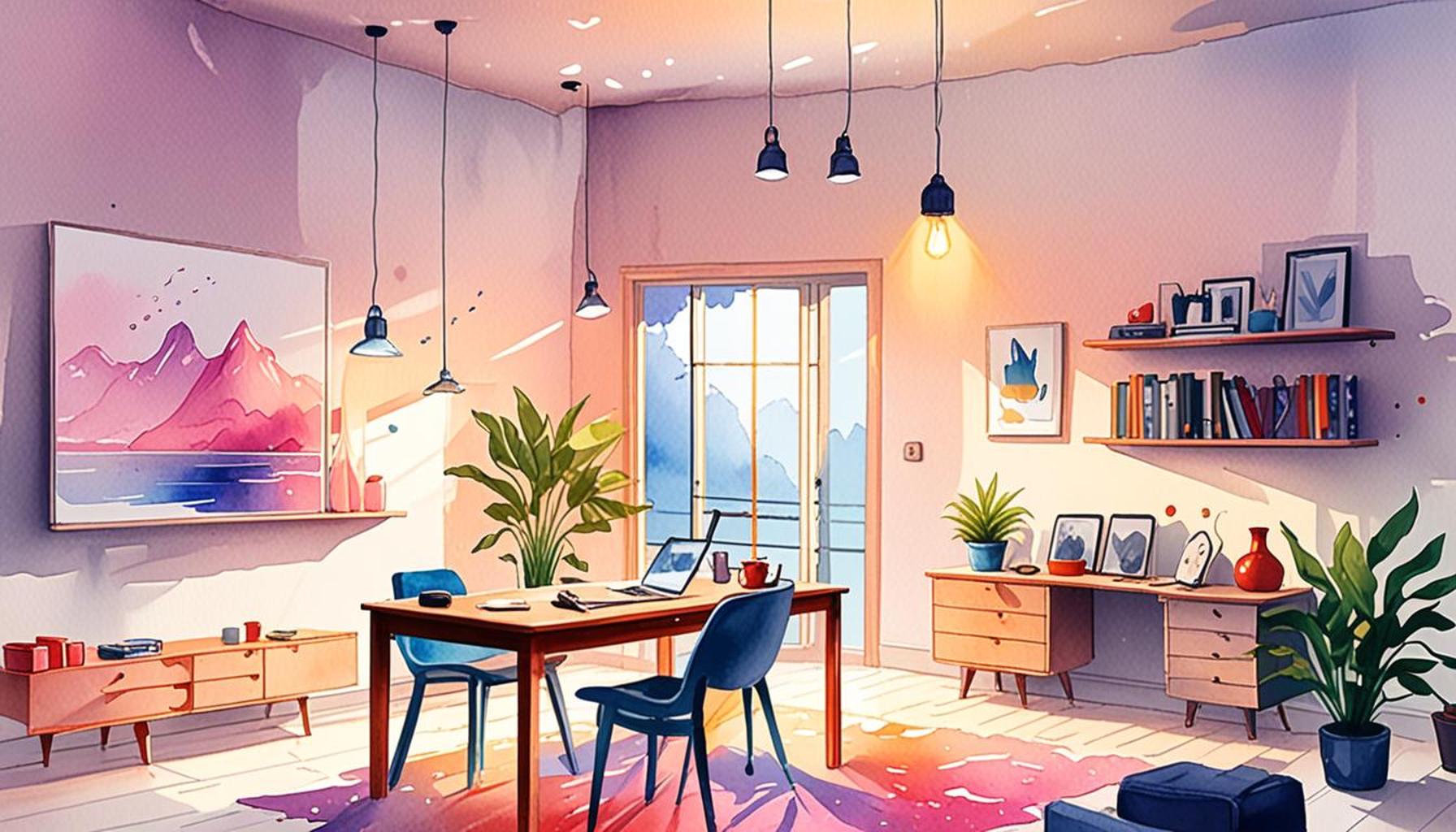
Choosing the right fixtures is paramount in minimalist environments, as these pieces can double as both practical lighting solutions and stunning focal points. Innovative lighting fixtures often characterize minimalist design through their sleek lines and unembellished forms, thereby adding an artistic touch without overshadowing the simplicity inherent in minimalism. Consider using suspended geometric pendant lights or wall sconces that mimic natural shapes to enhance the overall design.
These fixtures, when integrated thoughtfully, can serve as conversation starters while providing functional lighting across various zones of a minimalist space. A beautiful sculptural light fixture can lead the eye and draw attention to a room’s architectural features, striking a balance between artistry and practicality. The right selection can instantly elevate a room, promoting a sense of serenity while encouraging efficiency in its use of space.
In conclusion, as we delve deeper into the interplay between lighting and minimalist design, it is evident that the synergy of natural light, task lighting, accent features, color temperature choices, smart technology, and innovative fixtures creates a cohesive environment. This thoughtful integration fosters optimal functionality and enhances the overall minimalist vision aimed at simplicity and utility.
DISCOVER MORE: Click here for mindfulness tips
Bringing It All Together: The Essential Role of Lighting in Minimalist Design
In summary, the impact of lighting in shaping functional and efficient minimalist environments cannot be overstated. As we explored, it goes beyond mere illumination; lighting serves as a vital element in enhancing mood, optimizing functionality, and underscoring the simplicity that defines minimalist decor. By being discerning about choices like color temperatures, smart technology, and innovative fixtures, homeowners and designers can forge a harmonious balance that elevates aesthetic appeal while maintaining practicality.
As the modern world continues to embrace sustainability and minimalism, understanding the nuances of lighting will become even more crucial. The right lighting can transform any space, guiding individuals through their daily routines and enriching their experiences. From energizing workspaces to tranquil retreats, light enhances every aspect of our lives. Therefore, investing time in the selection and arrangement of lighting within minimalist environments becomes an essential task.
As you embark on your journey to create or enhance your own minimalist spaces, let the principles of functional lighting and efficient use of space guide your decisions. By doing so, not only will you create visually stunning areas, but you will also foster environments that promote well-being, productivity, and a sense of peace. The exploration of lighting is far from over; it is a continuous evolution that invites individuals to innovate and adapt to their needs. Embrace it, and allow your spaces to glow with life and purpose.