The Importance of Spatial Efficiency in Reducing Anxiety and Stress in Minimalist Environments

Understanding the Role of Space in Mental Wellness
In today’s fast-paced world, the design of our surroundings plays a crucial role in shaping our mental well-being. Spatial efficiency in minimalist environments offers a sanctuary for those overwhelmed by life’s demands. By simplifying our surroundings, we can significantly reduce feelings of anxiety and stress.
The benefits of minimalist spaces extend far beyond mere aesthetics. These environments are characterized by their functional design, which intentionally prioritizes elements that foster a sense of calm and order. Key features of minimalist environments contribute to improved mental health include:
- Open floor plans that promote movement and interaction, allowing for a free flow of energy and ideas. Research shows that spaces designed without barriers can enhance communication and collaboration, making them ideal for both home and work settings.
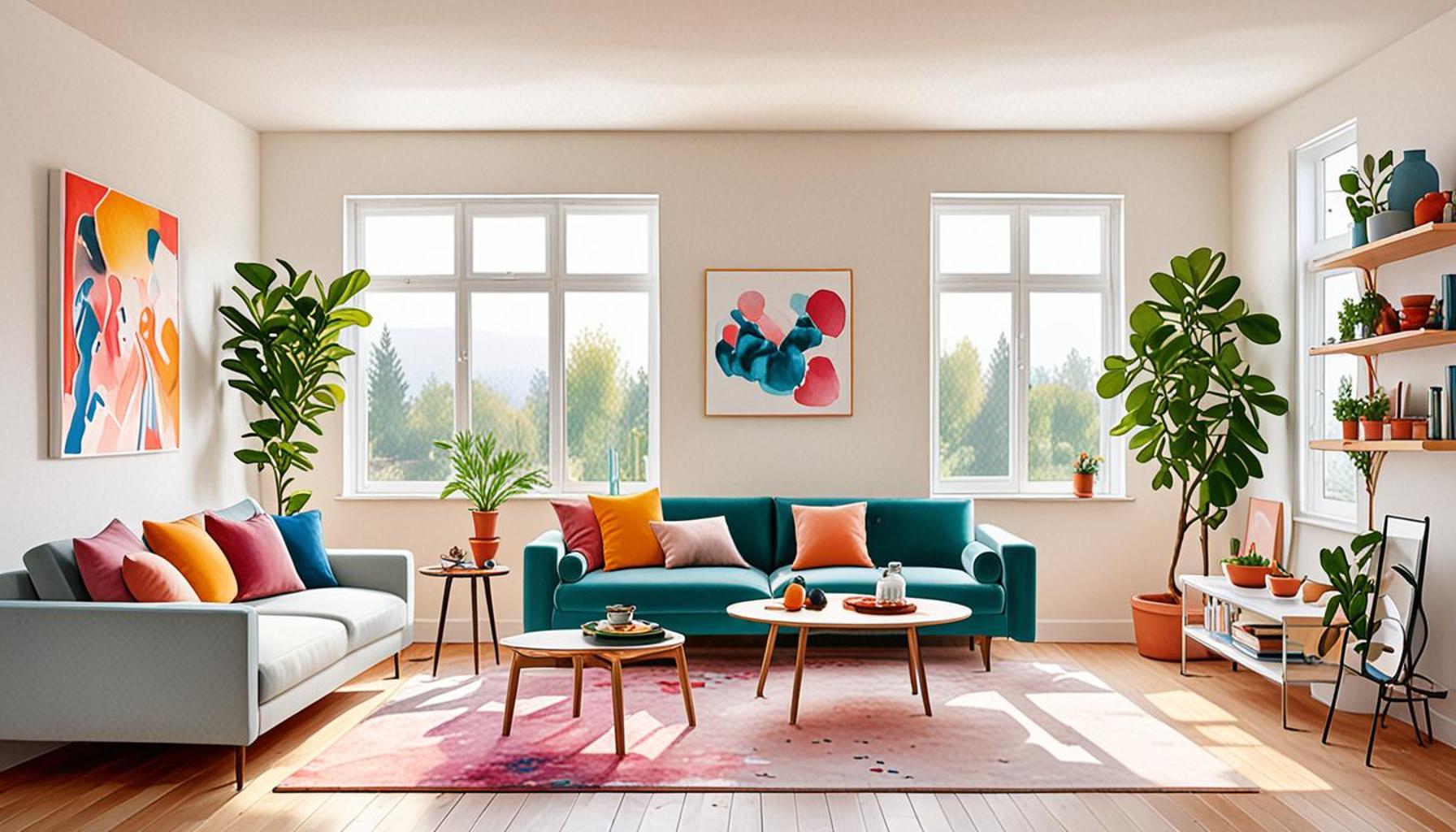
- Natural light flooding in through large windows or skylights enhances mood and energy levels. Studies indicate that exposure to natural light boosts serotonin production, contributing to feelings of happiness and contentment.
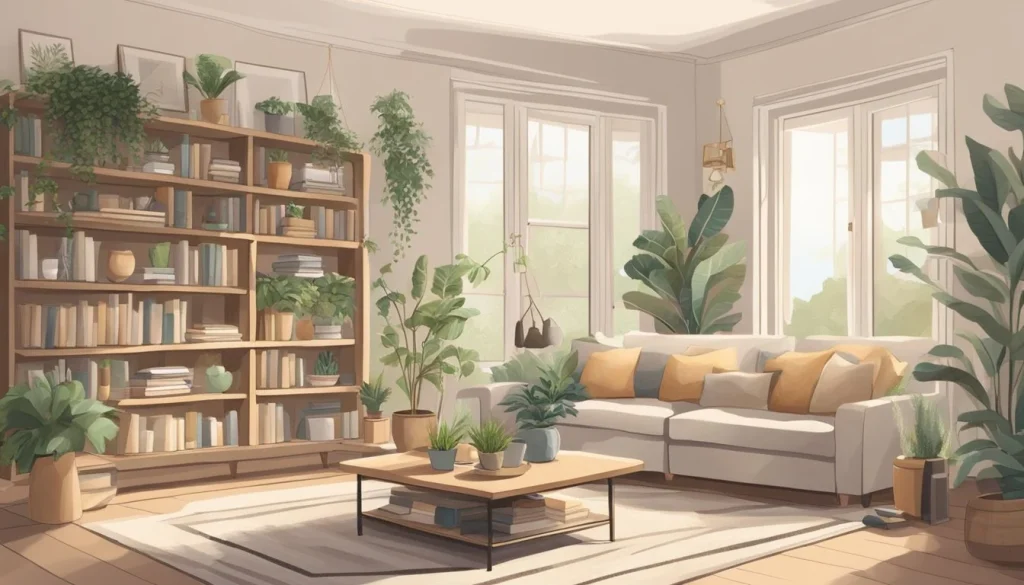
- Decluttered spaces that minimize distractions are essential for fostering focus and concentration. A well-organized environment not only promotes productivity but also serves to ease the mind, reducing the chaos that can lead to anxiety.
The impact of our surroundings on our mental health is profound. Research indicates:
- Clutter can lead to increased anxiety and stress levels. In a survey conducted by the National Institute of Mental Health, over 75% of respondents reported feeling more stressed in chaotic environments.
- Well-organized environments encourage relaxation and creative thinking. Spaces that prioritize order can stimulate the mind, leading to more innovative ideas and solutions.
- Minimalist designs can help streamline tasks and improve productivity. For instance, a home office designed with minimal distractions allows for a more focused work session, increasing efficiency.
As more individuals seek refuge from chaotic lifestyles, understanding the importance of spatial efficiency becomes essential. Data from interior design experts suggest that minimalist approaches not only cultivate tranquility but also drive efficiency in everyday tasks. For example, kitchen designs with less clutter can reduce meal preparation times significantly.
This exploration will delve into how minimizing excess can enhance our mental and emotional health. Join us as we uncover the transformative effects of designing with intention. By reevaluating our spaces and embracing simplicity, we can create environments that not only reflect our personal style but also support our psychological well-being.
DIVE DEEPER: Click here to discover practical strategies
Creating Harmony through Spatial Design
The essence of spatial efficiency in minimalist environments lies in the marriage of functionality and simplicity. By thoughtfully organizing space, we lay the groundwork for fostering a mental atmosphere that cultivates peace, clarity, and relaxation. Every element in a room should serve a purpose, seamlessly allowing us to navigate our daily lives without excess conscious effort or distraction. This intentional design approach reduces mental clutter, echoing the principles of minimalism, which has garnered popularity in recent years as a remedy for the rampant stress of modern living.
One significant way spatial efficiency contributes to reducing anxiety and stress is through the creation of multipurpose spaces. These areas emphasize functionality while maintaining an uncluttered appearance, providing the versatility needed for varied activities. Whether it’s a living room that doubles as a workspace or a kitchen designed for both cooking and social gatherings, such environments facilitate smoother transitions between different daily tasks. The fluidity tends to calm the mind, ultimately leading to better emotional regulation and enhanced productivity.
Consider the impact of color and material choices within minimalist designs, which also play a pivotal role in nurturing mental wellness. Soft, neutral color palettes are characteristic of minimalist environments, evoking a sense of tranquility and balance. Shades of whites, soft greys, and beiges can help to create an inviting and serene atmosphere, reducing sensory overload. Furthermore, the strategic use of natural materials such as wood and stone not only enhances aesthetics but also helps in establishing a connection to nature. This innate tie to the natural world has been shown to promote feelings of relaxation, often lowering cortisol levels—the primary stress hormone.
Importantly, incorporating green spaces within interiors, even in small doses, can further amplify the benefits of spatial efficiency in relation to mental health. Research demonstrates that indoor plants can reduce stress levels and enhance mood, contributing to a more lively and balanced environment. Simple additions of greenery in a minimalist home or workplace can create that essential connection to nature, while also purifying indoor air—a twofold advantage for promoting mental wellness.
Another fascinating aspect of minimalist environments is their ability to encourage mindfulness. By eliminating unnecessary distractions, these thoughtfully designed spaces invite reflection and present-moment awareness. Engaging fully with our surroundings can help to enhance focus and diminish feelings of anxiety that often stem from overwhelming stimuli. Here are some key benefits of fostering mindfulness through spatial efficiency:
- Improved concentration: With fewer visual distractions, the mind can more effectively channel its energy toward a single task, enhancing productivity.
- Enhanced relaxation: Spaces that promote calmness allow for deeper breathing and mental relaxation, creating an essential buffer against stress.
- Increased creativity: By providing a clean slate, minimalist environments can spark inspiration, encouraging innovative solutions and ideas.
In essence, the design and arrangement of our surroundings significantly influence mental wellness. By embracing spatial efficiency, we not only create a conducive atmosphere for reducing anxiety and stress but also enhance the overall quality of our lives. As we delve deeper into the subject, it becomes clear that every aspect of our space can either support or hinder our mental health, affirming the value of intentional and mindful design.
The Impact of Minimalism on Mental Well-Being
Minimalist environments, characterized by their spatial efficiency and uncluttered design, play a crucial role in reducing anxiety and stress levels. The intentional design of these spaces minimizes distractions, allowing individuals to focus on the essentials. This configuration not only enhances productivity but also promotes a sense of calm. Studies have indicated that clutter can have a profound negative impact on mental health, increasing feelings of overwhelm and anxiety. In contrast, minimalist spaces create a tranquil atmosphere that encourages mindfulness and reflection.When people surround themselves with fewer possessions, they often experience a psychological shift; instead of being tied down by material clutter, they feel liberated. This liberation brings about a greater appreciation for both their physical space and their mental state. Moreover, minimalist environments can lead to more meaningful interactions, as individuals are not distracted by excessive decor or items, fostering deeper connections with others.To further explore how spatial efficiency affects well-being, consider how the flow of space impacts individuals. An open layout encourages movement and interaction, which can enhance emotional health and well-being. This ties directly to the idea of spatial efficiency, where every element of a design serves a purpose, reduces stressors, and maximizes comfort.
Practical Applications of Minimalist Design
Adopting minimalist principles in everyday environments is an effective technique for fostering a calming atmosphere. Implementing strategies such as using neutral color palettes, incorporating multifunctional furniture, and maximizing natural light can significantly contribute to an individual’s mental well-being. These elements not only enhance spatial efficiency but also create a soothing environment that encourages relaxation.Consider the different settings where minimalism can be applied. From home offices designed for focus and productivity to living spaces that evoke tranquility, each aspect plays a vital role in shaping a person’s experience. Engaging with minimalist designs is not merely about aesthetics; it’s an approach that prioritizes mental clarity and emotional balance.By embracing spatial efficiency, individuals can take significant steps towards reducing anxiety and stress in their lives. This focus has the potential to transform environments into sanctuaries that support well-being, giving rise to a newfound appreciation for simplicity and purpose in our living spaces.
| Category | Description |
|---|---|
| Enhanced Focus | Minimized clutter reduces distractions, allowing for better concentration and productivity. |
| Emotional Well-Being | A serene environment fosters calmness, leading to lower anxiety and improved overall mental health. |
DISCOVER MORE: Click here to uncover practical tips
Leveraging Technology for Spatial Efficiency
In an era where technology seamlessly weaves itself into the fabric of daily life, incorporating smart home devices into minimalist environments presents a unique opportunity to enhance spatial efficiency. From automated lighting and climate control to virtual assistants that streamline tasks, technology can significantly reduce the physical and mental burdens associated with managing a household or workspace. For instance, programmable lighting can create the perfect ambience for relaxation or productivity at the touch of a button, ensuring that we can adjust our environments to suit our emotional needs without added clutter.
The rise of multifunctional furniture presents another compelling avenue in the quest for minimalism. Think of sofas that convert into beds or coffee tables that double as storage solutions—these items exemplify spatial efficiency while minimizing physical and mental clutter. Studies indicate that environments filled with multifunctional furniture are more conducive to relaxation, as they simplify our interactions and facilitate seamless transitions between daily activities. By allowing us to maximize utility from fewer items, we can create spaces that resonate with the minimalist ethos, reducing the anxiety that arises from overwhelming choices and physical clutter.
Another critical aspect to consider is the psychological benefits of organization within these spaces. Research has shown that effectively organizing our possessions can significantly impact our mental state. When items are stored in designated areas and easily accessible, individuals can enjoy a sense of control over their environment. This control diminishes feelings of chaos often associated with cluttered spaces. The mental shift that occurs when one can confidently locate items in a well-organized environment further reduces stress and anxiety, indicating the profound impact design and organization have on psychological wellbeing.
Furthermore, the principles of universal design—which emphasizes accessibility and inclusivity—can be a game-changer in minimalist settings. Implementing these principles not only caters to a diverse range of physical needs but also enhances the overall user experience. By designing spaces that everyone can navigate with ease, stress can be alleviated for those who may otherwise struggle with mobility or accessibility issues. This inclusivity promotes an atmosphere of equality and shared comfort, essential components for reducing anxiety in communal spaces, such as offices or family homes.
It’s also worth noting that maintaining a minimalist environment requires ongoing commitment and mindfulness—traits that can be nurtured through the establishment of routines. Creating a daily practice of decluttering and organizing can serve as a therapeutic ritual, offering individuals a sense of accomplishment and control. This daily engagement with one’s environment fosters a more profound appreciation for simplicity and utility, reinforcing the connection between spatial efficiency and reduced anxiety.
Finally, community and social interaction play a pivotal role in mental wellness. Minimalist environments promote a sense of togetherness through open, collaborative spaces that encourage gatherings. Encouraging connections with friends and family in shared spaces can help to alleviate feelings of isolation and anxiety. The ability to engage in meaningful interactions within a carefully curated, efficient environment can reinforce a sense of belonging, a critical factor in mental health.
In exploring the multifaceted impacts of spatial efficiency on anxiety and stress within minimalist designs, it becomes increasingly clear that these environments do more than provide aesthetic beauty—they serve as vital tools in nurturing mental wellness and improving quality of life.
DISCOVER MORE: Click here for insights on spatial efficiency
Conclusion
Ultimately, the exploration of spatial efficiency in minimalist environments reveals a profound connection between our physical surroundings and mental health. By focusing on simplicity, organization, and multifunctionality, we can cultivate spaces that not only resonate with aesthetic appeal but also foster psychological wellbeing. The integration of technology, such as smart devices and multifunctional furniture, plays a crucial role in this transformation, allowing us to streamline daily tasks while minimizing potential stressors.
Moreover, prioritizing accessibility through universal design principles ensures that everyone—regardless of ability—can navigate and enjoy these spaces, thereby promoting inclusivity and reducing anxiety. The act of organizing and maintaining a minimalist environment serves as an ongoing practice that enhances our sense of control and reduces feelings of chaos, further underscoring the importance of mindful living.
Importantly, the emotional benefits derived from shared spaces and community interactions should not be overlooked. The collaborative nature of minimalist environments fosters connections that combat feelings of isolation, thereby enriching our social fabric and supporting mental health.
In essence, embracing spatial efficiency within minimalist designs is not merely about creating uncluttered spaces; it is about nurturing a lifestyle that prioritizes mental wellness. As we continue to acknowledge the intricate ties between our environment and our emotional state, we open ourselves to exploring new possibilities for design that promote tranquility and balance, ultimately enhancing our quality of life.