Integrating Spatial Efficiency into Daily Routines: A Practical Guide for Minimalists

The Importance of Spatial Efficiency
In an era where urban living is becoming ever more prevalent, the need for effective space management has never been greater. The concept of spatial efficiency revolves around the idea that we can optimize our environments—be it homes, offices, or communal spaces—to maximize both functionality and comfort. This approach not only minimizes clutter but also paves the way for enhanced productivity and mental well-being.
Understanding Decluttering
One of the most fundamental steps towards achieving spatial efficiency is decluttering. This involves more than just tidying up; it is about making conscious choices regarding the items we surround ourselves with. For instance, setting aside a few moments each month to assess personal belongings can yield surprising insights. The Marie Kondo method, which involves keeping only those items that “spark joy,” has gained popularity as a useful approach to decluttering. Whether it’s donating old clothes or recycling outdated technology, this practice helps create a sense of peace in our living spaces.
Creating Multi-functional Spaces
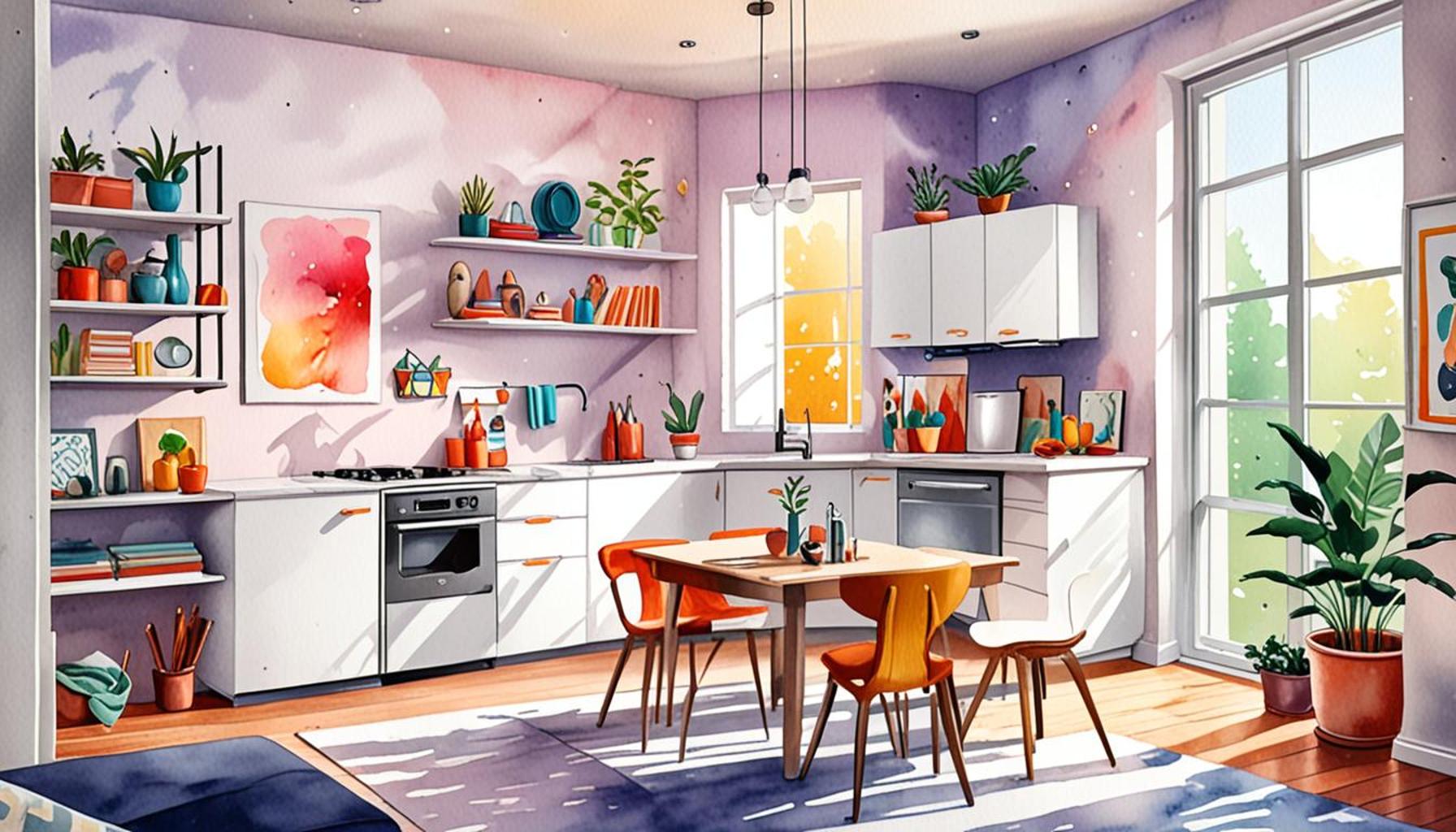
Another effective strategy is to design multi-functional spaces. In the typical American home, dining rooms often go unused except for family gatherings or special occasions. By transforming such spaces into versatile environments, like incorporating a dining table that doubles as a workspace, we can maximize utility without sacrificing aesthetics. For example, consider a foldable table that tucks away when not needed or a kitchen nook that allows easy transitions from meal preparation to creative endeavors like arts and crafts.
The Benefits of Vertical Storage
Additionally, the utilization of vertical storage can play a crucial role in effective space management. By taking advantage of wall space—think shelves, hooks, and pegboards—we can free up valuable floor area. This technique is especially beneficial in smaller apartments or homes where every square foot counts. A simple install of floating shelves can transform a cluttered room into a chic display space while keeping essential items within reach. The added benefit is that it gives a clear visual order to the room, fostering a sense of calm.
The Transformative Power of Spatial Efficiency
By integrating these principles into our everyday lives, we not only organize our environments but also enhance our mental clarity and focus. Spatial efficiency encourages mindfulness, urging us to prioritize what truly matters. As we navigate through increasingly busy schedules, making small adjustments, like those mentioned, can result in significant changes. With less clutter and improved organization, we cultivate spaces that inspire creativity and productivity.
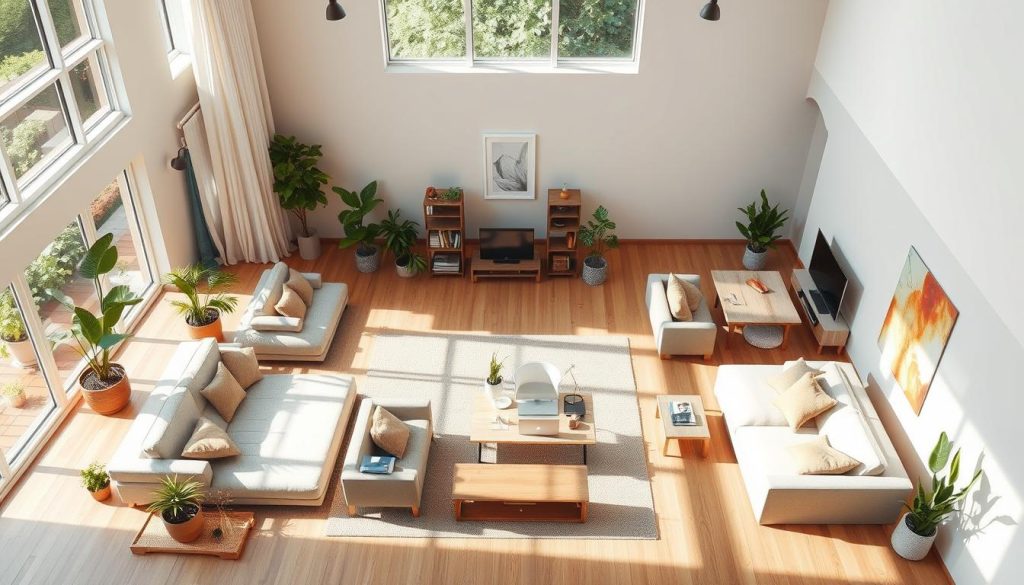
This guide serves as an introduction to actionable strategies for achieving spatial efficiency. Embracing minimalism is not just about having less; it’s about creating a lifestyle that allows for greater freedom, both mentally and physically. Whether you start with decluttering or reimagining your living spaces, the journey towards a more organized life is just a decision away.
DISCOVER MORE: Click here to delve deeper
Practical Strategies for Daily Integration
As we embark on the journey to enhance spatial efficiency in our daily routines, it becomes essential to adopt strategies that seamlessly integrate into our lifestyles. These strategies empower individuals seeking to minimize clutter while maximizing the utility of their living spaces. Here, we delve into practical methods for achieving this integration, ensuring that every decision contributes to a more organized and tranquil environment.
Establishing Daily Routines
One effective approach to promote spatial efficiency is to establish clear daily routines that include decluttering as a normative practice. For instance, setting a timer for just 15 minutes each day for tidying up specific areas within your home can yield significant results over time. This daily ritual prevents clutter from accumulating and creates a habit of mindfulness regarding your belongings. Aim to incorporate these routines into transitional times in your day—such as after breakfast or before bed—to ensure they become a natural part of your schedule.
Incorporating the “One In, One Out” Rule
Understanding the balance of possessions is another vital component of maintaining spatial efficiency. The “one in, one out” rule asserts that for every new item brought into your home, an old item should be removed. This approach helps to prevent accumulation and urges thoughtful consumption. Here are some practical examples to incorporate this rule:
- When purchasing new clothing, dispose of an equivalent piece that you no longer wear.
- If you buy a new gadget, consider recycling or donating an older one.
- As you acquire new books, think about donating titles you no longer plan to read.
By adhering to this principle, you will ensure that your living space remains uncluttered while still allowing for fresh additions.
Digital Decluttering
In a digital age where our lives are increasingly intertwined with technology, digital decluttering should not be overlooked. Regularly assessing your digital environment—files, downloads, and even emails—can free up mental space. Create folders that simplify organization and designate time to delete unnecessary files. Additionally, unsubscribing from newsletters or feeds that do not provide value can significantly enhance your digital experience. This practice not only contributes to spatial efficiency but also diminishes distractions, allowing for greater focus on important tasks.
Utilizing Checklists and Planning Tools
Another practical tip is to employ checklists and planning tools to streamline decision-making and enhance organizing efforts. By writing down tasks according to daily, weekly, and monthly need, individuals can keep their spaces free from clutter while handling responsibilities more efficiently. Using tools like planners or digital apps provides visibility on what needs to be done and helps track progress, ensuring that spatial efficiency remains a continuous goal rather than a fleeting aspiration.
Integrating these methods into daily life not only contributes to improved space management but also cultivates a mindset of intentionality and mindfulness. By embedding practices like daily routines, the “one in, one out” policy, digital decluttering, and the use of checklists, individuals can experience the transformative effects of spatial efficiency in every aspect of their lives. As we continue exploring further strategies, it becomes clear that minor adjustments can lead to powerful outcomes, allowing minimalists to thrive in beautifully organized environments.
| Category | Details |
|---|---|
| Living Spaces | Maximization of usable area to enhance comfort and accessibility. |
| Daily Habits | Streamlined routines lead to reduced time spent on organizing and cleaning. |
Integrating spatial efficiency into daily routines is an essential theme in the world of minimalism, addressing the need for a more intentional way of living. For instance, by adopting multifunctional furniture, individuals can create a seamless flow within their living spaces. This approach minimizes clutter and promotes a sense of tranquility, allowing for more focus on activities that bring joy and fulfillment. Additionally, the concept of decluttering becomes a natural part of one’s lifestyle. Establishing simple systems for categorizing and storing belongings not only enhances physical space but also cultivates a positive mental state. The benefits of this practice are profound; as one embraces minimalism, they often experience increased productivity, a clearer mind, and a deeper appreciation for the essentials in life. By making small adjustments in how we interact with our surroundings, we can foster a richer, more harmonious environment. It’s about more than just aesthetics; it’s about creating a space that truly supports our values and enriches our everyday experiences. Embrace the journey of spatial efficiency, and unveil the powerful impact it can have on enhancing your quality of life.
DIVE DEEPER: Click here to learn how to master the art of saying no
Maximizing Space through Smart Organization
In the quest for spatial efficiency, the way we organize our physical space plays a pivotal role. By adopting smart organizational methods, minimalists can create environments that not only look clean but also enhance productivity and well-being. Below are transformative strategies that can help maximize space while retaining essential items.
Creating Functional Zones
One powerful tactic to improve spatial efficiency is to establish functional zones within your home. This method designates specific areas for certain tasks, cultivating a sense of order and clarity. For instance, in a small living area, you might turn a corner into a workspace, while another section could serve as a cozy reading nook. To achieve this, consider the following:
- Identify areas of your home that can be repurposed; the kitchen table can double as a work desk during the day.
- Use multifunctional furniture, such as a couch that converts into a guest bed or storage ottomans, to maximize utility.
- Create visual boundaries with rugs or shelving to delineate spaces without physical barriers.
By clearly defining these zones, you encourage a more focused and organized environment where each area serves an intentional purpose, thus enhancing overall spatial efficiency.
Adopting Modular Storage Solutions
Investing in modular storage solutions is another key strategy for integrating spatial efficiency into daily routines. These adaptable systems allow you to customize and reconfigure your storage based on changing needs. Consider using cube organizers, stacking shelves, or wall-mounted solutions that can evolve as your lifestyle changes. The benefits include:
- Flexibility: Adjust your configuration as your collection of items grows or diminishes.
- Optimized vertical space: Make use of walls by going upwards rather than spreading out horizontally.
- Accessibility: Keep frequently used items within easy reach, while stowing less essential belongings in higher or less accessible spots.
This approach not only creates more room but often adds an element of aesthetic appeal to your space, making it feel open and inviting, rather than crowded and chaotic.
Implementing Smart Labels
Labeling is a simple yet effective strategy for enhancing organization and fostering spatial efficiency. Using labels ensures you know exactly where to find items and where to return them after use. For an organized approach to labeling, consider the following tips:
- Label storage bins, drawers, and boxes to quickly identify contents and eliminate guesswork.
- Incorporate color-coding systems that distinguish between categories, making it even easier to locate what you need.
- Incorporate digital labeling for electronic devices or files, allowing you to maintain order in both physical and digital spaces.
As you make the effort to label, you create greater awareness concerning your items and their designated places, thereby reinforcing a consistent habit of returning items to their proper locations.
Embracing Minimalist Mindsets
Finally, adopting a minimalist mindset is crucial for sustaining spatial efficiency in the long run. Beyond physical changes, this mindset cultivates resilience against the temptation to accumulate more. To nurture this perspective:
- Reflect on your values and prioritize items that genuinely add value or joy to your life.
- Ask yourself whether each new item aligns with your lifestyle goals before making a purchase.
- Practice gratitude for the possessions you already have, which diminishes the craving for more.
This intrinsic motivation to declutter and simplify will serve as a guiding principle as you navigate your space, empowering you to make intentional choices that support your minimalist goals.
By employing these strategies—creating functional zones, adopting modular storage, smart labeling, and embracing a minimalist mindset—you can significantly enhance your daily routines, leading to a more organized and purposeful living environment. Such modifications not only yield tangible improvements in spatial efficiency but also promote a lifestyle that emphasizes simplicity and intention.
DISCOVER MORE: Click here to enhance your focus
Conclusion: Embracing a New Era of Spatial Efficiency
Integrating spatial efficiency into daily routines is not merely about decluttering; it’s about reshaping our relationship with our spaces and the belongings we choose to surround ourselves with. By implementing the strategies discussed—such as establishing functional zones, utilizing modular storage solutions, applying smart labeling, and cultivating a minimalist mindset—individuals can foster an environment that not only enhances their productivity but also promotes mental clarity and emotional well-being.
The journey toward spatial efficiency encourages a reflective practice, compelling us to regularly evaluate the value we place on objects and the space they occupy. As urban living spaces continue to shrink, and the call for conscious consumption grows, adopting a minimalist approach becomes increasingly relevant. It empowers individuals to regain control over their environment, and in turn, over their lives.
Moreover, minimalism offers a way to reconnect with what truly matters. It invites us to prioritize experiences over possessions and encourages the notion that less can indeed be more. By fostering a culture of intentionality, we not only create physical spaces that are easier to navigate but also enrich our mental landscapes, leading to a more fulfilling and sustainable lifestyle.
As you embark on your journey toward enhancing spatial efficiency, remember that it’s a continual process. Engage with your surroundings, adapt strategies as needed, and let the principles of minimalism guide you to a clearer and more harmonious existence. The rewards are more than practical—embracing this lifestyle can lead to profound changes in how you experience your everyday life.