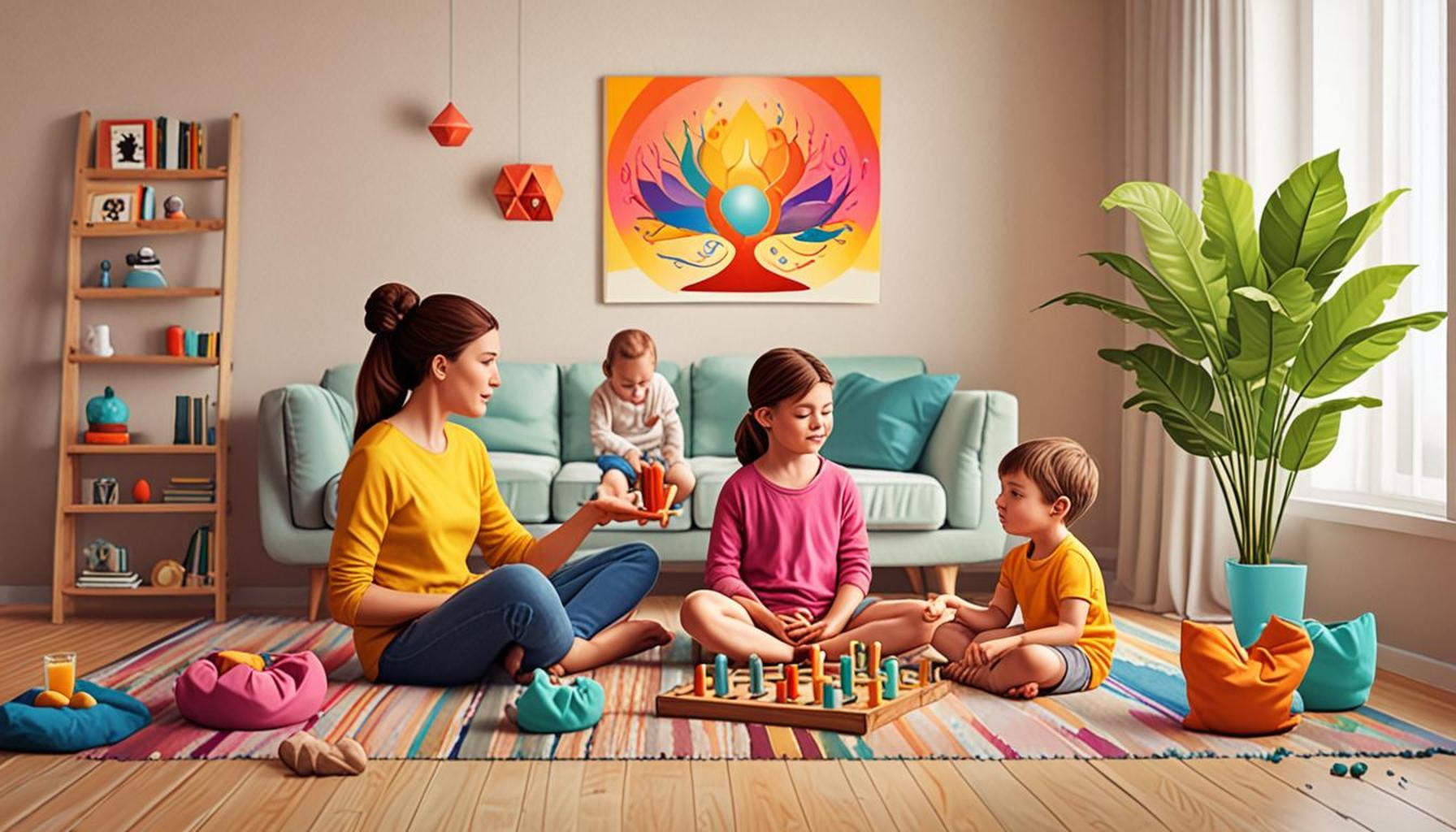
The Relationship between Mindfulness and the Reduction of Object Accumulation: Practices for a Minimalist Home

The Impact of Mindfulness on Clutter Management
In our increasingly materialistic society, homes are often filled to the brim with items acquired through both necessity and impulse. Amid this chaotic accumulation, the practice of mindfulness stands as a beacon of hope, guiding us towards more peaceful and less cluttered living spaces. By fostering awareness and intentional decision-making, mindfulness can radically transform not only our homes but also our overall mental well-being.
Present-Moment Awareness
One of the primary tenets of mindfulness is present-moment awareness. This concept requires individuals to ground themselves in the here and now, making it easier to assess whether the belongings surrounding them still serve a purpose or provide joy. For instance, during a clutter-clearing session, instead of succumbing to nostalgia or anxiety about parting with items, mindfulness encourages individuals to ask critical questions: “Do I truly need this?” or “Does this item bring me joy?” By reframing our relationship with our possessions, we can make more informed decisions about what to keep and what to let go.
Intentionality in Purchases
Mindfulness promotes intentionality in our purchases. Before acquiring anything new, we can pause and reflect on its necessity in our lives. This is particularly significant in a consumer-driven culture where advertisements and sales can easily sway decisions. For example, the practice of waiting 30 days before making a new purchase helps ensure that we are not acting on impulse. This period can clarify whether an item is a fleeting desire or a genuine necessity, reducing the likelihood of unnecessary accumulation in our homes.
Understanding Emotional Attachment
Another vital aspect of mindfulness is recognizing our emotional attachment to certain objects. Many people struggle to part with heirlooms or gifts due to their sentimental value, even if they no longer serve a practical purpose. Mindfulness encourages deeper reflection: can the memory associated with the item be cherished without the physical object? Perhaps photographs or written memories can fulfill the emotional need, allowing individuals to declutter their living spaces while still honoring the past. Understanding and processing these attachments can significantly ease the decluttering process.
Practical Mindfulness Practices for Minimalism
To effectively integrate mindfulness into clutter management, consider adopting practices such as meditation, journaling, or mindful spending exercises. Engaging in meditation can cultivate a sense of calm and clarity, making it easier to approach the sometimes daunting task of decluttering. Journaling about your items can also facilitate recognition of the emotions tied to them. Additionally, setting clear goals for both your living space and emotional health can allow you to track your progress and maintain a mindful lifestyle.
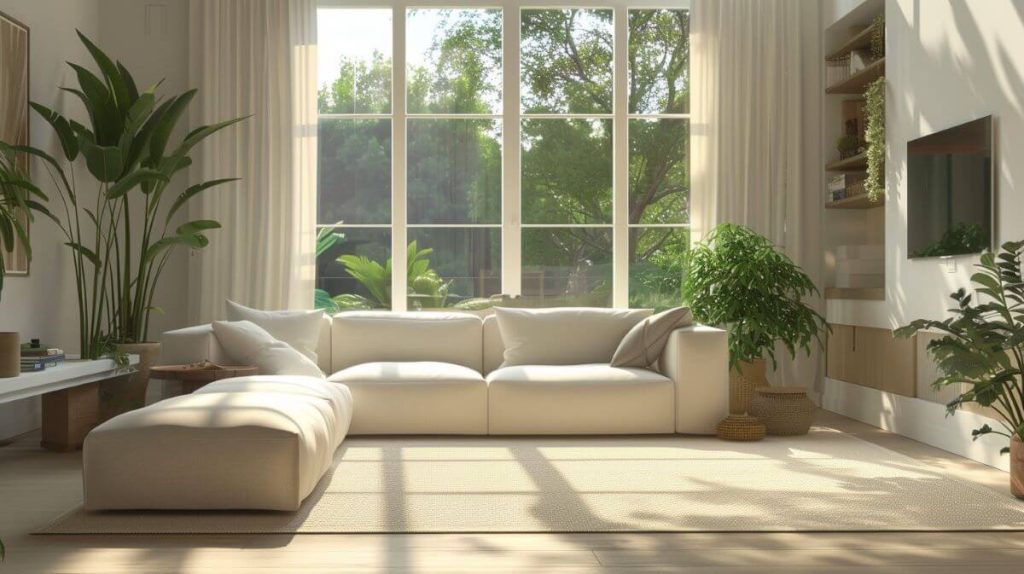
With these mindfulness strategies at our disposal, we can reshape our homes into serene retreats, free from distracting clutter. As we adopt practices that promote present-moment awareness, intentionality, and emotional understanding, we pave the way for a minimalist lifestyle marked by peace, clarity, and joy. By encouraging a deeper connection with our belongings, we enable ourselves to embrace not just simpler living spaces but also richer, more fulfilled lives.
DIVE DEEPER: Click here to discover the power of simplicity
Establishing Mindful Clutter Reduction Techniques
The journey towards a minimalist home begins with recognizing the intricate relationship between mindfulness and clutter management. Understanding that our living spaces reflect our psychological state is crucial. When we embrace mindfulness, we become attuned to how our possessions affect our mental clarity and emotional well-being. Rather than viewing the act of decluttering as a chore, we can approach it as an opportunity for self-discovery and personal growth.
Mindful Decluttering Strategies
Implementing mindfulness during the decluttering process can lead to profound insights and lasting changes. Here are several strategies that can help:
- Set a Decluttering Intention: Before diving into your possessions, take a moment to establish a clear intention for the process. This could be creating a calmer living environment or reducing distractions. A defined purpose will guide your decisions and clarify your motivations.
- Engage in a Mindful Breathing Exercise: Start each decluttering session with a brief mindfulness practice, focusing on your breath. This helps center your thoughts and cultivates a state of calm, allowing you to approach your belongings with fresh eyes.
- One Category at a Time: Adopting a systematic approach can ease the heaviness associated with decluttering. Tackle one category, such as clothing or books, at a time. This method prevents overwhelm and allows for deeper engagement with each item.
- Conscious Sorting: As you review each item, consciously categorize them into three groups: keep, donate, or discard. Be mindful of what each category represents. Are you keeping items for the right reasons, or just out of habit?
Reflecting on Needs Versus Wants
A critical component of mindfulness is distinguishing between needs and wants. In the current consumer culture, individuals often conflate the two, leading to unnecessary accumulation of items that do not provide authentic value in their lives. Practicing mindfulness encourages individuals to assess their true requirements, fostering a mindset of gratitude for what they already possess. For example, when cleaning out a closet, instead of feeling remorse for a once-loved piece of clothing, reflect on how each item has served you and whether it aligns with your current lifestyle.
Creating a Mindful Environment
Transforming your space alone can create a ripple effect throughout your life. By adopting a mindful approach to your home environment, you evoke a sense of calm and peace. This can include implementing organizational systems that promote ease and simplicity, such as clear bins or minimalist shelving. Furthermore, surrounding yourself with items that spark joy can also enhance your emotional connection to your space, reminding you of the importance of intentionality in both possessions and actions.
Ultimately, the relationship between mindfulness and the reduction of object accumulation is a transformative journey that begins within. By embracing the present moment, setting clear intentions, and reflecting on emotional attachments, we can cultivate homes that not only reflect our true selves but also foster serenity and clarity.
| Mindfulness Practice | Impact on Object Accumulation |
|---|---|
| Meditation | Enhances awareness of emotional triggers that lead to clutter accumulation. |
| Decluttering Sessions | Fosters a sense of peace as individuals learn to detach from non-essential possessions. |
| Mindful Shopping | Encourages thoughtful purchases, reducing impulse buying and future accumulation. |
| Gratitude Journaling | Promotes appreciation for what one already owns, diminishing the desire for excess. |
The practice of mindfulness serves as a powerful tool for reducing object accumulation within a home. Engaging in meditation, for instance, helps individuals develop an acute awareness of the deeper emotional triggers that often lead to clutter and excess. By recognizing these triggers, one can make more intentional choices about what to keep and what to let go of.Another effective practice involves decluttering sessions, which not only clear physical space but also foster a sense of tranquility and control. During these sessions, individuals can learn how to effectively detach from non-essential possessions, leading to a minimalist lifestyle that promotes well-being.An essential concept in this practice is mindful shopping. By fostering awareness during purchases, individuals can make more considered decisions that ultimately reduce the influx of new items into their homes. This strategy is complemented by gratitude journaling, a practice that enhances appreciation for current possessions and diminishes the desire for excess, creating a harmonious living environment. These mind-centered approaches demonstrate how mindfulness can significantly impact our relationship with materialism, leading to a more minimalist and fulfilling lifestyle.
DISCOVER MORE: Click here for effective workspace organization tips
Integrating Mindfulness into Daily Life for Lasting Change
Once the decluttering process is underway, the next step is to embed mindfulness into everyday routines, ensuring that the habits promoting a minimalist home are sustainable. This is essential in preventing the resurgence of object accumulation, often triggered by mindless consumption or neglect of emotional well-being. By adopting a lifestyle centered around mindfulness, individuals can cultivate habits that preserve the integrity of their decluttered spaces.
Mindful Consumption Practices
To truly reduce object accumulation, mindfulness must extend beyond the decluttering phase and into the consumption of new items. Practicing mindful consumption involves approaching purchases with intention and consideration. Here are some strategies to consider:
- Pause Before Purchase: Implement a waiting period before acquiring new items, allowing yourself time to reflect on whether the purchase is a necessity. This can help differentiate between impulse buys driven by emotion and legitimate needs.
- Assess Value and Purpose: Before bringing something new into your home, assess its value and purpose. Ask yourself how often you will use it and who it truly benefits. Does it enhance your well-being or simply take up space?
- Practice Gratitude: By actively practicing gratitude for your existing belongings, you create an emotional investment in what you already have. This mindset reduces the desire for more and encourages appreciation for life’s current blessings.
Establishing Mindful Routines
Daily routines offer opportunities to incorporate mindfulness into your living space. Small adjustments can significantly impact how we perceive and engage with our environment. Here are some ideas for integrating mindfulness into your daily life:
- Daily Mindfulness Moments: Take a few moments each day to pause, breathe, and scan your surroundings. This practice can help you identify areas that may require attention or decluttering, reinforcing a proactive approach to managing your space.
- Mindful Cleaning Rituals: Transform cleaning from a mundane chore into a meditative practice. As you tend to your space, focus on the motions, scents, and sounds, allowing yourself to become immersed in the moment.
- Limit Digital Clutter: The accumulation of digital items can be just as overwhelming as physical clutter. Regularly audit digital documents, emails, and applications, applying the same mindfulness techniques you use for physical items.
Community Support and Mindfulness
Engaging with others who prioritize mindfulness and minimalism can deepen your practice. Consider joining local mindfulness groups or online communities that share a similar ethos. Sharing experiences, challenges, and successes can offer both accountability and encouragement on your journey toward a minimalist home. Participating in workshops or classes focused on minimalist living or mindfulness can also provide valuable skills and inspiration.
Moreover, discussions about mindfulness within your social circle can set the tone for how you collectively approach consumption and accumulation. Leading by example can inspire friends and family to adopt mindful practices, reinforcing a lifestyle that appreciates simplicity and intentionality.
In summary, integrating mindfulness into daily life not only supports decluttering efforts but also promotes an ongoing commitment to maintaining a minimalist environment. Through mindful consumption, establishing supportive routines, and building community connections, individuals can cultivate an enduring relationship between mindfulness and object accumulation reduction.
DISCOVER MORE: Click here to enhance your productivity
Conclusion: Embracing Mindfulness for Lasting Minimalism
The relationship between mindfulness and the reduction of object accumulation is a transformative journey that many are embarking on in today’s fast-paced culture. By integrating mindfulness into our lives, we cultivate an awareness that not only enhances our emotional and mental well-being but also shapes our physical environment. The practices outlined—ranging from mindful consumption to establishing supportive routines—offer tangible steps toward creating a minimalist home that resonates with simplicity and intentionality.
As we consciously assess our purchases and dedicate moments to appreciate our existing belongings, we develop a profound connection with the things we choose to keep. This connection fosters a sense of gratitude that mitigates the urge to accumulate unnecessarily. Furthermore, engaging in community support can strengthen our commitment to mindfulness and minimalism, reinforcing our collective responsibility in resisting the overload of materialism.
Looking ahead, it is essential to recognize that this journey is not merely about decluttering our spaces but about transforming our mindsets. Mindfulness encourages us to be present and intentional in our choices regarding what we invite into our lives. As we strive for a minimalist lifestyle, we make way for a clearer perspective and a greater appreciation for our surroundings. Ultimately, embracing mindfulness serves as a powerful tool for shaping our environments and promoting a holistic sense of peace and fulfillment.