
Mindful Living in Families: How to Teach Children to Value the Essential and Practice Mindfulness
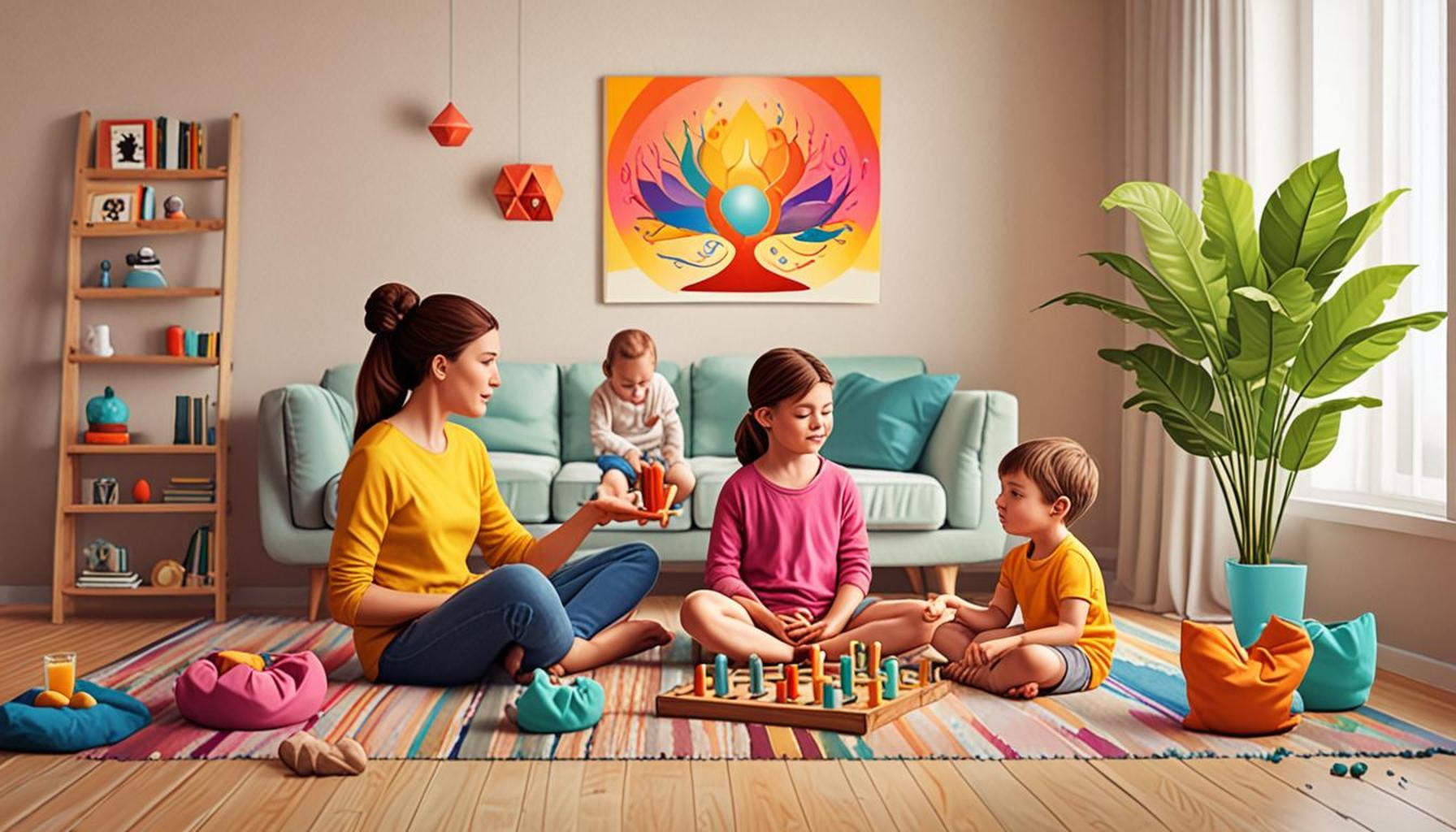
Mindful Living: A Path to Family Connection
In today’s fast-paced world, families often find themselves caught in a whirlwind of schedules, activities, and distractions. This hectic lifestyle can come at a significant cost, affecting not only individual well-being but also the cohesion of family units. Embracing mindful living has emerged as an effective antidote, offering families the tools needed to reconnect and instill a sense of peace within the home environment. Teaching children to value life’s essential elements allows them to engage in mindfulness practices that foster tranquility and deepened family connections.
Here are some compelling reasons to consider mindful living for families:
- Improved Emotional Health: Mindfulness equips children with the skills to manage their emotions effectively. By learning to recognize feelings as they arise, children can develop healthier coping mechanisms. For instance, when a child feels anxious about school, practicing mindful breathing can ground them, promoting self-soothing and emotional regulation.
- Enhanced Family Relationships: Families that practice mindfulness together can cultivate deeper emotional connections. Simple activities like engaging in a family yoga session or sharing moments of silence can create a profound sense of belonging and understanding, paving the way for open communication.
- Greater Focus: Mindfulness exercises help children sharpen their concentration, which is increasingly becoming a challenge in our distraction-heavy society. Activities like mindful storytelling can hold their attention while enhancing comprehension and creativity.
Integrating mindfulness into daily routines is more accessible than it may seem. Here are some practical ways that families can incorporate these valuable practices:
- Practice mindful breathing during family discussions. By taking a few deep breaths together before engaging in conversation, families can create a calm atmosphere that encourages attentive listening.
- Engage in gratitude exercises at the dinner table. Families can take turns sharing something they are thankful for each day, reinforcing a positive mindset and appreciation for one another.
- Set aside tech-free times to explore nature together. Whether it’s a weekend hike or an evening walk in the neighborhood, unplugging from devices helps families immerse themselves in the present moment, fostering meaningful interactions.
By instilling these habits early on, parents empower their children to prioritize essential aspects of life. Such a commitment to mindful living lays a robust foundation that not only nurtures emotional and interpersonal growth but also influences their future relationships with themselves and the world. Ultimately, the journey to mindfulness is a shared adventure that can enrich family life, bringing joy, connection, and serenity amidst life’s chaos.
DISCOVER MORE: Click here to learn more about mindful living techniques
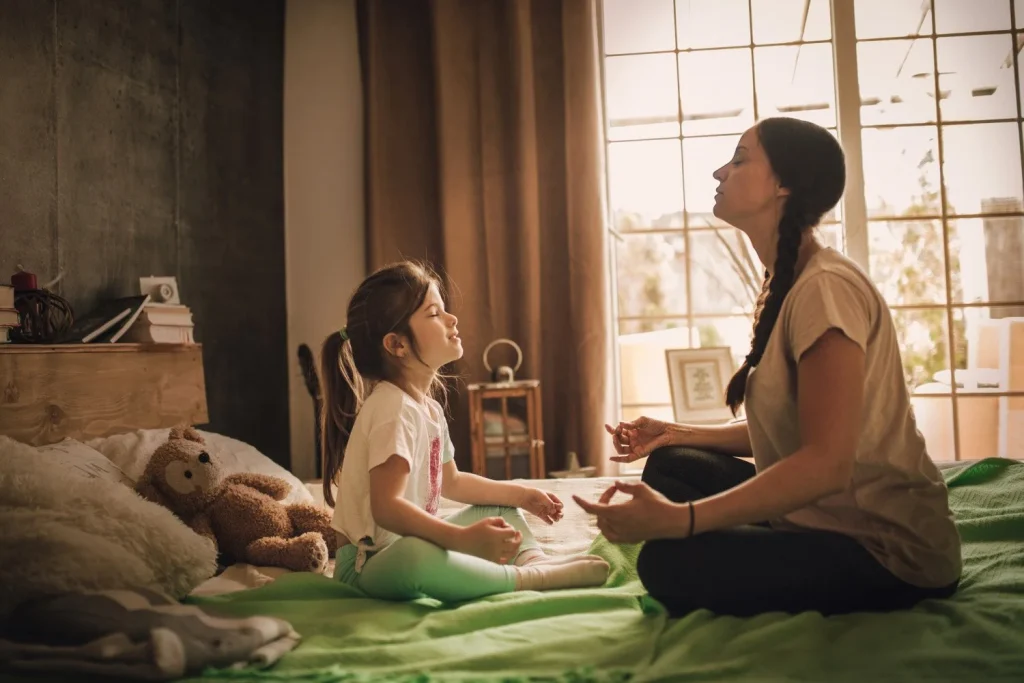
Practical Steps to Cultivate Mindfulness in Family Life
To integrate mindful living into the fabric of family life, it is important to start with small, manageable steps. These practices can help create a strong foundation not only for children but for the entire family unit. Here are a few strategies that can be seamlessly woven into daily routines, fostering an appreciation for the essential elements of life:
- Create a Mindfulness Ritual: Establishing a daily practice, no matter how brief, can set the tone for mindfulness in the home. This could be as simple as a morning check-in where each family member shares their intentions for the day, or an evening wind-down routine that includes quiet reflection or journaling.
- Mindful Meal Times: Meals provide an ideal opportunity for families to practice mindfulness together. Rather than rushing through meals or engaging with screens, families can slow down and savor their food. Encourage everyone to notice the textures, flavors, and aromas of their meals. This not only promotes gratitude for the nourishment but also enhances communication as family members share thoughts about their favorite dishes or recipes.
- Nature Connection: Spend time outdoors engaging with nature. Activities such as hiking, gardening, or even playing at a local park can be enriched by mindfulness practices. Teach children to take a moment to observe their surroundings – the colors of the leaves, the sounds of birds, or the feel of the wind. These moments in nature are not only calming but also reinforce the importance of being present.
- Guided Mindfulness Activities: Utilize accessible resources such as apps or online videos to practice guided meditation as a family. There are numerous programs designed specifically for kids, which can make the experience fun and engaging. Introducing children to techniques like visualization or body scans can lead to greater self-awareness and emotional control.
Research indicates that children who engage in mindfulness practices have improved emotional intelligence, leading to better social skills and academic performance. According to a study published in the Journal of Applied School Psychology, mindfulness-based interventions in schools resulted in higher levels of self-regulation and less impulsive behavior among children. By embedding mindfulness practices into family life, parents can give their children essential skills that are valuable for success both inside and outside the classroom.
Moreover, fostering an environment of mindfulness allows children to develop a sense of empathy, both towards themselves and others. By encouraging them to understand and articulate their feelings, families can cultivate a culture of validation and support, which is vital for children’s mental health. This shift not only enhances relationships within the family but also prepares children to navigate their interactions with peers and the broader community.
Ultimately, the journey towards mindful living is not a destination but a continuous practice that evolves with the family’s growth. By adopting these practices, families can cherish the essential moments of life, making each experience meaningful and enriching.
| Advantages of Mindfulness | How It Impacts Families |
|---|---|
| Enhanced Emotional Regulation | Children learn to manage emotions effectively, reducing tantrums and conflicts. |
| Increased Focus and Attention | Mindfulness practices foster better concentration, leading to improved academic performance. |
| Stronger Family Bonds | Shared mindfulness activities create deeper connections among family members. |
| Promotion of Gratitude | Encourages appreciation for the present moment, teaching children to value what they have. |
In a digitally saturated world, engaging children in mindfulness practices not only benefits their individual development but also creates a nurturing family environment. When families practice together, they cultivate a shared understanding of emotions and thoughts, enhancing communication skills essential for healthy relationships. Each mindfulness exercise serves as a method not just for relaxation but also for building resilience, giving children tools to navigate life’s challenges effectively.The essence of teaching children to value the essential comes from recognizing the beauty in simplicity. Simple acts, such as family nature walks or shared moments of silence, encourage children to observe and appreciate their surroundings, fostering a greater sense of connection to nature and each other. Integrating these practices into daily routine can equip families with the abilities to tackle stressors collectively, transforming potential conflicts into opportunities for growth and connection.
DISCOVER MORE: Click here to learn practical strategies
Engaging Children Through Play and Creativity
Incorporating mindfulness in family life doesn’t have to be a solemn affair; it can also be an engaging and fun process. By using play and creative activities, families can instill the principles of mindful living while keeping children actively interested. Here are innovative approaches that resonate with children:
- Mindful Art Projects: Encourage creativity by setting aside time for art activities that focus on the process rather than the product. Activities like painting, drawing, or crafting can be interspersed with moments of focused attention. Suggest that children describe what they are creating, how the materials feel, or the colors they are using. This encourages a sense of presence and attentiveness to the task at hand.
- Mindfulness Games: Games that emphasize listening, observation, and interaction can all foster mindfulness. For instance, “Mindful Hide and Seek” encourages players to silently observe their surroundings and each other while hiding or seeking. Another game, “I Spy with My Mindful Eye,” can focus on finding objects based on specific attributes, such as shapes, colors, or textures, promoting observation skills and awareness.
- Storytime for Mindfulness: Reading can be a powerful vehicle for teaching mindfulness. Choose books with themes of gratitude, compassion, or mindfulness itself. After the story, engage in discussions about the characters’ feelings and choices, allowing children to connect those experiences to their own lives. This practice not only enhances literacy but deepens emotional understanding.
- Movement and Mindfulness: Physical activity can also serve as a gateway to mindfulness. Engage in family yoga or simple stretching routines that emphasize breath awareness and body presence. Gentle exercises or sports can be framed with mindfulness in mind—encouraging children to pay attention to their breathing, movements, and even the sensations their bodies encounter.
Supporting children in recognizing their thoughts and feelings through playful engagement fosters emotional intelligence and enhances mindfulness. Research shows that incorporating playful, hands-on mindfulness activities in family settings can improve attention spans and emotional regulation in children. A study by the American Psychological Association suggests that children engaged in playful mindfulness practices exhibit less stress and anxiety, demonstrating more resilience in managing challenges.
Additionally, the simple acts of togetherness—be it through shared artistic endeavors or physical play—forge stronger family bonds. Such interactions provide children with a secure base from which to explore their feelings and the world around them, instilling confidence and self-awareness. Encouraging an open dialogue about their experiences helps nurture a sense of belonging and acceptance within the family.
Emphasizing mindful living through playful practices not only benefits children’s wellbeing but also revitalizes family dynamics. This holistic approach creates opportunities for connection, empathy, and awareness that transcend individual activities, enriching the family’s overall experience together.
DISCOVER MORE: Click here to learn how mindfulness can transform your personal organization
Building a Culture of Mindfulness in the Family
In conclusion, mindful living is not just a practice, but a transformative lifestyle that can significantly impact family dynamics and children’s development. By integrating mindfulness into daily family routines through playful and engaging activities, parents can effectively teach children the importance of valuing the essential aspects of life. Emphasizing creativity, nature, and emotional connection as tools for mindfulness enriches children’s understanding and appreciation of their surroundings.
The strategies discussed—such as mindful art projects, mindfulness games, and storytime discussions—are not merely activities; they serve as bridges that connect children to their thoughts, feelings, and the world around them. As research from the American Psychological Association suggests, families who engage in these practices see significant benefits in their children’s emotional regulation and resilience. Such moments of togetherness not only bind family members closer but also cultivate empathy and understanding.
As families embark on this journey together, it’s essential to remember that fostering a culture of mindfulness takes time, patience, and consistency. Encouraging open conversations about experiences helps children process their emotions and nurtures a solid foundation of trust within the family unit. In a world often filled with distractions, the focus on mindful living can empower children to lead more intentional lives, filled with gratitude and awareness. Thus, by fostering this practice, families can contribute to a brighter, more connected future—one where the essence of mindful living flourishes.