Maximizing Small Spaces: Efficiency Strategies in Minimalist Environments
The Importance of Maximizing Small Living Spaces
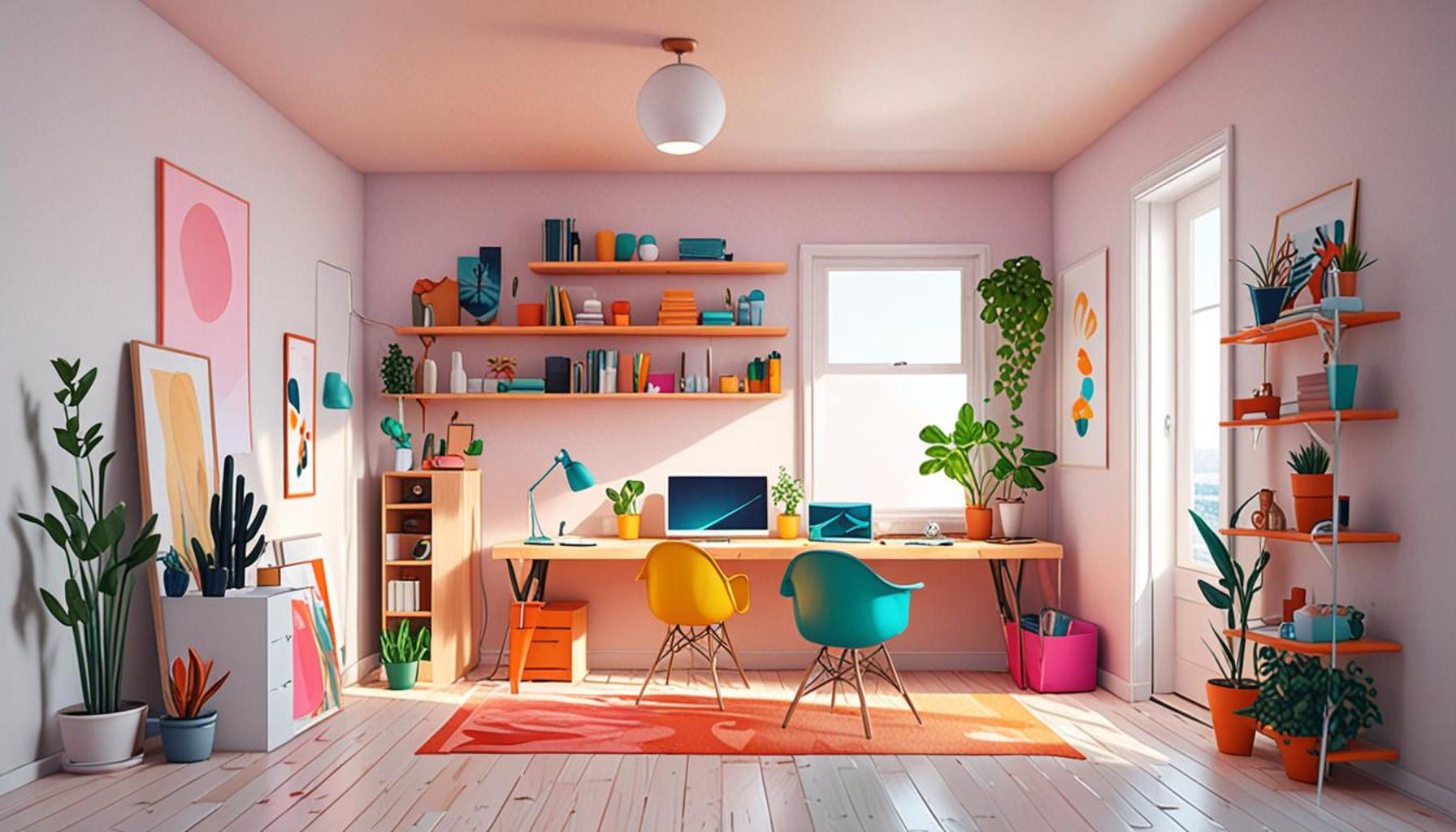
In today’s fast-paced world, small living spaces are becoming a necessity for many, especially in urban areas. As cities expand and housing costs soar, individuals and families find themselves opting for more compact living arrangements. Whether you reside in a cozy apartment downtown, a tiny home on the outskirts, or even a studio, finding ways to enhance your environment is crucial to maintaining comfort and functionality.
Transforming Cramped Spaces into Comfortable Havens
Efficient use of limited areas can transform your space from cramped to comfortable. With ingenuity and a bit of creativity, a small footprint can very much become a tasteful sanctuary. Here are some effective strategies to consider:
- Multifunctional Furniture: Investing in items that serve multiple purposes can significantly increase the usability of your space. For example, a sofa bed is perfect for accommodating guests without the need for an extra bedroom. Likewise, consider a coffee table that doubles as storage, allowing you to keep essentials like blankets or magazines neatly tucked away.
- Vertical Solutions: Utilizing vertical space is essential in small homes. Wall-mounted shelves not only add a unique decor element but also keep your floor space clear for movement. Hooks are excellent for items like coats and bags, keeping them off the furniture and maintaining an organized environment. In addition, ceiling-mounted racks can hold pots in a kitchen, thus maximizing cabinet space.
- Declutter Regularly: Maintaining a minimalist aesthetic can greatly enhance your living experience. By frequently assessing your belongings and removing unnecessary items, you create a space that feels more open and manageable. The “one in, one out” rule could help maintain balance: every time you bring in a new item, consider letting go of something else.
Creating a Stress-Free Environment
Implementing these strategies not only optimizes your space but also contributes to a stress-free environment. A well-organized home reduces mental clutter, fostering a soothing atmosphere that encourages relaxation and productivity. Understanding how to implement these techniques can lead to a more satisfying living experience, turning an overwhelming space into a functional oasis.
Through painting with light colors, using mirrors to reflect space, or even incorporating plants for that breathe-of-fresh-air feel, small spaces can also be creatively enhanced. As we dive deeper into efficient living, you’ll discover various innovative ideas tailored for maximizing small spaces—such as utilizing under-stair storage or even implementing modular furniture solutions.
Get Ready to Transform Your Home!
Are you ready to transform your home? Embracing the art of minimalist living does not only simplify your space but also encourages a lifestyle centered around experiences rather than possessions. Let’s explore this journey together and uncover exciting opportunities for optimizing your home environment!
Innovative Strategies for Small Space Optimization
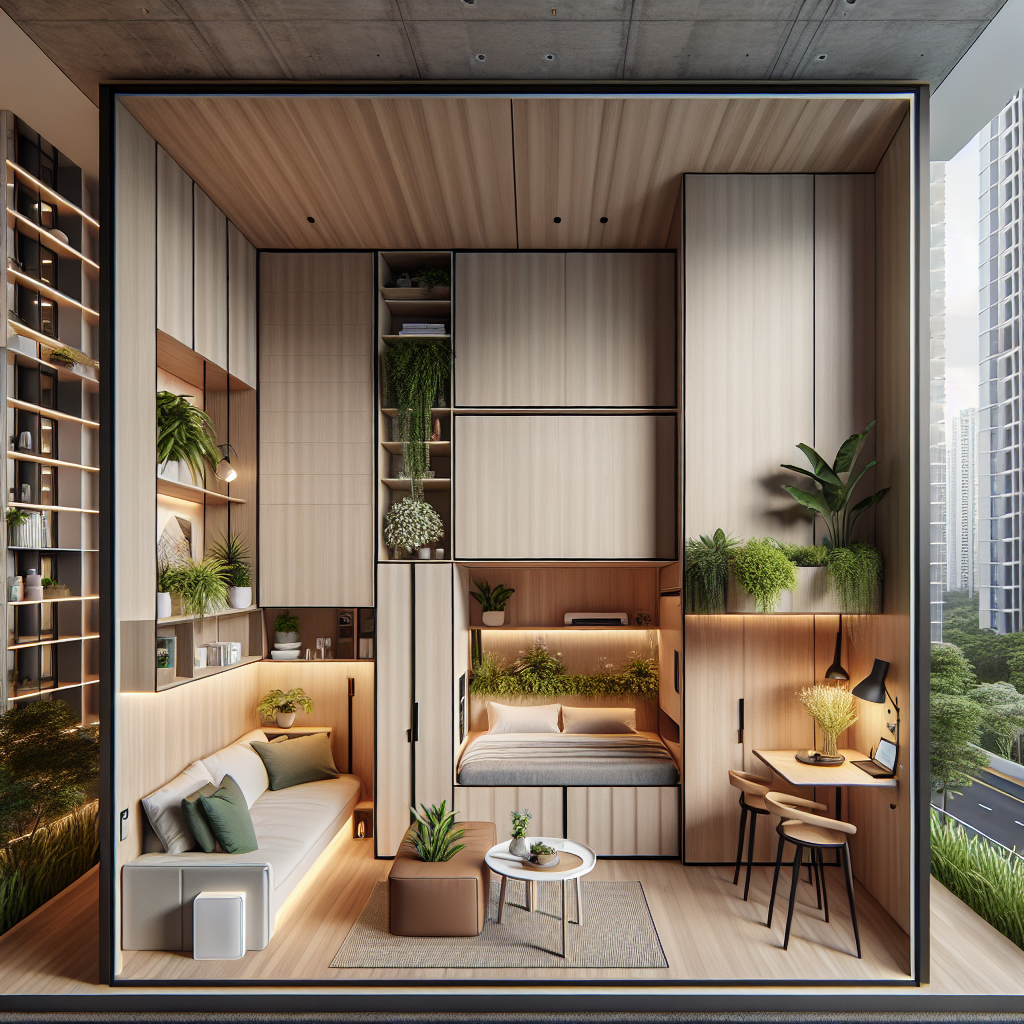
Maximizing small spaces goes beyond mere aesthetics; it involves strategic thinking and clever solutions to enrich your living experience. Recognizing the potential in every inch is paramount, especially in a world where space is often at a premium. To assist you in transforming your compact abode into a functional and stylish retreat, we’ve compiled several innovative strategies that can be easily implemented.
Smart Zoning Techniques
One of the most effective ways to optimize small spaces is through smart zoning. By creating distinct areas for various activities, you can maintain functionality while avoiding a cluttered look. Here are some practical approaches:
- Area Rugs: Use area rugs to delineate spaces within a single room. For example, a comfortable rug can transform a section into a reading nook, while another can define a dining area.
- Open Shelving Dividers: Consider installing open shelves as room dividers. This not only breaks up the space but also provides valuable storage and display options for books or decorative items.
- Lighting Variations: Different lighting sources can create ambiance and indicate usage within zones. Pendant lights over a kitchen island can differentiate it from the living space, while a soft floor lamp near a couch can designate a relaxation area.
Embracing Minimalism in Decor
A minimalist approach to decorating is key to small space optimization. By focusing on fewer, high-quality items, you can create a cohesive look that feels spacious rather than cluttered. Here are some essential principles to consider:
- Choose a Neutral Palette: Light colors can help to make a small room feel larger and more open. Consider painting your walls in soft whites or light grays, and use pops of color through accessories that can be easily changed.
- Limit Decorative Items: Aim to keep decor items to a minimum. Rotate your pieces periodically to refresh your space without overcrowding it.
- Showcase Functionality: Select decorative items that are also functional. For instance, a stylish basket can act as storage while serving as an attractive accent piece.
By implementing these strategies, you can effectively redefine what is possible in your living environment. The key to thriving in small spaces lies in balancing functionality with style, thus creating a home that not only meets your needs but also reflects your personality. As we continue our exploration, you’ll uncover more resources and tips that can turn even the tiniest of areas into inspiring havens of comfort and creativity.
Maximizing Small Spaces: Efficiency Strategies in Minimalist Environments
In the pursuit of creating efficient small living spaces, it’s essential to explore innovative solutions that not only enhance the aesthetic appeal but also maximize functionality. One of the key strategies lies in the concept of multi-purpose furniture. By opting for items that serve multiple functions, such as a sofa bed or an ottoman with storage, you can effectively optimize limited square footage while maintaining a minimalist vibe. This approach not only conserves space but also alleviates clutter, allowing for a more harmonious living experience.
Another critical element is the use of vertical space. Wall-mounted shelves, cabinets, and hooks are invaluable in transforming walls into productive areas. They provide additional storage without encroaching on the floor space, which is crucial in smaller environments. In addition, utilizing mirrors strategically can create an illusion of depth, making spaces seem larger. The reflective surfaces can amplify natural light, further enhancing the open feel of your space.
Smart organization is vital. Utilizing baskets, drawer dividers, and labels ensures that everything has its place, contributing to an orderly environment. This not only simplifies daily routines but also encourages a seasonally curated wardrobe or collection, minimizing unnecessary items and fostering a genuinely minimalist lifestyle.
Environments can also benefit greatly from a cohesive color palette. Light, neutral colors on walls and furniture can keep a room feeling airy and open, while accent pieces in bolder shades can add depth and character without overwhelming the space.
Lastly, embracing the philosophy of “less is more” is essential. Prioritize quality over quantity in all aspects of living, from décor to furnishings. The beauty of small, minimalist spaces lies in the thoughtful curation of elements that truly add value to daily life.
| Advantage | Key Features |
|---|---|
| Multi-purpose Furniture | Furniture that combines function, such as sofa beds and ottomans with storage. |
| Vertical Space Utilization | Wall-mounted solutions that enhance storage without taking up valuable floor space. |
| Smart Organization | Using storage solutions that streamline and declutter for a harmonious environment. |
Adopting these strategies not only enriches your living experience but also promotes a serene and organized ambiance, making every corner of a compact space feel inviting and functional.
Functional Furniture Solutions
Furniture plays a pivotal role in how effectively small spaces are utilized. The right selections can drastically elevate both the aesthetics and functionality of your abode. In this context, multifunctional furniture emerges as a cornerstone strategy, allowing you to maximize space without sacrificing style. Here are several innovative furniture solutions that can help you make the most of your limited area:
- Sofa Beds: A classic solution, sofa beds provide comfort during the day and morph into a cozy sleeping arrangement at night. This dual-purpose option is ideal for studio apartments or guest rooms, eliminating the need for additional beds.
- Extendable Tables: Dining tables that can be expanded for entertaining guests are invaluable in small homes. These modular designs can be compact for everyday use and transformed for special occasions, balancing functionality with space-saving design.
- Ottomans with Storage: Besides being seating or footrests, ottomans with built-in storage can house blankets, books, and other items, contributing to a tidy environment while adding a touch of style.
To complement these choices, it’s essential to prioritize scalability and adaptability. For instance, consider using furniture on wheels that can be easily rearranged to accommodate different activities, whether hosting friends or enjoying a solitude moment.
Vertical Space Utilization
When floor space is limited, it’s time to look up and consider vertical space utilization. From the walls to the ceiling, vertical dimensions hold tremendous potential for enhancing your living space. Here’s how to make the most of them:
- Wall-Mounted Shelving: Floating shelves not only provide practical storage but can be arranged artistically to serve as a focal point in a room. Display books, plants, or collectibles to personalize your space while saving valuable floor area.
- Over-the-Door Organizers: Maximize the utility of your doors by using over-the-door racks. These can serve as storage for shoes, personal items, or even kitchen utensils, turning a neglected space into a functional asset.
- High Cabinets: Installing cabinets that extend to the ceiling allows you to take advantage of unused airspace. Store items that are less frequently used on the higher shelves, freeing up lower space for essentials.
Utilizing vertical space not only enhances storage options but also creates a sense of openness in the environment, preventing a cramped feeling. When integrating such solutions, consider the visual balance; strategic placement of items can draw the eye upward, making a small room appear larger.
Windows as Design Assets
Often overlooked, windows are crucial assets in small spaces. They offer natural light, contributing to a more open and inviting atmosphere. When implementing strategies for maximizing this resource, consider these tips:
- Sheer Curtains: Opt for light, sheer materials that allow ample sunlight while still maintaining privacy. Avoid heavy drapes that can make a room feel smaller and darker.
- Window Seats: Transform your window area into a functional space by creating a cozy window seat. This not only utilizes the often-neglected area but also provides a perfect spot for relaxation or reading.
- Mirrors: Strategically placing mirrors opposite windows can amplify natural light and create an illusion of depth. This tactic is particularly useful in tiny rooms, as it visually expands the space.
Incorporating design elements that enhance light and visibility is essential for achieving a sense of spaciousness, making even the smallest quarters feel open and airy.
Conclusion
In the pursuit of embracing minimalist environments, it becomes crucial to adopt innovative strategies for maximizing small spaces. The effective use of multifunctional furniture not only enhances functionality but also uplifts the overall aesthetic of an area. The beauty lies in choosing pieces that adapt seamlessly to various needs, like sofa beds or extendable tables, proving that style need not be compromised for efficiency.
Moreover, leveraging vertical space can transform any compact room into a well-organized sanctuary. By utilizing wall-mounted shelves, over-the-door organizers, and high cabinets, homeowners can maintain a clean and expansive feel, making even the tightest quarters appear spacious. This upward focus on design delivers not just practicality, but also optical illusions of depth that are enlightening for anyone tackling small space challenges.
Furthermore, the thoughtful incorporation of light through window treatments and strategic mirror placements plays an essential role in creating an inviting atmosphere. Allowing natural light to flood in can make any space feel open and airy, counteracting the potential confinement of small environments.
Ultimately, maximizing small spaces requires a blend of creativity, functionality, and an eye for design. By applying these strategies, individuals can not only find efficiency within their homes but also cultivate a living space that reflects their unique style and needs. Dive deeper into these concepts, and you may discover new aspects of your living environment previously overlooked—an exciting avenue for enhancing the very essence of home.