Functional Organization: How Spatial Efficiency Improves Minimalist Living

Unlocking the Power of Space
In a world where consumerism often reigns supreme, the appeal of minimalist living continues to rise. By embracing the concept of functional organization, individuals can transform limited spaces into efficient, harmonious environments. This shift not only liberates physical space but also fosters mental clarity and well-being. Reducing clutter can profoundly impact one’s mindset and productivity, especially in urban settings, where homes tend to be smaller and space is at a premium.
Consider these aspects of spatial efficiency when embarking on a minimalist journey:
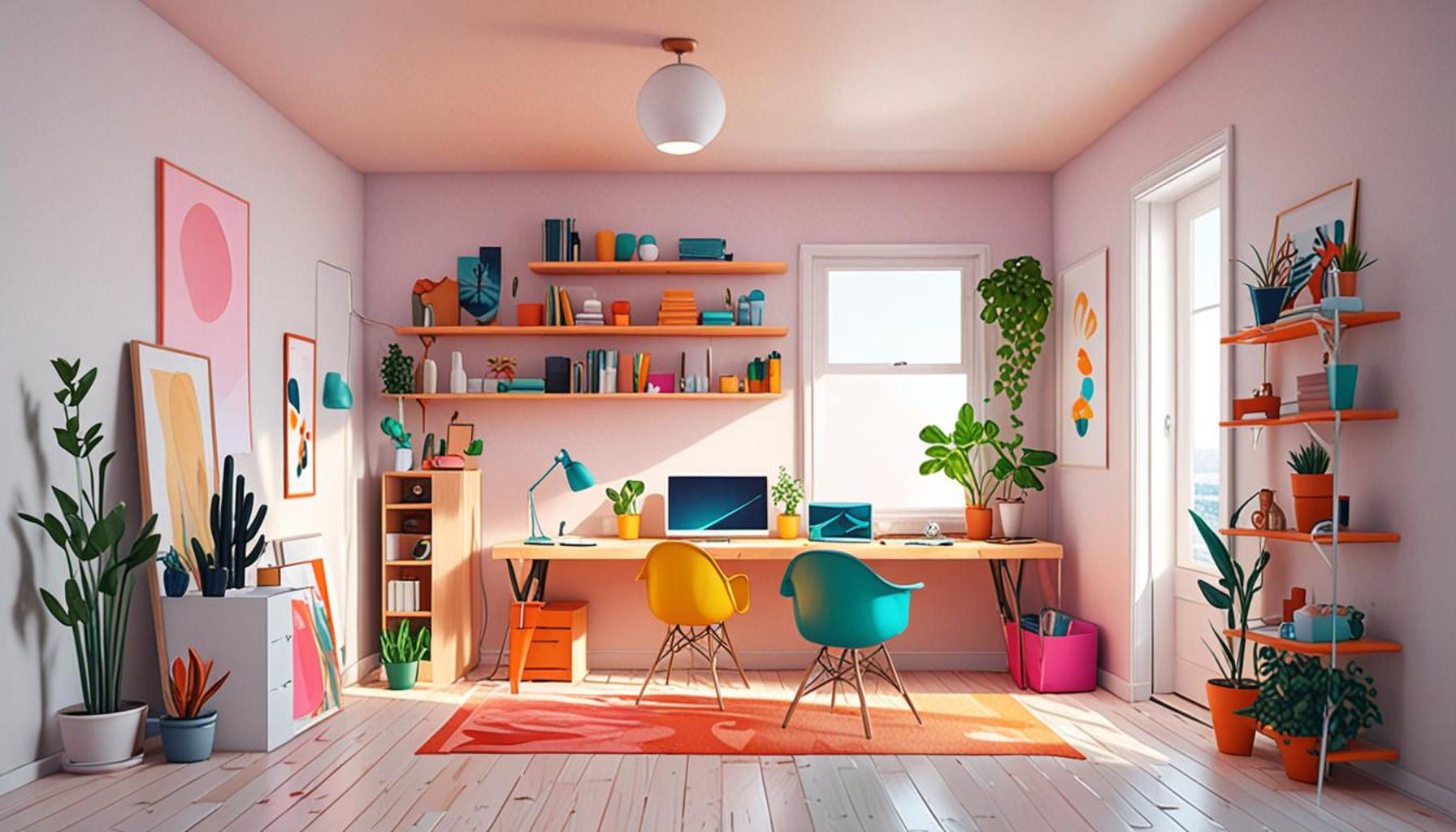
- Smart storage solutions: Utilizing vertical space through shelves or wall-mounted storage can significantly maximize available square footage. For instance, consider installing floating shelves in your living room or bedroom, allowing you to display books and decorative items while keeping the floor clear. Additionally, investing in multifunctional furniture, such as a sofa bed or an ottoman that doubles as storage, can help keep your space tidy without sacrificing style.
- Decluttering: Reducing belongings empowers individuals to prioritize what truly matters. Start by evaluating each item’s necessity—if it doesn’t serve a purpose or bring joy, it may be time to let it go. The popular Marie Kondo method encourages people to keep items that “spark joy.” This process can be liberating and help individuals to focus on meaningful possessions rather than an accumulation of items. Donating or recycling unused belongings not only frees up space but also contributes to sustainability efforts.
- Visual harmony: A cohesive color palette promotes a calming atmosphere, essential for minimalist living. Soft, neutral tones can create an inviting space that feels more expansive, while also making it easier to coordinate various decor elements. For example, using shades like whites, grays, and earth tones can unify a room’s look and feel. Incorporating natural textures such as wood or stone through furniture can further enhance this effect, creating a serene sanctuary.
In the pursuit of a more streamlined lifestyle, understanding the principles of spatial efficiency is crucial. Minimalism isn’t merely about living with less; it’s about enhancing quality of life through thoughtful organization. As this article unfolds, delve deeper into strategies for creating functional spaces that resonate with the minimalist spirit. For many, this transformation is not only aesthetic but also deeply connected to their mental state, making a clutter-free environment synonymous with peace and productivity.
Why It Matters
Exploring how functional organization can curb clutter and create tranquility may encourage readers to reevaluate their living spaces. In the frenzy of modern life, distractions abound; understanding how to manage one’s environment can significantly influence emotional well-being. By embracing the challenge to live more with less, individuals can reclaim their spaces and turn them into effective platforms for daily activities.
Join the journey to discover innovative techniques that promote simplicity and efficacious use of space. This exploration can lead to insightful choices around home design, fostering an atmosphere where creativity and relaxation thrive. Ultimately, embracing minimalism allows individuals to cultivate environments that align with their values, emphasizing quality over quantity in a highly consumer-driven society.
Reimagining Space Through Functional Organization
As we navigate the complexities of modern life, the concept of functional organization emerges as a beacon for those seeking to integrate both form and function into their living spaces. The essence of functional organization lies in creating environments that serve a clear purpose, facilitating a sense of order and tranquility. By understanding the nuances of spatial efficiency, individuals can create minimalist settings that encourage better living conditions and enhance daily routines. But how can one effectively harness this power of space?
To achieve a functional space, consider the following strategies that blend practicality with style:
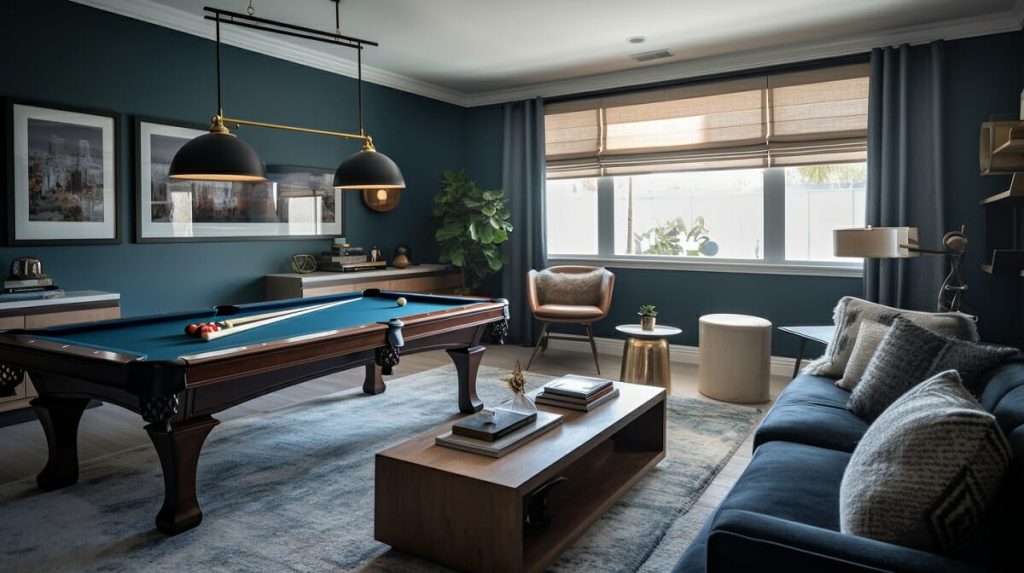
- Create defined zones: Effective organization begins with establishing designated areas for different activities. Whether it’s a cozy reading nook or a productive home office, defining zones helps to streamline tasks. Use furniture arrangements, rugs, or room dividers to signify these spaces, ensuring that each zone serves its intended purpose without unnecessary clutter.
- Incorporate multifunctional furniture: One of the cornerstones of minimalist living is the concept of simplicity through adaptability. Choose furniture pieces that serve multiple roles—like a dining table that can double as a workspace. This approach not only saves space but also reduces the need for excess items, aligning perfectly with the minimalist ethos.
- Utilize hidden storage: In minimalist living, visibility often equates to chaos. Craft smart storage solutions that tuck away items, keeping surfaces clean and organized. Consider under-bed storage for seasonal clothes or hidden compartments in furniture to keep seldom-used items out of sight. This strategy optimizes space while maintaining a serene aesthetic.
- Embrace decluttering habits: Minimalist living thrives on the practice of regularly reassessing and eliminating excess belongings. Create a routine for decluttering; for instance, commit to assessing your possessions seasonally. By continually refining what you keep, you cultivate a home filled only with items that enhance your life.
Understanding how spatial efficiency impacts daily life is vital for anyone embarking on a minimalist journey. Beyond aesthetics, having a functional organization enables better mental focus and promotes healthier habits. For example, a clutter-free workspace can significantly boost productivity, while a well-organized kitchen can inspire healthier cooking practices. The effects of thoughtful organization go beyond mere convenience; they create an environment that nurtures creativity and well-being.
As we delve deeper into the nuances of functional organization, it becomes clear that achieving minimalist living involves more than simply reducing possessions. It’s about fostering a lifestyle that prioritizes intentionality and sustainability. Let’s explore how to maintain this balance while reinforcing the positive aspects that minimalist living can bring, transforming not just our homes, but our minds as well.
| Advantage | Description |
|---|---|
| Enhanced Clarity | A key facet of functional organization is the clarity it brings to living spaces. By minimizing clutter, individuals can focus on what truly matters—creating efficient zones for work, relaxation, and socialization. |
| Stress Reduction | A well-organized environment lowers anxiety levels. With a focus on spatial efficiency, people can enjoy a more tranquil atmosphere that promotes mindfulness and overall well-being. |
The exploration of functional organization reveals a profound impact on minimalist living. Creating clearly defined living and working areas enhances not only productivity but also creativity. Spatial efficiency allows for thoughtful design, where each item has its place, making daily routines seamless. Stress can be alleviated as individuals engage in a lifestyle where simplicity reigns, allowing them to redirect their energies toward personal growth and relationships. Moreover, implementing systems that champion spatial efficiency fosters sustainability. By opting for multifunctional furniture and intelligent storage solutions, individuals can reduce their environmental footprint while enjoying a cleaner, more organized space. Through this lens, minimalist living becomes not just a trend but a commitment to a more intentional and fulfilling way of life. The shift towards a functionally organized environment invites readers to consider how their spaces can reflect their values and aspirations, making them eager to learn more about achieving this transformational lifestyle.
Mastering the Art of Spatial Efficiency
As we continue to explore the transformative power of functional organization, another critical aspect to consider is the importance of spatial efficiency in minimalist living. Spatial efficiency refers to the effective use of space in a manner that maximizes functionality while minimizing excess. In an age where urban living spaces often come at a premium, understanding how to utilize every square inch becomes essential for anyone looking to simplify their surroundings.
Implementing vertical space is one of the easiest ways to enhance spatial efficiency. Many homeowners overlook their walls and ceilings as potential storage areas. By incorporating shelves, hanging baskets, or wall-mounted racks, you can keep essential items accessible without consuming valuable floor space. For example, a series of floating shelves in a kitchen can beautifully display herbs and cookbooks, while also providing room for culinary tasks without the clutter of countertop appliances.
Additionally, thinking beyond traditional furniture placement opens up a world of possibilities. Consider room arrangements that include furniture on wheels, such as mobile carts or rolling islands. These movable pieces can be easily reconfigured to adapt to different needs and social gatherings. During a quiet evening at home, a cart can neatly store books and snacks, but when friends visit, it transitions into a drink station for entertaining. This fluidity promotes a more dynamic and functional environment.
Smart use of color can further enhance a perception of space. Light colors tend to create an illusion of openness, making areas feel larger and airier. By opting for a cohesive color palette across your space—such as whites, soft grays, and pastel hues—you create a visually serene environment that discourages distraction and chaos. The psychology of color in space is undeniable; a monochromatic scheme can foster a calming atmosphere while emphasizing the function of each area.
Furthermore, implementing a “one-in, one-out” policy can help sustain the principles of spatial efficiency in a minimalist lifestyle. For every new item brought into the home, an old one should be released. This approach not only maintains order but cultivates mindfulness about what truly adds value to one’s life. For instance, if you purchase a new jacket, consider donating or selling an old one, which prevents clutter from accumulating again and keeps your space functional.
Regular maintenance of an organized space is equally crucial. Consider establishing a weekly or monthly review process where you assess your belongings and the effectiveness of your spatial organization. This habit can help catch any creeping clutter before it becomes overwhelming. Remember that the effort put into maintaining an efficiently organized space is an investment in your well-being, promoting mental clarity and reducing the stress associated with visual chaos.
In conclusion, the journey towards achieving a minimalist lifestyle through functional organization is multifaceted. By mastering spatial efficiency, individuals can craft a living environment that not only looks appealing but also enhances day-to-day functionality. As urban living continues to evolve, the principles of spatial efficiency will undoubtedly remain key to transforming how we interact with our surroundings.
Conclusion: Embracing a New Era of Minimalism
In today’s fast-paced world, the pursuit of a minimalist lifestyle through functional organization is more than just an aesthetic choice; it is a necessity for achieving harmony in our living spaces. By focusing on spatial efficiency, individuals are empowered to create environments that foster functionality and serenity, allowing them to lead more intentional lives. The integration of strategies such as utilizing vertical space, flexible furniture arrangements, and a careful selection of colors transforms not only our physical settings but also our mental well-being.
As we navigate the challenges of small living quarters—whether in bustling cities or cozy suburbs—implementing a “one-in, one-out” policy ensures that we maintain an equilibrium between new possessions and our curated essentials. Regular maintenance of our spaces and thoughtful evaluations help keep clutter at bay, ultimately supporting a more peaceful state of mind.
The principles of functional organization extend beyond mere aesthetics; they compel us to reassess our relationship with our belongings, nudging us toward a consumer mindset that values quality over quantity. As we embrace these concepts, we also align ourselves with a growing movement that views minimalism not as the elimination of items but as the intentional curation of our environments.
In conclusion, adopting spatial efficiency within functional organization is an invitation to rethink our lifestyles and redefine what it means to live minimally. The convergence of these principles not only enhances our surroundings but enriches our daily experiences, guiding us toward a calmer, more fulfilling way of life. It’s time to take that first step: to embrace the simplicity, beauty, and functionality that an efficient, organized home can provide.