Uncomplicating the Mind: Mindful Living Techniques to Organize Your Space and Your Life
The Rise of Mindful Living
In recent years, the fast-paced lifestyle many people lead has led to a sense of chaos, both in their physical environments and within their minds. This overwhelming clutter often hampers productivity and stifles creativity. As a counter to this phenomenon, the art of mindful living has emerged as a holistic approach to not only organize your space and your life but also to foster a sense of peace and contentment.
To embark on the journey towards mindful living, incorporating specific techniques can be incredibly transformative. Here are a few key strategies to consider:
- Decluttering: Begin by systematically removing items that no longer serve a purpose. This could include clothing that hasn’t been worn in over a year, outdated paperwork, or broken items that clutter your space. The process not only clears your physical space but also metaphorically declutters your mind, creating a more open and inviting environment.
- Mindful Organization: Implement organization systems that simplify your life. For example, use labeled bins or drawers in your kitchen to easily find ingredients or tools. Consider adopting the KonMari method, which suggests keeping only those items that “spark joy.” This approach can lead to a harmonious living space that feels personal and cherished.
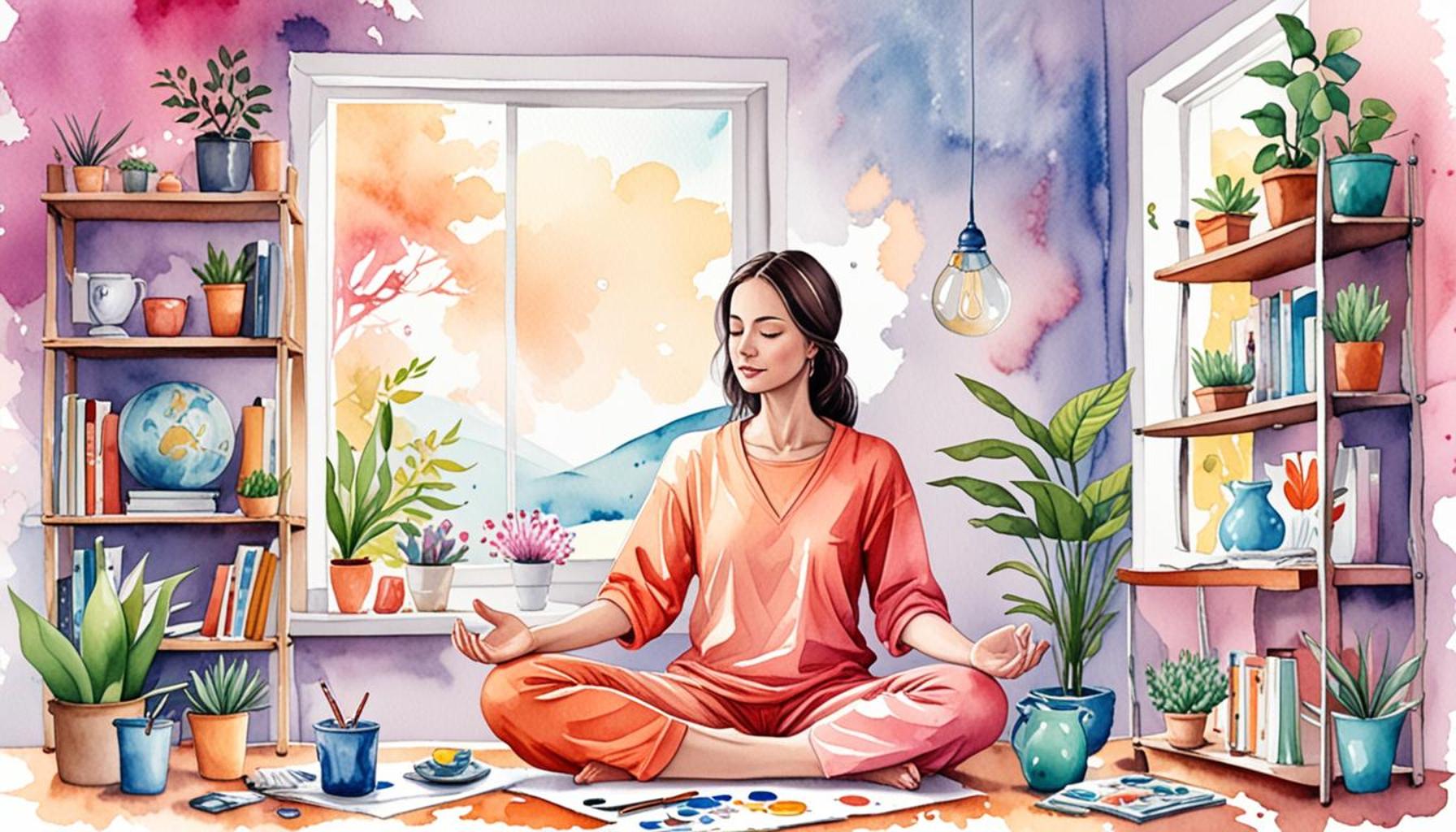
- Intentional Space Design: Design your home or workspace to reflect your core values and aspirations. This might mean creating a cozy reading nook filled with your favorite books, or a serene meditation corner with plants and soft lighting. The goal is to create a space where you feel inspired and grounded, allowing for relaxation and creativity.
By putting these strategies into practice, individuals often find themselves experiencing a newfound clarity that enhances both their environments and their mental states. Research suggests that living in a well-organized space can lead to reduced anxiety, enhanced focus, and higher levels of productivity. Furthermore, the practice of mindful living encourages individuals to prioritize their well-being, making choices that promote mental health and happiness.
As you explore these techniques, prepare to uncover new layers of simplicity in your daily life. The transformation may lead to a more serene existence where stress dissipates, making room for creativity and personal growth. Mindful living challenges conventional notions of organization and invites individuals to embrace a lifestyle that champions clarity, purpose, and serenity.
In a world dominated by distractions—from smartphones buzzing with notifications to the barrage of emails—adopting a mindful approach can cultivate a sanctuary within, helping you navigate daily challenges with grace and focus. So, embrace the principles of mindful living and explore how they can foster a refreshing and rejuvenating change in both your surroundings and your mind.

Effective Techniques for Mindful Living
Adopting the principles of mindful living is not solely about decluttering one’s physical surroundings. It extends deeper into the psyche, urging individuals to reshape their experiences and interactions with the world. Understanding and implementing effective techniques can lead to profound changes, enhancing both your space and your mind. Here are a few essential strategies that form the foundation of a mindful lifestyle:
- Set Clear Intentions: Before embarking on the journey of organization, it is crucial to define what you want to achieve. Ask yourself questions such as, “What does a mindful life look like to me?” and “What emotions do I want to cultivate in my space?” Setting clear intentions provides direction, making it easier to discern what to keep and what to let go of.
- Practice Gratitude: Cultivating gratitude is a cornerstone of mindfulness. As you interact with your belongings, take a moment to appreciate each item’s purpose in your life. This practice can shift your perspective, allowing you to joyfully part with items that may no longer serve you well, fostering a sense of abundance rather than scarcity.
- Mindful Consumption: In a consumer-driven society, being intentional about acquisitions is vital. Before making a purchase, consider whether the item aligns with your values and contributes meaningfully to your life. This mindful approach not only prevents future clutter but promotes sustainability by reducing unnecessary waste.
- Create Rituals: Developing daily routines can cultivate mindfulness and enhance your living space. Simple rituals like morning journaling, evening reflections, or a weekly reset of your home environment can anchor your day and create a harmonious atmosphere, reflecting inner calmness in your surroundings.
Implementing these techniques can transform your environment into a reflection of who you are, free from the noise of unnecessary distractions. Research indicates that environments characterized by mindful organization can positively impact mental health, leading to decreased levels of stress and anxiety. As you practice mindfulness, it becomes increasingly evident that the connections between your surroundings and your mental clarity are profound.
Moreover, mindful living encourages a holistic approach to well-being, integrating physical, emotional, and spiritual dimensions. This interconnectedness invites you to prioritize self-care, develop resilience, and create a balanced life. As you move forward in your quest for a mindful existence, remember that small, consistent changes can lead to remarkable transformations over time.
As you delve deeper into the world of mindful living, you may find that creating an organized space is only the beginning. It acts as a gateway to evolving how you approach not just your possessions but also your relationships, tasks, and ambitions. Embrace this journey with an open heart and mind, and allow the principles of mindfulness to guide you towards a more fulfilling life.
| Advantage | Description |
|---|---|
| Clarity in Space | Implementing mindful living techniques encourages decluttering, which can lead to a more organized environment that fosters mental clarity. An uncluttered space can significantly reduce stress levels. |
| Enhanced Focus | By organizing your physical surroundings, you create a positive atmosphere that enhances your ability to focus on tasks. This promotes enhanced productivity and creativity, essential elements in both personal and professional realms. |
The concept of mindful living extends far beyond simply arranging items neatly. It digs into the realm of psychological benefits that accompany a thoughtful organization of personal space. Mindful techniques can help establish a rhythm in your daily life, simplifying your approach to responsibilities and enabling you to prioritize what truly matters. By applying these principles, individuals can cultivate not just a tidy home, but a tranquil mind, further allowing for an enriched living experience. Embracing this lifestyle can be transformative, encouraging deeper connections with both your surroundings and yourself. There is a profound connection between a serene environment and overall well-being; exploring this relationship may lead to unexpectedly rewarding insights.
Building a Mindful Community
While the journey to mindful living begins within, it’s essential to recognize that community plays a significant role in fostering an environment conducive to these principles. Engaging with others who share similar values can deepen your understanding of mindful practices and provide a support network as you navigate this transition. Here are some effective ways to build a mindful community around you:
- Join Mindfulness Groups: Many local communities offer mindfulness meditation groups or workshops. These gatherings provide a space for individuals to share experiences, techniques, and challenges. Participating in such groups can enhance your practice while holding you accountable to your intentions.
- Involve Family and Friends: Mindful living doesn’t have to be a solo journey. Invite loved ones to join you in organizing your space or practicing meditation together. Creating a shared goal fosters connection and helps reinforce the importance of these techniques in your daily routines.
- Online Communities: In the digital age, finding an online community centered around mindful living can be invaluable. Platforms like Facebook, Reddit, or specialized forums often host groups focused on decluttering, minimalism, and mindfulness. Engaging in online discussions can provide fresh perspectives and motivation to continue your journey.
- Attend Workshops and Retreats: Participating in workshops or mindfulness retreats can offer immersive experiences that deepen your understanding. These events often feature expert guidance, allowing you to learn advanced techniques while being surrounded by like-minded individuals. The shared experiences can lead to lasting friendships and ongoing encouragement.
Moreover, as you connect with others, consider how the concept of mindful sharing can transform your space. Instead of holding onto items out of guilt or obligation, consider sharing them with friends, family, or local charities. This practice encourages a cycle of giving that not only reduces clutter but also enriches your community’s spirit.
The Role of Mindfulness in Life Management
Beyond organizing your space, mindful living extends to how you manage your time and responsibilities. Mindfulness can be a valuable tool for enhancing productivity and reducing overwhelm. Here are some strategies to help create a more balanced approach to life management:
- Time Blocking: Implementing time blocking can help structure your day to include periods of focused work interspersed with moments for reflection and self-care. This approach encourages dedicated attention to specific tasks while ensuring you avoid the pitfalls of multi-tasking, which can lead to scattered focus and increased stress.
- Set Boundaries: Mindfulness teaches the importance of self-awareness, allowing you to recognize when you need to say “no” to requests or commitments that drain your energy. Setting clear boundaries can protect your time and mental space, resulting in a more fulfilling and less chaotic life.
- Prioritize Self-Care: Regular self-care practices, such as meditation, exercise, and hobbies, help recharge your mental battery. These activities are not indulgences but necessary components of a balanced life. They allow you to approach obligations with renewed vigor and a clearer mindset.
- Reflect and Adjust: Consistently practice self-reflection to evaluate what’s working and what isn’t in your life. Periodically assess your routines and commitments, and be open to adjusting them to align better with your core values and intentions.
Integrating these life management strategies into your routine can create a clear, organized lifestyle that reflects your values and aspirations. Research indicates that individuals who embrace mindfulness in their approach to life management often report higher satisfaction and reduced stress levels, illustrating the profound impact this practice can have.
With these techniques and the support of a mindful community, you can create a life that is not only organized but also infused with purpose and clarity. As you continue to explore and implement these principles, remember that the journey itself is a fundamental aspect of your growth. Embrace each step as an opportunity for learning and evolution.
DISCOVER MORE: Click here for efficiency tips
Conclusion: Embracing Mindful Living for Lasting Change
In a fast-paced world filled with distractions, uncomplicating the mind through mindful living can be a transformative journey. By integrating simple yet effective techniques to organize your space and manage your life, you pave the way for greater clarity and fulfillment. This holistic approach not only removes physical clutter but also cultivates a mental environment that promotes peace and creativity.
The essence of mindful living lies in the understanding that every action, from the way we arrange our homes to how we allocate our time, has a ripple effect on our overall well-being. By establishing practices such as time blocking, setting boundaries, and prioritizing self-care, you create a supportive framework that enhances both personal and communal harmony. Engaging with a mindful community furthers this commitment, providing accountability and inspiration as you navigate the complexities of modern life.
As you venture into this transformative process, remember that mindfulness is a journey, not a destination. Each attempt at decluttering or organizing is an opportunity to reflect and grow. The benefits of reduced stress and increased satisfaction are not merely obtainable outcomes but enlightening aspects of your ongoing experience. By embracing these mindful living techniques, you unlock the potential to craft a life that resonates with your values and aspirations. So take a breath, and begin—your more organized, purposeful self awaits.