Master the Art of Letting Go Transform Your Minimalist Lifestyle

Embracing Change Through Letting Go
In a world where excess often rules, the minimalist movement has emerged as a beacon for those seeking clarity and peace. Letting go of material possessions is not merely a trend but a transformative force that can profoundly impact our lives. This practice goes beyond just fostering spatial efficiency—it also cultivates mental clarity and emotional freedom, creating a life that is less burdened and more meaningful.
The Significance of Space Efficiency
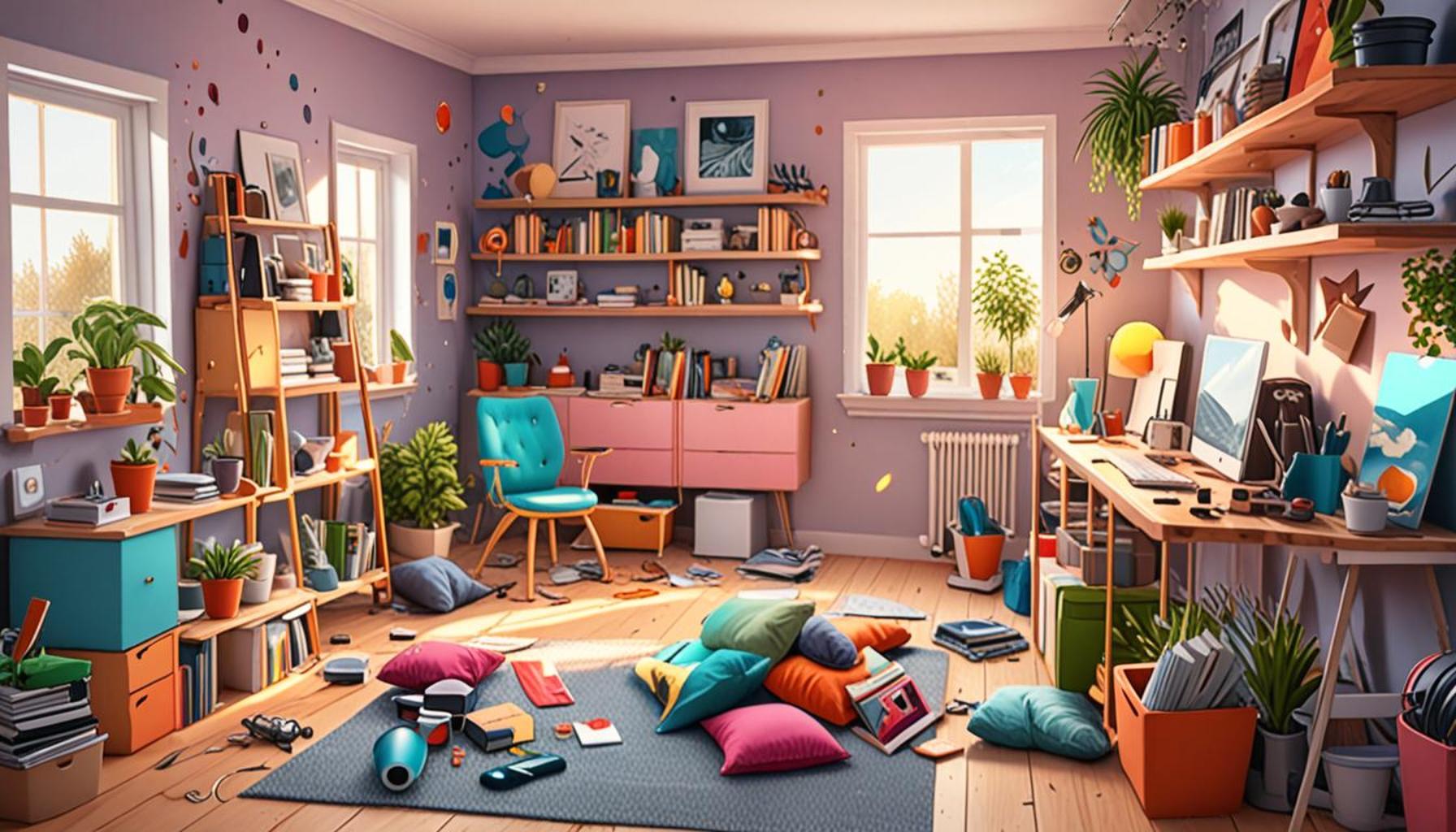
Understanding space efficiency is essential for anyone on the minimalist journey. By decluttering our surroundings, we open up areas that were previously cluttered and chaotic, enabling them to become hubs of creativity and productivity. The resulting environment is not only aesthetically pleasing but also significantly reduces stress and anxiety. A clean and organized space allows for the free flow of inspiration, providing a canvas for innovation and thoughtful living.
Impact on Daily Life
The profound impact of embracing minimalism through spatial efficiency is evident in everyday life. Imagine a morning routine free from the frantic search for keys or clothes, thus setting a calmer tone for the day. This practice encourages a more mindful approach to possessions, prompting us to evaluate the true necessity of each item. It shifts our focus from accumulation to appreciation, enhancing our overall well-being.
Top 5 Strategies for Decluttering
- Assess and Prioritize: Start by evaluating which items add value to your life. Keep only those that align with your goals and discard the rest.
- Adopt a One-In, One-Out Rule: For every new item you bring into your home, remove one that no longer serves a purpose.
- Set Small, Manageable Goals: Focus on one area at a time, such as a closet or drawer, to prevent feeling overwhelmed.
- Harness Technology: Use digital storage for documents and photos to minimize physical clutter.
- Regular Maintenance: Schedule consistent intervals to review and declutter again, making it a routine part of your lifestyle.
By implementing these strategies, you can pave the way for a more mindful and intentional living experience. Letting go, in essence, is not losing something, but gaining everything that truly matters. Transform your living space and mindset today by embracing the art of letting go and
Top 5: The Art of Letting Go – How Space Efficiency Can Transform Your Minimalist Lifestyle
In our rapidly evolving world, the minimalist lifestyle is increasingly popular as many seek tranquility amidst chaos. By focusing on simplicity and intentional living, minimalism encourages individuals to prioritize what truly matters. Space efficiency is a key aspect of this lifestyle choice, offering a pathway to more freedom, clarity, and fulfillment. Here, we delve into the top five transformative impacts of mastering the art of letting go and how leveraging space efficiency can revolutionize your minimalist approach.

5. Reducing Physical Clutter
The journey towards minimalism begins with clearing out physical clutter from your living space. Most of us own far more than we need, often leading to a chaotic environment that distracts from what’s essential. The act of decluttering is not just about throwing things away; it’s about making conscious decisions.
Strategies such as the “one in, one out” rule are effective tools for managing influxes into the home. Here are some actionable steps:
- Seasonal evaluations: Regularly go through belongings every three months to assess their necessity and value.
- Mindful donations: Give away items that haven’t been used in the last year; someone else might find a treasure in what no longer serves you.
- Clever storage solutions: Make the best use of available space, such as under-bed compartments or vertical shelves, to keep surfaces clear.
By reducing physical clutter, you create space not only in your home but in your life, paving the way for growth and increased efficiency.
4. Enhancing Mental Clarity
A cluttered environment often mirrors a cluttered mind. Spatial efficiency contributes to mental clarity, promoting a sense of calm and focus essential for productivity and creativity. A tidy space can influence your mental state, encouraging a smoother thought process and better decision-making.
Consider these methods to boost mental clarity:
- Tidy workspaces: Aim for an organized desk that encourages diligence and reduces distractions.
- Dedicated zones: Create specific areas in your home for various activities, such as work, relaxation, or hobbies, to maintain a focused environment.
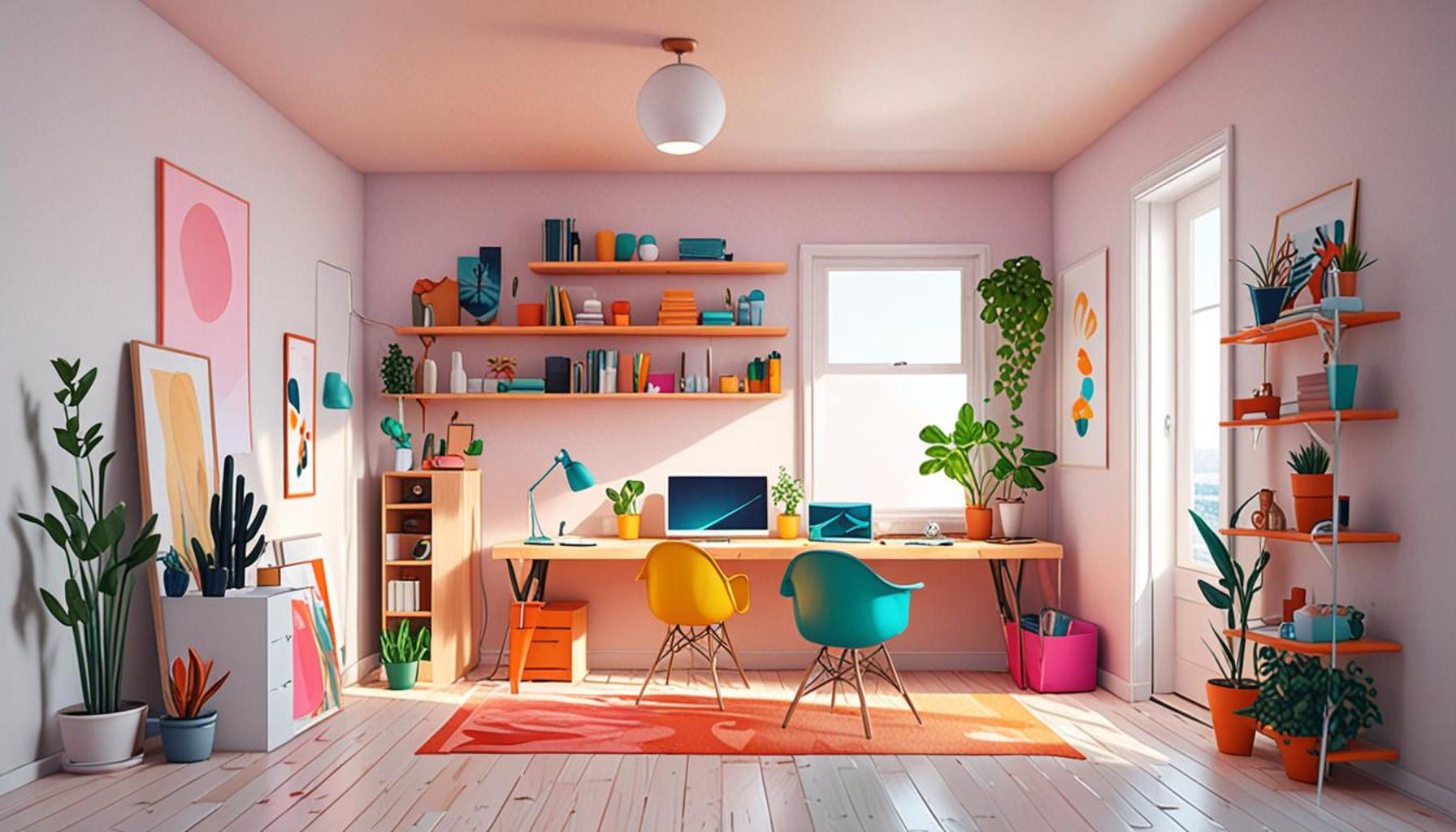
- Incorporation of nature: Natural light and plants can invigorate your space, bringing life and energy while cleansing the mental palette.
This approach not only boosts concentration but also ignites creativity, fueling both personal and professional development.
3. Financial Freedom through Minimalism
Minimalism offers a side effect that many find surprising: financial freedom. As you let go of unnecessary possessions, there’s a natural opportunity to reevaluate spending habits. Prioritizing quality over quantity can lead to wiser investments and substantial savings.
Explore the financial benefits of space efficiency:
- Reduced storage costs: By needing less space, you save money that would otherwise go to storage rentals or the purchase of bigger homes.
- Mindful spending: Frequent decluttering keeps your awareness high, reducing impulsive buying and unnecessary expenditure.
- Living within means: Embracing minimalism teaches contentment with fewer possessions, creating a stable financial foundation for future endeavors.
Financial freedom gained through minimalism allows you to focus resources on experiences and opportunities aligning with minimalist beliefs and values.
2. Building Sustainable Habits
Sustainability and minimalism intersect beautifully, with both advocating for mindful consumption and awareness of environmental impacts. Through space-efficient practices, you can establish sustainable habits that support eco-friendly living while reducing clutter.
Here’s how to build these habits:
- Limited reliance on disposables: Opt for reusable items, cutting down waste and conserving resources.
- Multi-functional furnishings: Choose items that serve multiple purposes, reducing the number of things you need.
- Regular reflection: Routinely evaluate your possessions to ensure they still bring joy and function to your life, thereby maintaining a curated collection of belongings.
This synergy between sustainability and minimalism not only lightens your environmental footprint but also enriches your life with purpose-driven choices.
1. Achieving a Higher Sense of Well-being
The most profound change brought by the art of letting go and space efficiency is an elevated sense of well-being. With optimized spaces and minimal clutter, emotional and psychological benefits abound, from lower stress levels to enhanced daily satisfaction.
Focus on well-being with these practices:
- Simplified routines: Establish daily habits that emphasize simplicity and concentrate on self-care.
- Tranquil environments: Design spaces that encourage relaxation and happiness, helping balance life’s demands.
- Mindfulness: Engage in practices that foster awareness and appreciation for the simplicity in your life, complementing a minimalist lifestyle.
This improved sense of well-being stands as a testament to how space efficiency reshapes not just your home but your entire life. It’s a continuous journey towards clarity, purpose, and harmonious living.
By infusing space efficiency into the art of letting go, you can experience transformative changes across various aspects of life. Whether you are just beginning or further along on your minimalist journey, recognize that each step in this direction brings you closer to a simpler, more fulfilled life.
| Category | Description |
|---|---|
| Maximizing Space | By adopting a minimalist lifestyle, individuals can significantly reduce clutter and optimize their surroundings for better functionality. |
| Mental Clarity | A neat and organized space can lead to improved focus and productivity, as the mind is less distracted by unnecessary possessions. |
| Financial Benefits | Emphasizing minimalism can also lead to financial savings through reduced spending on unnecessary items and greater appreciation for what one already owns. |
| Sustainability | Minimalism often promotes a sustainable lifestyle, encouraging individuals to invest in quality over quantity and prioritize eco-friendly choices. |
Frequently Asked Questions on the Art of Decluttering and Spatial Efficiency
What is the main principle behind a minimalist lifestyle?
The core principle of a minimalist lifestyle is to focus on intentional living, where you prioritize what truly matters and eliminate excess. By decluttering your space and life, you create room for what’s essential, ultimately leading to greater peace of mind and freedom. Less is more becomes not just a motto but a pathway to live a more fulfilling life.
How does spatial efficiency contribute to minimalism?
Spatial efficiency plays a crucial role by maximizing the functionality of the space you have. This involves smart organization, multi-use furniture, and creative storage solutions. By optimizing your living space, you facilitate a clutter-free environment that aligns with minimalist values. A well-organized space can transform how you experience your home, making daily activities more streamlined and less stressful.
Is it difficult to maintain a minimalist lifestyle over time?
While maintaining minimalism can be challenging in a consumer-driven world, it is not impossible. Regularly reassessing your possessions and habits helps keep clutter at bay. Adopting mindful shopping practices—only buying what you need and truly value—can significantly ease the process. Over time, the habit of living minimally becomes second nature.
What are some strategies for effectively decluttering my space?
Effective decluttering starts with assessing each item’s value and usefulness in your life. Consider the popular KonMari method, where you keep only items that “spark joy,” or use the minimalist’s rule of thumb, which involves letting go of anything you haven’t used in the past six months. Starting with small spaces and gradually moving to larger areas can make the process more manageable and less overwhelming.
Can minimalism have a positive impact on mental health?
Indeed, minimalism can positively influence mental health by reducing stress associated with clutter and chaos. A clearer physical space often leads to a clearer mind, allowing for better focus and tranquility. The decluttering process itself can be therapeutic, offering a sense of control and accomplishment. Simplifying your environment can, therefore, contribute to overall mental well-being.
Conclusion: Embracing Space Efficiency in Minimalism
The journey through minimalism and spatial efficiency is not merely about reducing possessions but rather redefining one’s interaction with their environment. Throughout this exploration of “A Arte de Desapegar,” we’ve uncovered how thoughtfully curating personal spaces can profoundly influence both physical and mental well-being.
Firstly, understanding the essence of minimalism lays the foundation for embracing a lifestyle where less truly becomes more. By prioritizing essentials and letting go of the excess, individuals create room for what genuinely matters—experiences, relationships, and self-growth.
Furthermore, the application of efficient spatial planning techniques allows individuals to maximize the utility and aesthetic appeal of their living spaces. This aspect enhances not only organization but also instills a sense of tranquility and clarity in daily life.
Then, there’s the significant focus on emotional detachment from material belongings. By addressing the sentimental attachments that cling to objects, individuals can cultivate a healthier outlook towards ownership and consumption, fostering a more liberated lifestyle.
Additionally, the article emphasizes how practicing minimalism can seamlessly extend to various aspects of life beyond physical spaces, influencing decision-making, personal priorities, and environmental awareness. This holistic approach underscores the true transformative power of minimalism.
In conclusion, adopting a minimalist lifestyle enriched by spatial efficiency challenges conventional living norms, inviting continued reflection and adaptation. As this trend gains momentum, further exploration into these principles may reveal even more innovative ways to enhance life quality. Thus, embracing minimalism not only clears physical clutter but paves the way for enriched living through simplicity and purpose. The world of minimalism is vast and the art of space efficiency holds an array of possibilities, both promising and rewarding. As you journey forward, consider how these principles could further evolve your lifestyle.