Menu

The Importance of Spatial Efficiency in Reducing Anxiety and Stress in Minimalist Environments

This exploration highlights how spatial efficiency in minimalist environments can significantly reduce anxiety and stress. By prioritizing functionality, open layouts, and natural elements, such designs foster mental well-being and tranquility, enabling individuals to navigate their lives with enhanced clarity and emotional balance. Such intentional spaces positively impact mental health.

Baskets and Boxes: The Importance of Accessible and Efficient Storage in Minimalism

Explore how baskets and boxes enhance accessible and efficient storage in minimalism. These versatile solutions not only declutter your space but also elevate your home's aesthetic. Embrace practicality and style, creating a serene environment that fosters intentional living and supports the minimalist ethos of simplicity and organization.

Spatial Efficiency in Study Environments: How Minimalism Can Improve Concentration

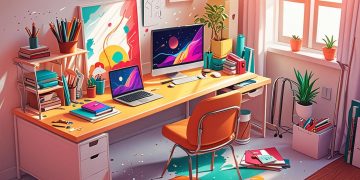
The article explores how minimalism enhances spatial efficiency in study environments, promoting concentration and productivity. By decluttering, utilizing functional furniture, creating task-based zones, and incorporating natural elements, students can transform their learning spaces into tranquil settings that foster focus, reduce anxiety, and improve academic performance.

Interior Design with Minimal Elements: Exploring the Relationship between Aesthetics and Functionality in Compact Spaces

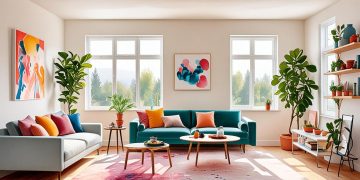
This article explores how minimalism in interior design enhances both aesthetics and functionality in compact spaces. It emphasizes multifunctional furniture, natural light, cohesive color palettes, and smart storage solutions to create serene environments that maximize space. Embracing minimal elements leads to harmonious, stylish living, especially in urban settings.

Reinventing Common Spaces: Minimalist Strategies for Efficiency in Living Rooms and Kitchens

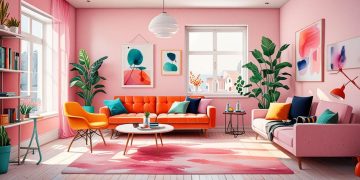
Transform your living rooms and kitchens with minimalist strategies that promote efficiency and harmony. By decluttering, utilizing multi-functional furniture, embracing neutral color palettes, and enhancing layouts, you can create serene, organized spaces that enhance daily living and foster meaningful connections. Discover the power of mindful design for optimal functionality.

The Importance of Lighting in Creating Functional and Efficient Minimalist Environments

Effective lighting is crucial in minimalist environments, enhancing functionality and mood. Emphasizing natural light, task lighting, and accent features fosters both simplicity and efficiency. By mastering various lighting techniques, homeowners can create aesthetically pleasing and harmonious spaces, promoting well-being and productivity in minimalist design.

Master the Art of Letting Go Transform Your Minimalist Lifestyle

Mastering the art of letting go is essential to a minimalist lifestyle. It involves decluttering your space, simplifying possessions, and fostering personal organization. By prioritizing meaningful items and practices, you can enhance mental clarity, reduce stress, and cultivate a serene, focused living environment.

Minimalist Organization Tips to Maximize Space in Small Homes

Discover effective minimalist strategies to transform small living spaces by decluttering and prioritizing essentials. Learn how to maximize space with smart storage solutions, simplify your belongings, and create a more functional, serene environment that enhances both your lifestyle and personal organization.

Maximizing Small Spaces: Efficiency Strategies in Minimalist Environments

Discover effective strategies for maximizing small spaces in minimalist environments. Learn how to utilize multifunctional furniture, optimize vertical space, and embrace smart organization to create a comfortable, functional oasis. Elevate your living experience by enhancing aesthetics while fostering a stress-free atmosphere in compact surroundings.

Functional Organization: How Spatial Efficiency Improves Minimalist Living

Minimalist living thrives on functional organization, maximizing spatial efficiency to create harmonious environments. By reducing clutter and employing smart storage, individuals can enhance mental clarity and productivity. Embracing intentionality in design and regularly reassessing possessions fosters peaceful, organized spaces, aligning with a lifestyle that values quality over quantity.