Effectiveness of Spatial Organization in Promoting Sustainable Habits in Minimalist Lifestyles

The Interplay of Space and Sustainability
In recent years, the rise of minimalist lifestyles has coincided with a growing interest in sustainability. This shift prompts the question: how does spatial organization play a role in cultivating sustainable habits? By rethinking our spaces, individuals are discovering new strategies for reducing waste and enhancing their quality of life.
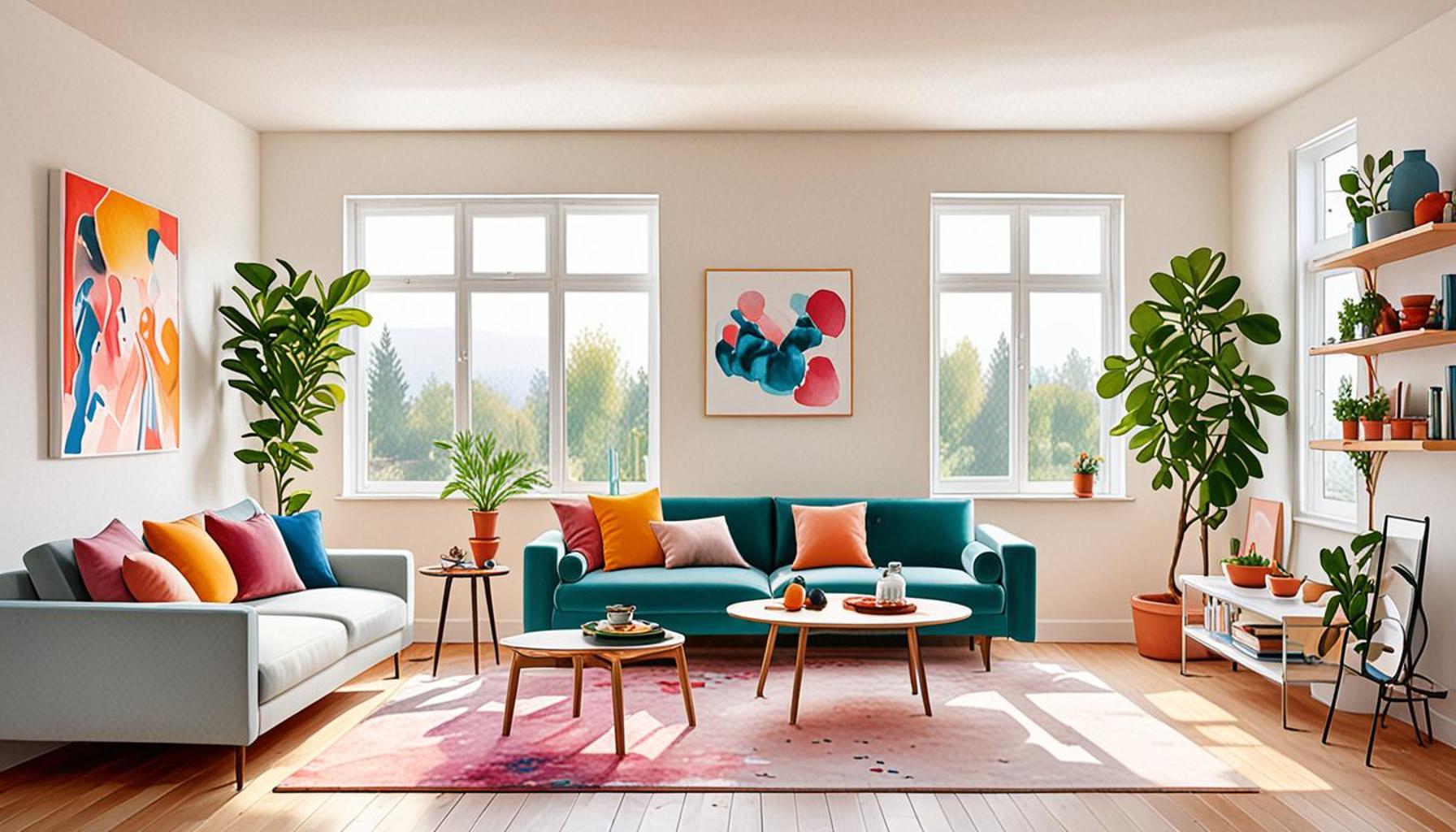
Spatial organization refers to the arrangement of spaces and objects within an environment. It impacts everything from daily routines to energy consumption. Properly arranged spaces can encourage habits that are beneficial for both individuals and the environment. For instance, the design of a home can significantly influence energy consumption; spaces that allow for maximizing natural light can decrease reliance on artificial lighting during the day. Research indicates that homes designed with large windows or skylights not only improve mood but can lower energy bills by up to 30%. Hence, making simple changes to spatial organization can be a practical step towards a more sustainable lifestyle.
Moreover, accessible storage solutions are essential for minimizing clutter, which is a hallmark of minimalist living. By organizing items such as clothing and kitchenware into designated zones, individuals are less likely to make hasty purchases of items they already own. For example, using open shelving in kitchens can promote transparency, allowing individuals to easily see what they have on hand before deciding to buy more ingredients, ultimately reducing food waste.
Another critical aspect of spatial organization involves designating specific areas for recycling and composting. This encourages households to engage actively in reducing landfill waste. By creating a dedicated composting station in outdoor gardens or using compost bins in kitchens, individuals can notice a significant decrease in the amount of trash they produce. The U.S. Environmental Protection Agency (EPA) points out that over 30% of waste in American landfills is organic matter that could have been composted or recycled.
Minimalist lifestyles encourage individuals to prioritize quality over quantity. This transition not only simplifies life but also promotes environmentally friendly practices. Some benefits of adopting spatial organization in minimalist living are:

- Enhanced focus and productivity: A decluttered environment can lead to clearer thinking, enabling individuals to concentrate better on tasks that matter most.
- Decreased consumerism through intentional purchases: When people have a clear sense of the items they truly need, they are less likely to indulge in impulsive buying, which is often driven by marketing tactics that encourage overconsumption.
- Improved emotional well-being by reducing stress from clutter: Living in a neatly organized space can alleviate anxiety, creating a peaceful atmosphere conducive to relaxation and mindfulness.
As more people adopt these practices, the potential for collective impact on environmental sustainability increases. Exploring the effectiveness of spatial organization in promoting sustainable habits can lead to innovative solutions for everyday living. As cities strive for greener initiatives and reduced carbon footprints, the integration of minimalist and sustainable principles within personal spaces can significantly enhance community efforts towards a healthier planet.
DISCOVER MORE: Click here for effective strategies
Transforming Spaces for Sustainable Living
The concept of spatial organization extends beyond mere aesthetics; it significantly shapes how we interact with our environments and influence our behaviors. In a society where consumption patterns deeply affect sustainability, the effectiveness of spatial organization emerges as a powerful tool for promoting sustainable habits. By optimizing the layout and organization of our living spaces, individuals can consciously foster an environment that supports minimalism and sustainability.
One of the most impactful strategies in spatial organization is the zoning of areas according to function. This approach not only streamlines activities but also encourages mindful consumption. For example, creating dedicated spaces for entertainment, work, and relaxation prevents the overextension of belongings into areas of the home that are meant for specific purposes. This delineation minimizes distractions and promotes a more sustainable approach to living. A study by the American Psychological Association found that individuals who spatially organized their environments reported higher levels of satisfaction and reduced stress, both of which contribute to more intentional lifestyle choices.
Furthermore, the integration of eco-friendly materials in spatial design plays a crucial role in sustainability. When choosing furniture or finishes, opting for sustainable materials such as reclaimed wood or recycled textiles not only reduces environmental impact but also emphasizes the minimalist principle of intentionality over excess. Consumers are increasingly drawn to brands that practice sustainability; the 2022 Global Sustainability Survey revealed that over 75% of consumers are willing to pay more for products that align with their ethical values, illustrating a profound connection between spatial choices and broader purchasing behaviors.
In addition to the considerations of function and material, the concept of flexibility in design can’t be overlooked. Spaces that can be easily adapted for multiple uses tend to reduce the demand for additional items. For instance, a sofa bed can fulfill both the roles of a seating area and a guest bed, embodying a minimalist philosophy without sacrificing comfort. This adaptability not only conserves resources by reducing the need for multiple products but also enhances the overall functionality of small living spaces—an important aspect in urban areas where real estate is at a premium.
As we explore these elements, it becomes evident that mindful spatial organization can substantially impact our daily lives and encourage behaviors that promote sustainability. Here are some of the key aspects to consider when examining the effectiveness of spatial organization in supporting minimalist lifestyles:
- Intentional Clutter Management: Keeping spaces organized allows individuals to maintain a clear perspective on what items are truly necessary, minimizing excess.
- Functional Aesthetics: Designed environments foster a sense of peace and purpose, promoting mindful use and appreciation of space.
- Enhanced Sustainability Practices: Well-organized homes facilitate easier recycling and composting behaviors, thus reducing waste generated.
By recognizing the powerful relationship between spatial organization and sustainable habits, individuals can take actionable steps toward not only enhancing their personal living situations but also contributing to a larger framework of environmental responsibility. As our understanding of this relationship deepens, the path towards a more sustainable future becomes increasingly clear.
| Category | Details |
|---|---|
| Clutter Reduction | A minimalist lifestyle emphasizes reducing clutter, which leads to a more organized space and mind. |
| Resource Efficiency | Spatial organization enables one to use resources more efficiently, minimizing waste and fostering sustainable consumption patterns. |
| Mindful Living | Effective organization leads to mindful living, where individuals are more conscious of their environmental impact and lifestyle choices. |
| Emotional Well-being | An organized space can improve mental clarity and decrease stress, promoting healthier habits that align with sustainability goals. |
Spatial organization plays a vital role in fostering a sustainable lifestyle through the establishment of practices that encourage conscious living and efficient resource management. By minimizing clutter, individuals not only enhance the visual aspects of their living spaces but also promote a greater sense of well-being. The clarity achieved in a neatly organized environment can lead to greater mindfulness, helping individuals to focus on what truly matters and make responsible choices about consumption.Moreover, efficiency in organization reflects directly on resource use, creating natural opportunities for eliminating waste. With each item positioned with purpose, the ease of accessing what one needs reduces the tendency for excess purchase and promotes a more sustainable lifestyle. This link between spatial organization and sustainability is a lifestyle philosophy that beckons exploration and adoption, generating interest among those seeking to enhance their living spaces and overall quality of life.
DISCOVER MORE: Click here for essential tips
Innovative Strategies for Sustainable Living Spaces
In the evolving discourse surrounding sustainability, the role of spatial organization is not only essential but also transformative. As more individuals embrace minimalist lifestyles, innovative strategies for organizing spaces have emerged that not only bolster personal well-being but also enhance environmental stewardship. Delving deeper into this phenomenon reveals several practical applications that can shift behaviors toward sustainable living.
One such method is the inclusion of biophilic design in our spaces, which emphasizes a connection to nature through the use of natural elements. By integrating plants into household and workspace designs, individuals benefit from improved air quality and psychological health. Research by the University of Hyogo has shown that incorporating greenery can lead to a 40% reduction in stress levels, thereby encouraging mindfulness and a more intentional approach to everyday life. Furthermore, plants can serve as natural reminders to prioritize sustainability by accentuating the importance of biodiversity and ecological balance.
The concept of multi-functional furniture also emerges as a critical player in spatial organization aimed at sustainability. As urban dwellings become smaller, investing in pieces that can serve multiple purposes—such as an ottoman that doubles as storage—becomes invaluable. According to a National Association of Realtors survey, compact living spaces are on the rise, with 44% of homebuyers expressing preferences for smaller homes. This trend highlights the importance of efficiency in design; furniture that offers versatility not only reduces the need for excess purchases but also promotes a more responsible use of resources.
Equally important is the aspect of digital decluttering, which involves organizing digital spaces alongside physical environments. As society shifts toward increased digital consumption, maintaining a clutter-free virtual space can enhance productivity and mental clarity. Embracing cloud storage for minimizing physical documents and opting for electronic communication significantly reduces paper waste—an often overlooked aspect of sustainability. A report from the Environmental Paper Network found that making the shift to a paperless environment can significantly decrease an individual’s carbon footprint, reinforcing the importance of mindful spatial organization in all realms of life.
Emphasizing community sharing practices also contributes to promoting sustainable habits through spatial organization. Organizing community events such as tool exchanges, clothing swaps, or potlucks fosters a spirit of collaboration and resource-sharing, greatly reducing individual consumption. The sharing economy, as highlighted in a report by the World Economic Forum, not only lessens the burden on the environment by maximizing the use of resources but also strengthens community bonds. Spaces designed for communal activities can enrich relationships while encouraging individuals to adopt sustainable practices.
As we continue to explore the dynamic intersections of spatial organization and sustainable living, further emphasis on culturally relevant and personal expressions of minimalism will emerge. An understanding of one’s surroundings and wellness can lead to conscious choices that cultivate both simplicity and ethical responsibility. Individuals who actively engage in these organizational strategies are not just improving their daily lives; they are contributing to a broader movement toward sustainability in an increasingly resource-conscious world.
DIVE DEEPER: Click here to discover effective organization strategies
Conclusion
In summary, the effectiveness of spatial organization in promoting sustainable habits within minimalist lifestyles is both significant and multifaceted. By embracing innovative strategies such as biophilic design, multi-functional furniture, and digital decluttering, individuals are not only streamlining their personal spaces but also nurturing a deeper connection to their environment. These practices create an atmosphere that encourages mindful living and sustainability, fostering intentional choices that resonate with both personal well-being and ecological responsibility.
The rise of compact living further underscores the necessity for versatile and efficient designs. As more Americans gravitate towards smaller homes, the appeal of adaptable furnishings becomes clear—reducing consumption while enhancing quality of life. Moreover, the shift towards a paperless society highlights the interconnectedness of our digital and physical worlds, empowering individuals to minimize waste across all facets of their lives.
Lastly, community sharing initiatives showcase the power of collaboration in fostering sustainability. By cultivating spaces for resource-sharing, we not only mitigate environmental impact but also strengthen social ties, creating communities centered around shared values. As we look toward an increasingly resource-conscious future, the role of spatial organization will continue to evolve, inspiring new generations to embrace simplicity and sustainability as essential components of daily living. This intricate tapestry of choices ultimately reflects our commitment to a healthier planet and a more fulfilling way of life.