How to Maximize Space in Small Environments with Minimalist Principles
Understanding Minimalism
Living in small environments can often feel challenging, especially when it comes to maximizing usable space. In the fast-paced urban landscapes of the United States, many individuals find themselves confined to apartments or homes that lack generous square footage. This scarcity of space necessitates creative approaches to home organization. Incorporating minimalist principles into your lifestyle is a practical response to these challenges, allowing for a transformation of compact areas into functional and aesthetically pleasing havens. The essence of minimalism is to embrace simplicity while strategically utilizing every available inch of space.
The Power of Decluttering
One of the first steps towards embracing minimalism is engaging in decluttering. This involves a thorough reevaluation of your belongings and deciding what is essential and what can be discarded. Research suggests that people in the United States often accumulate items that serve little purpose, leading to cluttered spaces that can create stress and distraction. By removing unnecessary items, you not only free up physical space but also create a more serene environment. For example, consider using the “one in, one out” rule: each time you bring a new item into your home, take one out. This strategy helps maintain the balance of your belongings.
Embracing Multi-Functional Furniture
Another hallmark of minimalist design is the use of multi-functional furniture. The right pieces can significantly enhance usability in tight spaces. For instance, a sleek sofa bed can transform your living room into a guest room with ease, while an ottoman with built-in storage provides both a seating option and a place to store blankets or books. Additionally, dining tables that extend and fold can be a lifesaver for small dining areas, allowing for flexibility during gatherings without consuming space when not in use.
Utilizing Vertical Space
In small homes, vertical space becomes precious real estate. Walls should not be overlooked; instead, they can be transformed into areas for shelving and hooks. Install floating shelves to display books, plants, or decorative items, which not only keeps the floor area clear but also draws the eye upward, creating an illusion of height. Hooks can be strategically placed for hanging bags, coats, or even artwork, making them functional elements of your design rather than clutter.
The Impact of Color
The color scheme in a space can greatly affect its perceived size. A neutral color palette, featuring light hues like whites, pale grays, or soft beiges, can make a room feel larger and more inviting. These colors reflect light, creating an airy atmosphere that can help alleviate the feeling of confinement often found in small spaces. Adding pops of color through accessories or artwork can still allow for personal expression without overwhelming the minimalistic approach.
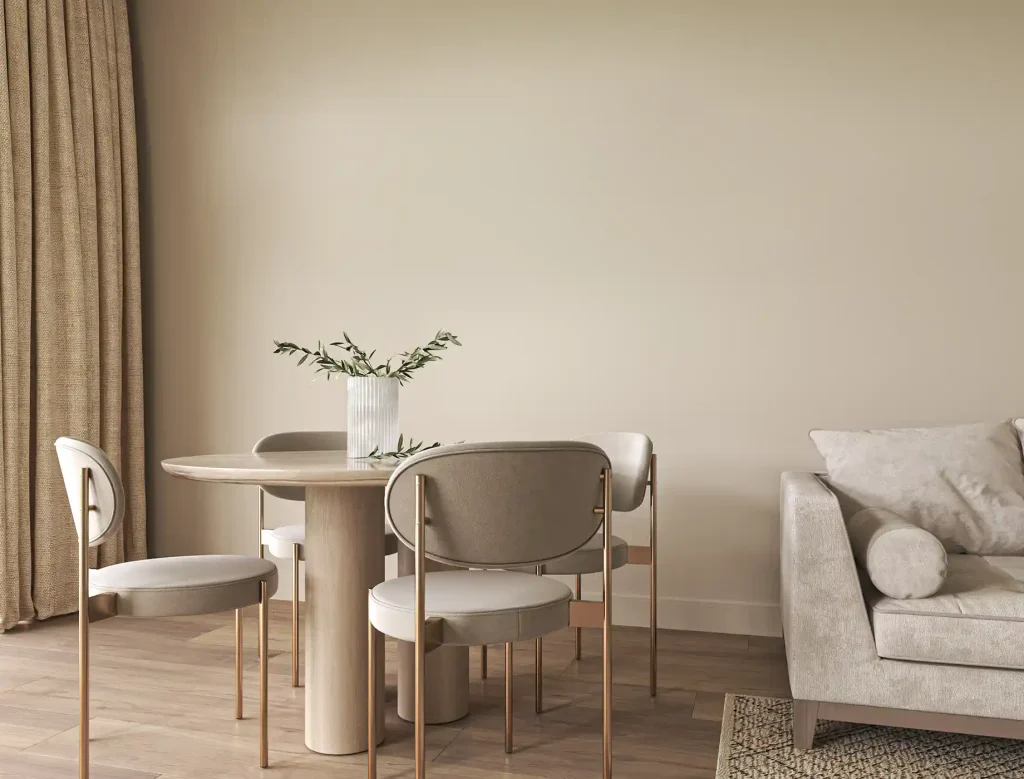
By implementing these essential principles of minimalist design, one can create an environment that promotes relaxation and clarity in bustling urban settings. Focusing on quality over quantity not only encourages a more organized living space but also reflects personal style tailored to the needs of modern life. Prepare to explore more ways to discover the art of minimalism and how it can help you cultivate a sophisticated yet practical living area that serves you well amidst the challenges of limited space.
DISCOVER MORE: Click here to learn how mindful living can enhance your lifestyle</
Prioritizing Functionality with Minimalism
When seeking to maximize space in compact living areas, understanding the intersection of functionality and minimalism becomes paramount. Minimalist principles prioritize an environment where every item serves a purpose, ensuring that your space feels organized and purposeful. The key to achieving this is not just through the removal of excess items but through strategic choices that enhance livability and drive efficiency in everyday tasks. Below are essential strategies that embody this approach:
Rethinking Storage Solutions
In small environments, traditional storage methods often fall short, leaving residents scrambling to find adequate spaces for their belongings. To truly embrace a minimalist lifestyle, consider innovative storage solutions that not only save space but also maintain aesthetic appeal. Here are some effective ideas:
- Under-Bed Storage: Utilize boxes or drawers designed to fit under your bed. This area is often overlooked, yet it can house seasonal clothing, shoes, or even extra linens without sacrificing visible space.
- Built-In Cabinets: If possible, opt for built-in shelving or cabinets that seamlessly integrate into the room’s architecture, eliminating wasted space while providing ample storage options.
- Creative Use of Containers: Decorative baskets or boxes can enhance the look of your space while serving as stylish storage options. Use them for items like magazines, children’s toys, or craft supplies, effectively keeping clutter contained.
The Art of Zoning
Even in a small environment, it’s crucial to create defined areas for different activities, promoting functionality without overwhelming the senses. This concept, known as zoning, involves designating specific sections of your home for work, rest, and play while optimizing their individual purposes. Here’s how you can implement zoning effectively:
- Area Rugs: Using area rugs can help delineate spaces within a room. For instance, a rug under the dining table clearly defines that area within a combined living and dining room.
- Furniture Arrangement: Positioning furniture to create distinct areas encourages usage. For example, angle a couch or chairs to form a cozy conversation nook while keeping other parts open for movement.
- Lighting: Different lighting styles can enhance zoning. A pendant light over a dining table can highlight the eating area, while task lighting in workspaces provides focused illumination for productivity.
Streamlining Daily Routines
Minimalism isn’t just about your physical environment; it also encompasses the organization of your daily life. Streamlining your routines to reflect minimalistic values can optimize both efficiency and mindset. Start by:
- Establishing Routines: Determine a daily routine that minimizes chaos. Allocating specific times for cleaning, organizing, and even relaxing can lead to a more functional living space.
- Digital Decluttering: Extend minimalism into your digital life. Organizing files, deleting unused apps, and creating a streamlined digital workspace can drastically improve focus and productivity.
- Mindful Consumerism: Before making new purchases, consider their true necessity and long-term value. This mindset will contribute to a more minimalist lifestyle while preventing unnecessary clutter.
By adopting these functional strategies rooted in minimalist principles, individuals living in limited spaces can not only enhance their environment but also cultivate a sense of calm amidst the chaos typical of urban living. Embracing the philosophy of ‘less is more’ transcends physical clutter, opening the door for a lifestyle that encourages simplicity and fulfillment.
Creative Strategies for Space Maximization
When dealing with small environments, embracing minimalist principles can significantly enhance both functionality and aesthetics. One effective strategy to consider is the use of multipurpose furniture. This includes items like sofa beds, nests of tables, and ottomans with storage. These pieces not only save space but also reduce clutter, creating a more open atmosphere. Furthermore, choosing foldable or expandable furniture allows you to adjust your living area according to your needs, making it versatile for entertaining guests or enjoying solitude.Another key component of maximizing space is the arrangement and organization of belongings. Vertical storage solutions, such as wall-mounted shelves and hanging organizers, can free up floor space while providing ample room for items. Additionally, implementing a decluttering routine—where you regularly evaluate and donate items you no longer use—ensures that you keep only what is necessary. Natural light plays a critical role in the perception of space. Using light colors for walls and furnishings can reflect sunlight, making the area feel larger and more inviting. Incorporating mirrors strategically can also create an illusion of depth, visually expanding your small space.Lastly, adopting a minimalist mindset involves recognizing that less is more. This principle encourages you to focus on quality over quantity. By investing in fewer, high-quality items that truly serve a purpose, you not only maximize your space but also enhance overall living conditions. The outcome is a harmonious, clutter-free environment that radiates tranquility and efficiency.
DIVE DEEPER: Click here to learn how minimalism can improve your time and task management
Enhancing Aesthetics through Minimalist Design
Maximizing space in small environments requires not just a focus on functionality but also an appreciation of aesthetic appeal through minimalist design principles. The integration of style and simplicity creates an inviting atmosphere that complements a streamlined lifestyle. Below are strategies that can simplify your surroundings while ensuring they remain visually engaging:
Color Schemes and Textures
Embracing a cohesive color palette can profoundly affect how spacious an environment feels. Lighter shades tend to reflect light, creating an illusion of more space. Here are some suggestions to elevate your space:
- Monochromatic Colors: Utilizing varying shades of a single color can provide depth without overwhelming the senses. This technique prompts a sense of tranquility and continuity.
- Accent Walls: An accent wall in a bold color or pattern can add character to a small room without cluttering the visual space. It creates a focal point that draws the eye and enriches the overall design.
- Textured Elements: Incorporating different textures—such as a plush rug, smooth ceramics, or rustic wood—adds layers to the decor without needing excessive items or furniture. Texture enriches the aesthetic while maintaining a minimalist feel.
Multipurpose Furniture Choices
Furniture plays a pivotal role in maximizing space while adhering to minimalist principles. Selecting multipurpose pieces can greatly enhance utility in compact spaces. Consider the following:
- Foldable or Expandable Tables: These versatile options allow for dining or work when needed but can be compacted to free up precious floor space. They are perfect for entertaining while minimizing physical footprint.
- Sofa Beds: Ideal for small living rooms or studios, a sofa bed provides seating during the day and transforms into a comfortable bed at night—perfect for guests without sacrificing room efficiency.
- Storage Ottomans: Combining style and function, these pieces can serve as footrests, extra seating, and storage for blankets or books, offering an elegant approach to organization.
Embracing Minimalist Decor
A minimalistic approach to decor revolves around the mantra of ‘less is more.’ Intentionally choosing decor that complements the space can highlight your style without the clutter. Here are some recommendations:
- Statement Artwork: A single large piece of artwork can anchor a room and provide visual interest without the chaos of multiple smaller items that may overcrowd the walls.
- Natural Elements: Incorporating plants can bring life to a minimalist space. A few well-placed potted plants can enhance air quality while adding vibrancy without creating clutter.
- Functional Decor: Objects like stylish wall clocks or artistic light fixtures can serve practical purposes as well, seamlessly blending utility with aesthetics.
Adopting these practices enhances the experience of living in small environments while promoting the philosophy of minimalism. By focusing on aesthetics through intentional design, individuals can achieve a balance that respects both space and style, allowing their homes to reflect a harmonious lifestyle free from overwhelming clutter.
DISCOVER MORE: Click here to learn effective space-saving strategies
Conclusion: Crafting Functional and Beautiful Small Spaces
In the quest to maximize space in small environments, embracing minimalist principles emerges as both a necessity and a lifestyle choice. By prioritizing simplicity, consumers can transform limited areas into functional masterpieces that reflect their personal style. The blend of the right color schemes and meaningful decor contributes not only to the visual expansion of a space but also enhances the overall sense of calm and organization.
The careful selection of multipurpose furniture can dramatically increase utility without overwhelming your living space. As illustrated in the various strategies outlined, each choice — from foldable tables to stylish storage solutions — serves a dual purpose that aligns with the minimalist ethos. Furthermore, the integration of natural elements and statement pieces not only beautifies the environment but enriches residents’ well-being, promoting mental clarity and focus.
Ultimately, adopting a minimalist approach is about creating an environment that nurtures rather than stifles. As you explore these principles, remember that the journey of maximizing space is deeply personal and should reflect your unique lifestyle. With intentional design and thoughtful choices, small spaces can be transformed into stylish sanctuaries that inspire and invigorate. Embrace minimalism as a way of living—where every element serves a purpose—and witness the profound impact it can have on your day-to-day life.