Interior Design with Minimal Elements: Exploring the Relationship between Aesthetics and Functionality in Compact Spaces
Embracing Minimalism in Interior Design
The contemporary shift towards minimalism in interior design emphasizes the adage that less truly becomes more. With urban living on the rise, particularly in densely populated cities like New York and San Francisco, many individuals find themselves navigating limited living spaces. In such environments, the challenge becomes how to merge aesthetics and functionality to create a living space that not only looks appealing but also enhances daily life. The minimalist philosophy serves as a guide in achieving this balance, encouraging individuals to reevaluate their surroundings and prioritize what truly adds value to their lives.
Minimalism revolves around essential elements, which are crucial in fostering a serene and enjoyable living atmosphere. This design approach is built on foundational principles such as:
- Simplicity: Simplicity is characterized by clean lines and uncluttered spaces. For instance, Scandinavian design is a prime example, utilizing light woods and simple forms to create a serene ambiance.
- Functionality: In minimalism, each item serves a purpose beyond mere decoration. For example, a stylish ottoman can double as storage, accommodating both form and function.
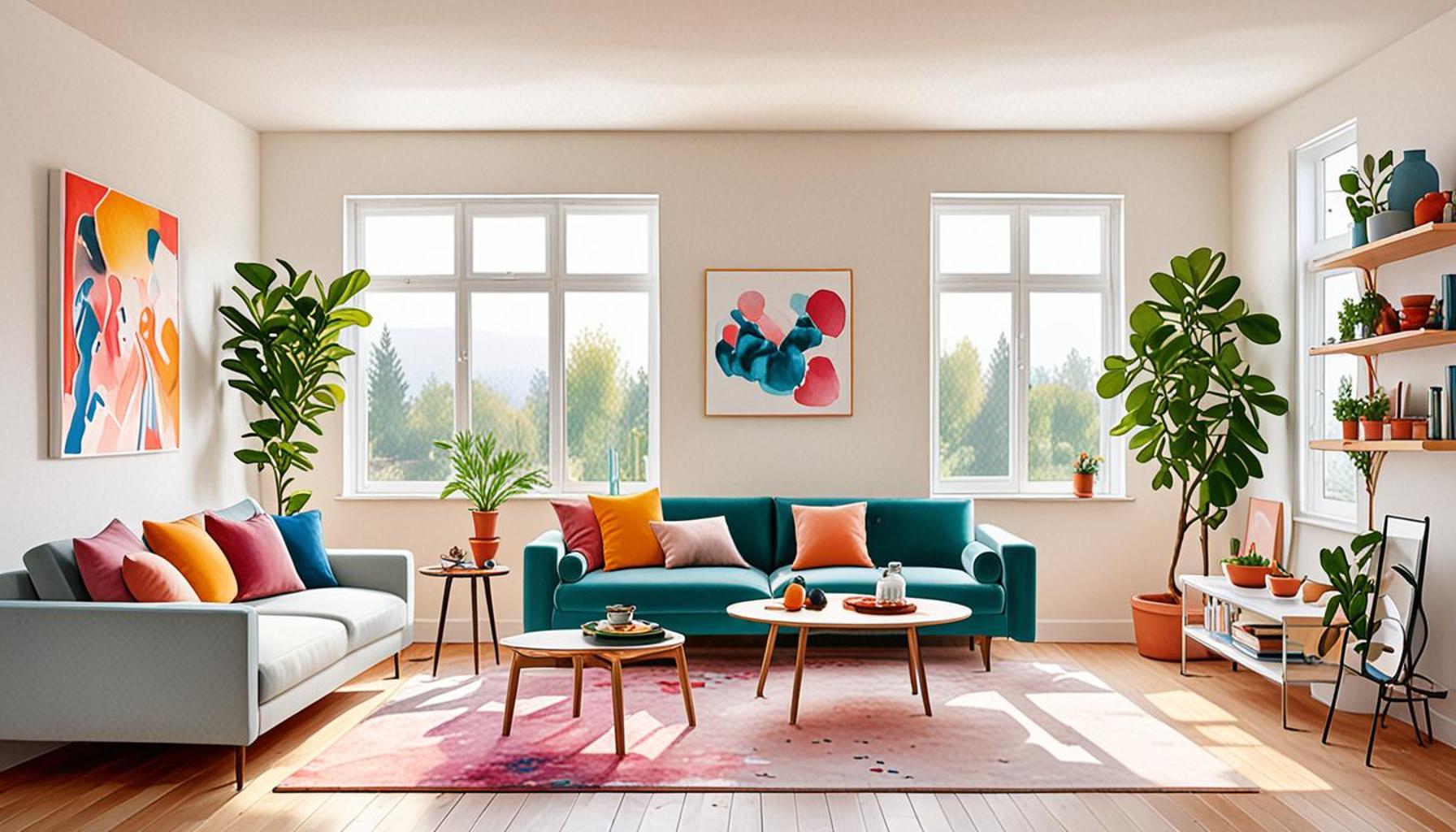
- Natural Light: Maximizing natural light allows small spaces to feel more open and inviting. Large windows, light-colored walls, and strategically placed mirrors can amplify brightness throughout a room.
As urbanization continues, especially in the United States, understanding the synergy between design elements is increasingly vital. Compact apartments, micro-living spaces, and tiny homes are no longer niche but are emerging as solutions to the housing crisis. These environments compel us to innovate and think creatively about space utilization, ensuring that every square foot contributes positively to the overall living experience.
Transforming Spaces with Minimal Strategies
Minimal interior design strategies are effective transformators, allowing small areas to feel spacious and welcoming. Here are a few techniques that can be applied:
- Incorporate multifunctional furniture: Pieces like foldable tables or sofa beds not only save space but also adapt to various needs, making them ideal for dynamic living environments.
- Employ strategic color palettes: Utilizing a cohesive and subtle color scheme can help create an illusion of larger, airy spaces. For instance, soft pastels or neutral shades can reflect light while inducing a feeling of calm.
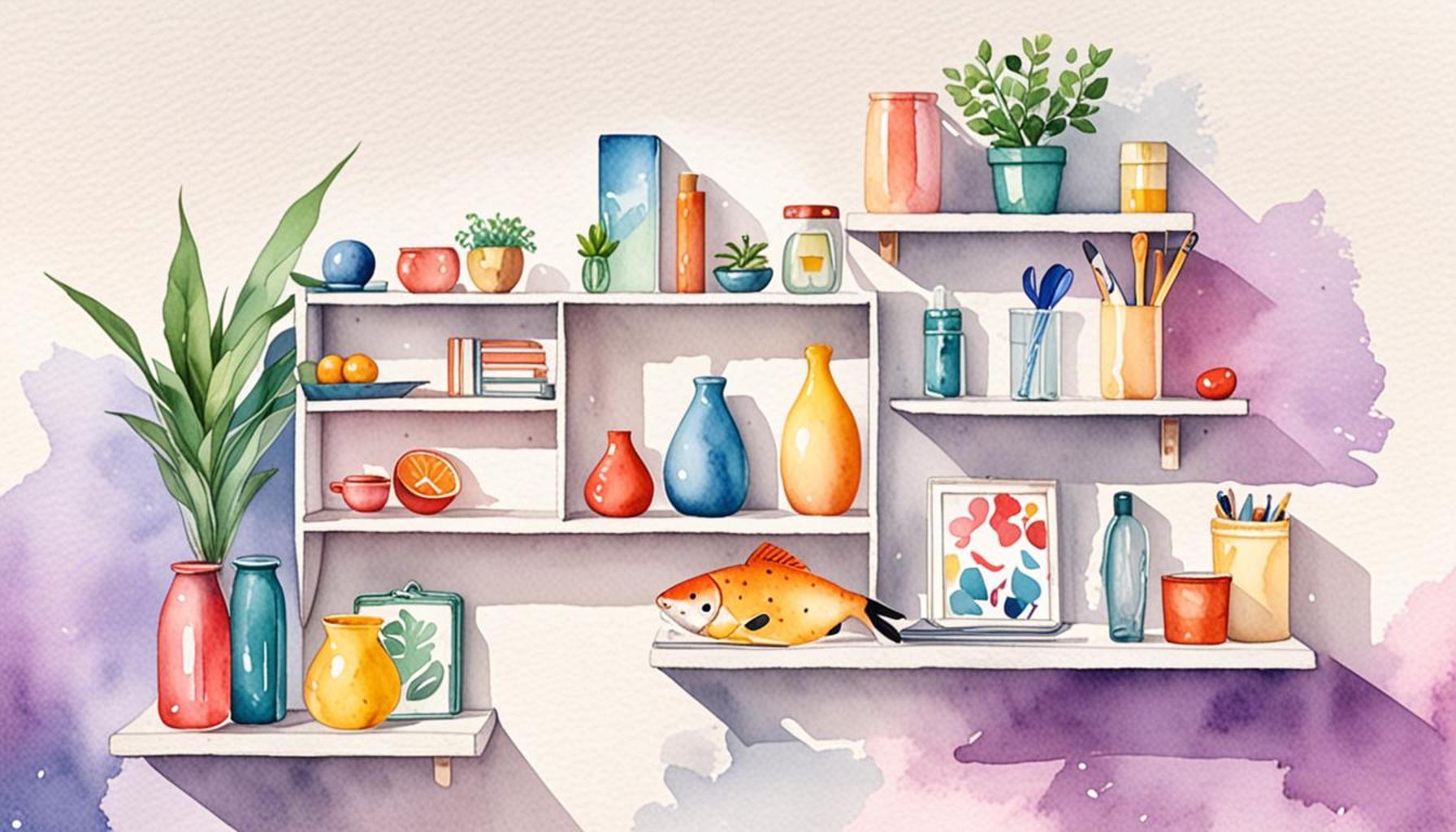
- Utilize vertical space: By adding shelves above eye level, homeowners can draw the eye upward, which creates a sense of depth and dimension in otherwise confined areas.
This exploration of minimalism not only emphasizes aesthetic appeal but also highlights significant practical benefits for individuals living in constrained environments. As more people seek innovative design solutions that maximize their living spaces, the principles of minimalism will likely continue to influence the way we approach interior design. By understanding and implementing these strategies, one can enjoy a harmonious living space that transcends the limitations of size and environment.
DISCOVER MORE: Click here to learn how minimalism can boost your productivity
Strategies for Maximizing Aesthetics and Functionality
The interplay between aesthetics and functionality is paramount in achieving an effective minimalist interior design, especially in compact spaces. As the demand for urban living spaces intensifies, designers and homeowners alike are turning to innovative solutions that not only enhance the visual appeal of their homes but also provide practical and efficient use of space. This focus on transforming limited living areas into multifunctional sanctuaries is key to embracing the minimalist philosophy.
One of the most impactful strategies in minimalist design is the careful selection of multifunctional furniture. This involves opting for pieces that serve more than one purpose, which is essential in smaller environments. For instance, a dining table can be extended for formal gatherings, while a sleek coffee table may incorporate hidden storage compartments. This duality allows for the retention of a clean, clutter-free environment while ensuring that every piece of furniture contributes to the overall functionality of the space.
In addition to furniture choices, the incorporation of natural light plays a crucial role in enhancing both the aesthetics and functionality of compact living areas. Well-placed mirrors can amplify sunlight, creating an illusion of spaciousness, while light-filtering curtains allow for privacy without sacrificing brightness. Large windows and open layouts are highly sought after to foster an airy feel, making the transition between indoor and outdoor environments seamless. Such openings not only create visual continuity but also promote mental well-being by connecting inhabitants with the outside world.
Smart Storage Solutions
Another vital component for achieving a minimalist design is the implementation of smart storage solutions. In small spaces, the risk of clutter is heightened, making it essential to integrate storage options that conceal items while maintaining the aesthetic integrity of the design. Here are some effective strategies:
- Built-in cabinetry: Custom cabinetry can be designed to fit snugly in corners or under stairs, utilizing every square inch efficiently without overpowering the overall decor.
- Under-bed storage: Beds with raised frames or those built with drawers underneath can hold seasonal clothing or extra linens, keeping the main living areas free from excess items.
- Wall-mounted shelves: Open shelving can display decor, books, and essentials, allowing for easy access while also attracting the eye upward, thus drawing attention to the vertical space.
By prioritizing these elements within the minimalist framework, individuals can successfully blend aesthetics and functionality, creating a harmonious environment that celebrates simplicity without compromising on style. This approach not only addresses the immediate need for more livable spaces in urban settings but also reflects a broader cultural shift towards sustainable living, where every item carries significance. As designers and homeowners continue to explore these innovative strategies, the essence of minimalism will undoubtedly evolve, offering fresh perspectives on how to thrive in compact interiors.
Exploring Space Efficiency through Minimalist Design
The adoption of minimal elements in interior design does not merely revolve around aesthetics; it is a profound exploration of how spaces function efficiently. In compact environments, every square inch counts, making it essential to integrate beauty and practicality. Minimalist design emphasizes functionality while eliminating excess, giving rise to a harmonious living experience.
Emphasis on Natural Light
One of the most significant advantages of a minimalist approach is the accentuation of natural light. Open layouts devoid of heavy decor allow light to permeate the space, creating an inviting atmosphere. Designers often recommend using transparent materials like glass and open shelves that make rooms feel larger and more air-conditioned. This emphasis on light can significantly impact mood and well-being, offering a serene ambiance.
Multipurpose Furniture
In compact spaces, the incorporation of multipurpose furniture is pivotal. Designers creatively transform ordinary pieces into essential tools that maximize utility, such as foldable tables, convertible sofas, and built-in storage. These innovations not only save space but also promote an uncluttered environment that enhances focused living.
The Role of Color and Textures
Minimalism doesn’t imply monotony; instead, it opens avenues for captivating color palettes and textures. The strategic use of color can add depth to spaces while maintaining simplicity. Designers often opt for neutrals and pastels, interspersed with bold accents to create focal points. Textural contrasts—like a sleek leather couch accompanied by a plush rug—further enrich the visual composition without overwhelming the senses.
Creating Visual Balance
The art of minimalism lies in achieving visual balance. This is done through the conscious placement of essential elements—furniture, art, and decor—ensuring that each piece serves a purpose. Negative space is just as important as elements within a room, and a well-placed mirror can amplify the perception of space, creating a feeling of openness while reflecting key design features.In navigating this intricate relationship between aesthetics and functionality, it’s vital to consider how minimal elements can enhance daily life. A well-designed compact space not only reflects personal style but also supports practical living. As we delve deeper into this design ethos, we uncover a world of endless possibilities where beauty meets function seamlessly.
DIVE DEEPER: Click here to uncover the secrets of mindfulness
Creating a Cohesive Color Palette
A well-thought-out color palette can be a powerful tool in minimalist design, significantly affecting both aesthetics and functionality in compact spaces. The strategic use of colors can create an illusion of depth and dimension, essential for preventing a room from feeling cramped. Neutral tones, such as whites, beiges, and soft grays, can expand visual horizons, while bold colors can be effectively used as accents to draw attention to specific areas or features.
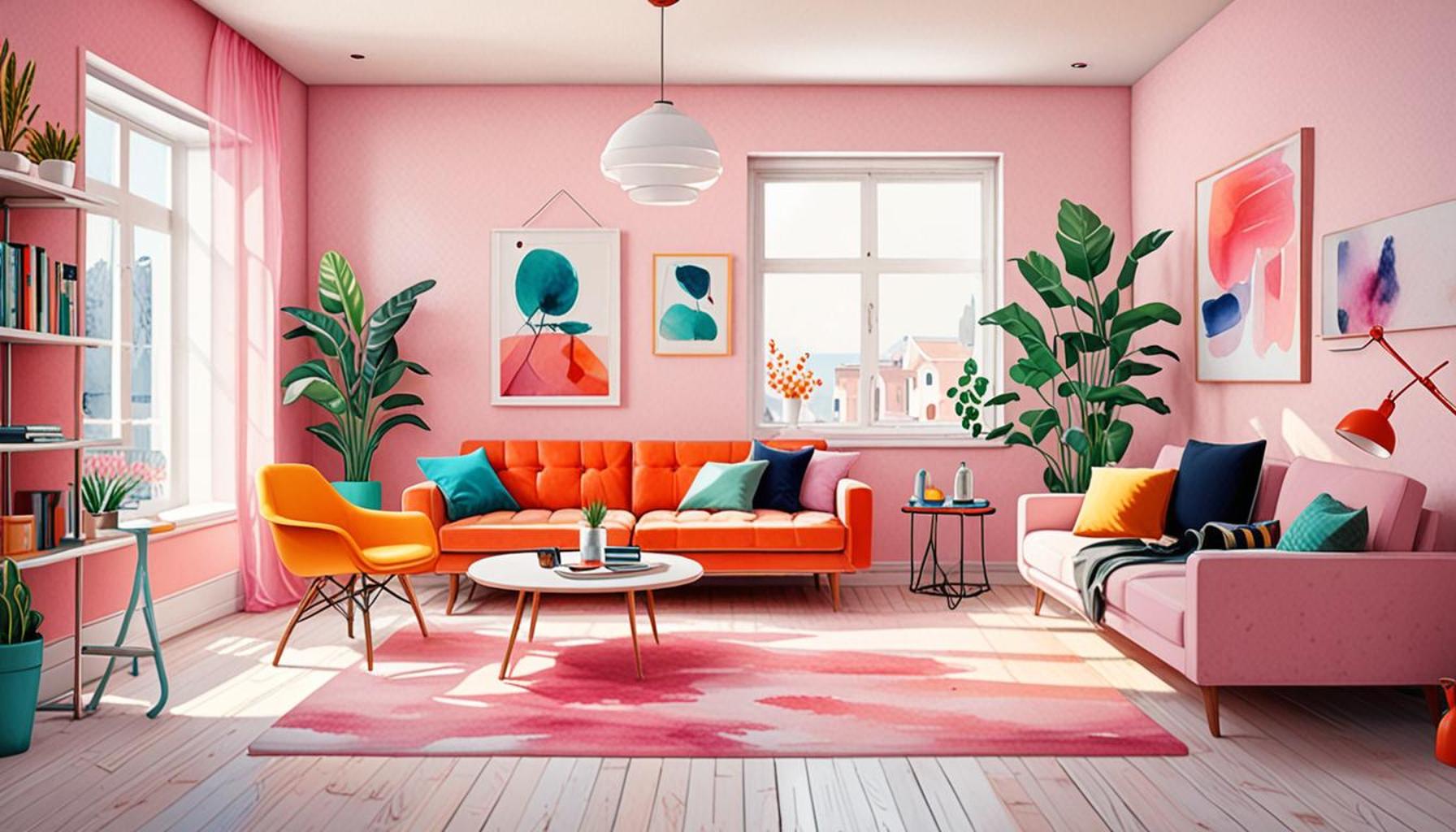
For example, consider painting one accent wall a deep hue to create a focal point in an otherwise understated room. This not only enhances the visual interest but also carves out zones within an open-plan space. The careful coordination of colors further establishes a sense of harmony throughout the interiors. Textiles, wall art, and decorative accessories can be selected to complement this palette without overwhelming the eye, thus enhancing the balance between simplicity and richness.
Incorporating Natural Elements
In addition to color, natural elements can amplify the minimalist ethos in interior design by bridging aesthetics and functionality. Materials such as wood, stone, and metal resonate with the organic feel that minimalism often aims to achieve. For instance, reclaimed wood can add warmth and texture to a small living room, while polished concrete surfaces create a contemporary edge.
Integrating indoor plants into compact spaces also promotes a connection to nature, offering both visual appeal and improved air quality. Vertical gardens or small potted plants atop shelves serve practical purposes without consuming valuable floor space. This incorporation of biophilic design principles reflects a contemporary awareness of sustainability and wellness, allowing residents to thrive even in confined environments.
Smart Lighting Solutions
The importance of lighting cannot be overstated when it comes to minimalist interior design. The strategic placement of lighting fixtures can dramatically transform the ambiance and functionality of compact spaces. For example, a combination of ambient, task, and accent lighting can create layers that enhance both visual depth and usability.
Smart lighting solutions, such as dimmable LED bulbs or smart home systems, allow homeowners to control the intensity and color of their lighting to evade stark contrasts that can compromise the minimalist aesthetic. The use of pendant lights with simple geometrical shapes or recessed lights contributes to a clean ceiling profile while maintaining brightness in essential areas like kitchens and study spaces. These lighting techniques also play a crucial role in defining the purpose of individual areas within an open layout.
Embracing Open Space Concepts
Finally, embracing an open space concept is fundamental in achieving a minimalist design that harmonizes aesthetics and functionality. Removing unnecessary walls or barriers creates a fluid transition between different zones, allowing for better movement and more natural light distribution. Open spaces can be divided by using furniture arrangements or floor rugs, facilitating both privacy and a sense of intimacy.
The incorporation of sliding partitions or foldable walls can also provide flexibility, allowing residents to alter the size of spaces based on their needs. This adaptability serves to emphasize the multifunctional nature of minimalist design in urban settings, illustrating that compact living can be both stylish and highly practical.
DIVE DEEPER: Click here to learn more about mastering your time
Conclusion
In the realm of interior design with minimal elements, the intricate relationship between aesthetics and functionality becomes particularly evident in compact spaces. The principles of minimalism advocate for a design approach that transcends mere decoration, focusing instead on creating environments that are both visually appealing and functionally effective. By employing a cohesive color palette, incorporating natural elements, utilizing smart lighting solutions, and embracing an open space concept, homeowners can transform limited square footage into harmonious and purposeful living areas.
As residents of urban environments increasingly face space limitations, the need for such multifunctional designs has never been more critical. The minimalist approach does not simply lighten the visual clutter but also enhances the users’ experience, promoting a sense of tranquility and clarity. Every choice, from the materials used to the placement of furniture, contributes to the overall ambiance, allowing for practicality without sacrificing style.
For anyone looking to redefine their living space, the exploration of minimalism offers insightful pathways to blend style with purpose. By diving deeper into these principles, individuals can discover innovative solutions that align personal aesthetic preferences with the necessity of efficient living. The journey of creating a minimalist interior is not just about reducing excess; it’s about enriching one’s environment and embracing a lifestyle that celebrates simplicity and elegance.