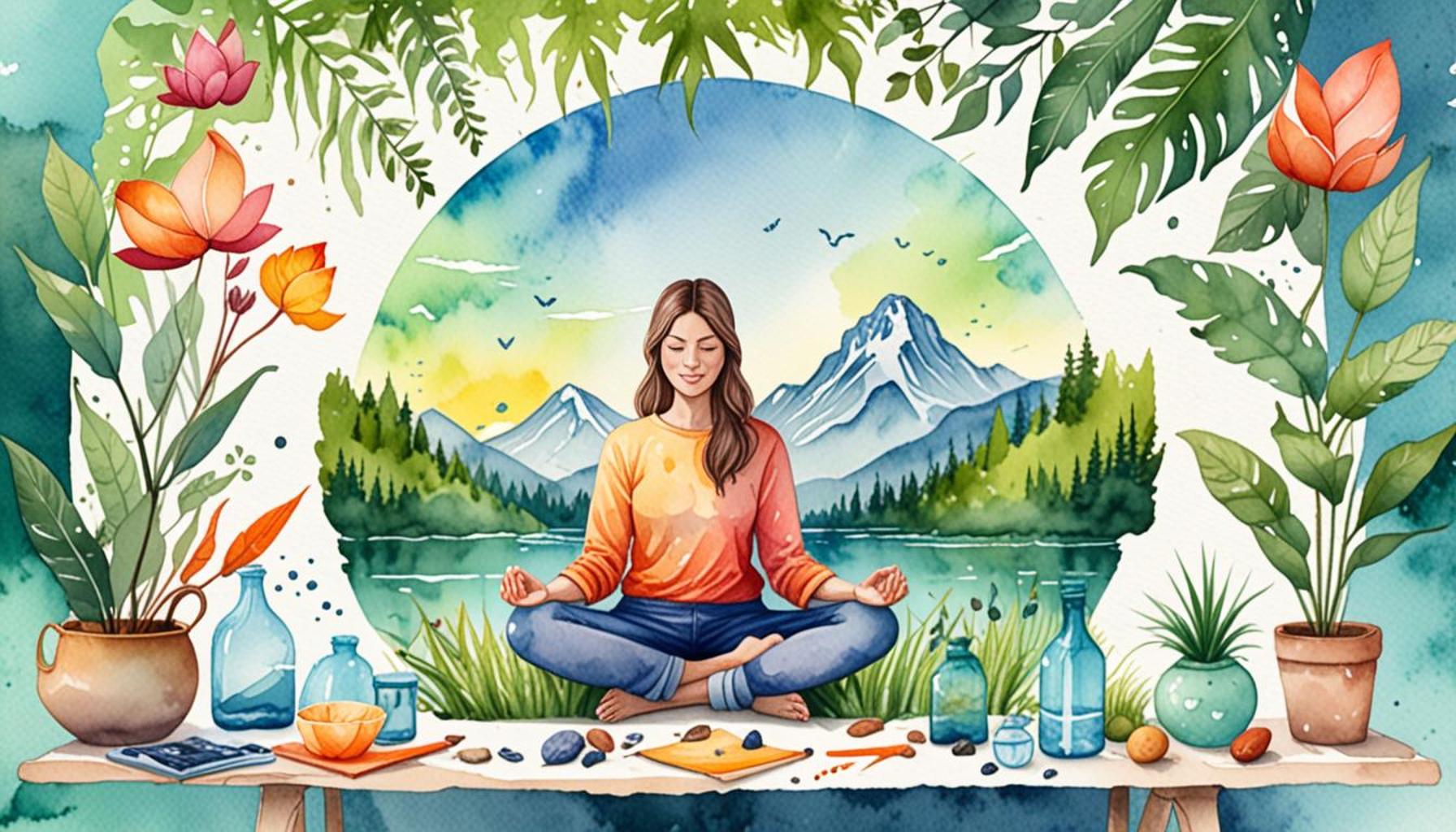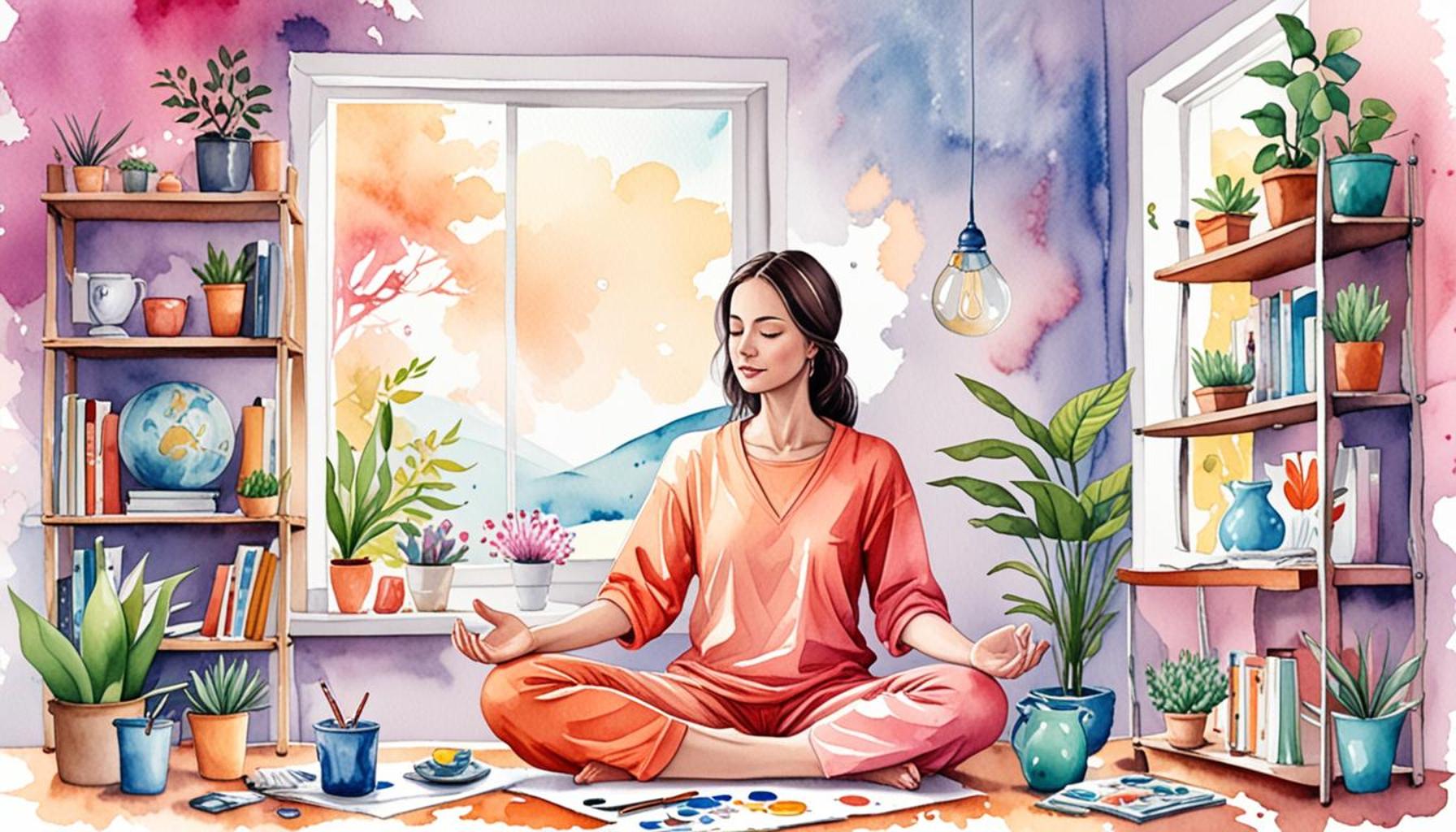
Mastering Intentional Living Blend Mindfulness with Minimalism
Embracing a Thoughtful Lifestyle
In today’s fast-paced world, the quest for balance and clarity has never been more vital. More individuals are turning to the principles of minimalism and mindful living as a guiding light, seeking to strip away the unnecessary and focus on what truly matters. By combining these two philosophies, one can cultivate a life filled with purpose, joy, and intentionality.
The Relevance of Mindful Minimalism
Integrating mindful living with minimalism offers a unique approach to personal organization. This synergy allows people to:
- Reduce stress by eliminating distractions.
- Enhance focus on meaningful experiences.
- Cultivate gratitude for the present moment.
As we delve deeper into this compelling intersection, you’ll discover tips and insights that can transform your daily life. Stay tuned for our Top 5 strategies that will guide you in mastering intentional living through this powerful blend of concepts.
A Arte de Viver com Intenção: Integrando Mindful Living ao Minimalismo
In today’s fast-paced world, distractions are abundant, and the need to live with intention is more pressing than ever. The synergy of mindful living and minimalism presents an opportunity not just to simplify life but also to deepen one’s understanding of existence. This intentional living fosters awareness of the present moment, leading to a life enriched with purpose, clarity, and simplicity. This article delves into five core strategies to weave intentional living into your minimalist lifestyle, arranged from the fifth most impactful to the most paradigm-changing approach.
5. Declutter Your Mind
The journey towards a minimalist lifestyle starts within. The mind, much like any physical space, can become cluttered with an overabundance of thoughts, concerns, and preconceived notions. Mindfulness meditation emerges as a powerful tool in this regard, providing a means to achieve clarity and focus. Begin with short meditations of five minutes each day, gradually extending as your comfort grows.
- Learn to let go: The mind, when overloaded with worries and unnecessary thoughts, becomes a hindrance. Confront these thoughts, acknowledge their presence, and then release them.
- Practice gratitude: By consciously acknowledging positive aspects of life, you shift focus from the overwhelming noise of the everyday. Gratitude journals can be helpful in this practice, serving as a constant reminder of what truly matters.
- Create a mantra: Mantras rooted in your value system can guide your mind towards aligned thoughts, providing mental clarity and calm.
This mental decluttering is foundational, setting the stage for broader intention and purpose in life.
4. Create a Purposeful Environment
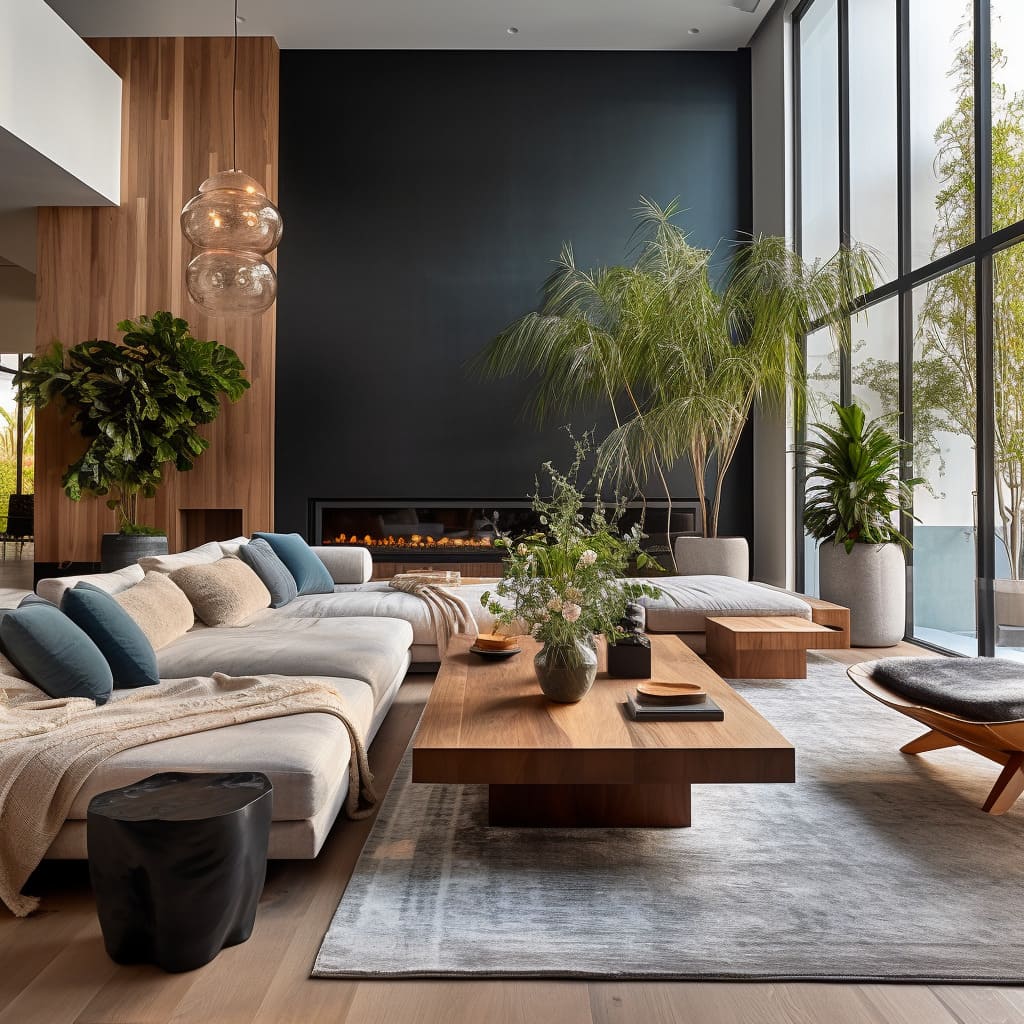
The environment you inhabit has a profound impact on your psychological and emotional well-being. A thoughtfully organized living space reflects your inner values and intentions, while a cluttered space can exacerbate stress and confusion. Start by evaluating the items around you, identifying those that no longer bring joy or serve a purpose.
Consider these essential elements when shaping a purposeful environment:
- Natural light: Maximize the presence of natural light to enhance mood and encourage a sense of optimism and energy.
- Natural materials: Incorporate organic materials such as wood, cotton, or stone that connect you to the natural world and ground your space.
- Functional furniture: Choose pieces that marry form and function, ensuring they are aesthetically pleasing and practical.
Through intentional design of your living spaces, you foster an atmosphere that naturally guides you toward a more centered and meaningful life.
3. Prioritize Self-Care
Intentional living is synonymous with self-care—prioritizing your mental and physical health is central to this practice. More than indulgence, self-care ensures sustained well-being, permitting you to invest energy into purposeful living. Establish regular self-care routines that nurture both mind and body.
- Mindfulness eating: Focus on the sensory experience of eating. Savor each bite, appreciate the flavors and textures, and consider the nourishment you’re providing to your body.
- Physical activity: Regular movement, tailored to your preferences, such as yoga or cycling, enhances physical well-being and mental clarity.
- Total downtime: Carve out moments solely for rest, where you allow yourself to exist without an agenda, facilitating mental and physical restoration.
Elevating self-care as a priority aligns you more closely with your intentions, fostering a more invigorated and purposeful existence.
2. Set Clear Intentions
Intentional living means moving from reaction to proactive direction. Establishing clear intentions directs your energy and decisions towards desired outcomes in various aspects of life. Allocate time to deliberate what you aim to achieve, whether it concerns career, personal evolution, or interpersonal relationships. Writing these down is a powerful step.
- Short-term goals: Concentrate on attainable objectives within a near timeframe, offering clear milestones and motivation.
- Long-term vision: Cultivate a vivid image of your ideal life five or more years into the future, serving as an aspirational guide.
- Regular review: Intestinal review and recalibration of your intentions are vital, ensuring they remain relevant and aligned with your evolving life path.
By directing life through thoughtful intention setting, you amplify the potential for an existence that prioritizes meaning and deliberate choice.
1. Embrace the Present Moment
The cornerstone of integrating mindful living with minimalism is embracing and celebrating the present moment. Immersing oneself entirely in the “now” fosters gratitude, reduces stress, and strengthens your bond with your everyday life. It transcends mere awareness; it cultivates a sincere appreciation for life’s transient beauty.
Aim to incorporate these practices to center yourself in the present:
- Mindful breathing: Use deep, conscious breaths to anchor yourself amidst life’s hustle, returning focus to the immediacy of your environment.
- Limit digital distractions: Schedule intentional breaks from technology to reduce interruptions, creating space for genuine engagement with activities and people around you.
- Engage fully in daily tasks: Treat each daily routine, whether mundane or complex, as an opportunity for mindfulness, finding wonder in every moment.
Mastering the art of presence not only alleviates mental clutter but transforms the ordinary into the extraordinary, reinforcing a life lived with intention.
| Category | Details |
|---|---|
| Mindfulness Practices | Engaging in practices such as meditation, deep breathing, and mindful eating enhances your awareness of the present moment, allowing for improved decisions regarding consumption and lifestyle choices. |
| Minimalism in Lifestyle | Adopting a minimalist lifestyle reduces clutter, both physically and mentally. This can lead to enhanced clarity and focus on what truly matters in life, fostering personal growth. |
| Sustainability | Mindful living encourages sustainable practices. By being intentional about what you consume, you can help reduce your carbon footprint and contribute to a healthier planet while still leading a fulfilling life. |
| Enhanced Well-being | Both mindful living and minimalism contribute to increased emotional well-being. By focusing on experiences rather than possessions, individuals often find greater satisfaction and happiness. |
Frequently Asked Questions About Living with Intention and Minimalism
What does it mean to live with intention?
Living with intention involves making conscious choices that align with your values and goals. It requires a deliberate approach to daily decisions, ensuring that your actions reflect what is truly important to you. By integrating mindful living into your routine, you are effectively enhancing your awareness of the present moment. This approach can often lead to deeper clarity and fulfillment, as you begin to focus on what genuinely matters rather than getting caught up in the noise of modern life.
How can mindful living complement minimalism?
Mindful living and minimalism are two philosophies that naturally align. While minimalism encourages you to declutter and simplify your physical space, mindful living invites you to apply that same clarity and focus to your mental space. By practicing mindfulness, you become more aware of your surroundings and possessions, leading to more intentional living. This synergy helps to cultivate a balanced lifestyle that prioritizes quality over quantity, fostering a deeper sense of contentment.
What are some practical steps to start integrating these concepts into daily life?
Begin by evaluating your possessions and routines, identifying areas where you may apply both minimalism and mindfulness. You might start with a simple exercise such as decluttering a single room or practicing daily meditation. Cultivate self-awareness by observing how you spend your time and the purpose behind each activity. Additionally, set boundaries to create space for reflection and personal growth. Consistent practice is key, and over time, you’ll notice a more intentional approach to life blossoming.
Can integrating mindful living and minimalism improve mental health?
Yes, integrating mindfulness and minimalism can indeed have positive effects on mental health. By reducing physical and mental clutter, you may experience a decrease in stress and anxiety. Mindfulness helps in grounding your thoughts to the present, allowing you to assess situations with greater clarity. Furthermore, minimalism encourages you to focus on necessities, which can alleviate the pressure of materialism, ultimately promoting a sense of freedom and psychological well-being. A study published in the Journal of Health Psychology found that mindfulness practices can significantly boost moods, which underscores the potential mental health benefits of these approaches.
Conclusion
The fusion of mindful living with minimalism offers a transformative approach to a more intentional and meaningful life. By embracing this integration, individuals can cultivate a lifestyle that promotes both inner peace and practical simplicity. Throughout the article, we have explored how the principles of mindfulness can enhance minimalism, emphasizing thoughtful decision-making, reduced distractions, and increased personal awareness.
One of the key takeaways is the power of intentional living, highlighting the importance of making conscious choices about what we allow into our homes and lives. The practice of being present in the moment enables us to declutter, not just our physical spaces, but also our minds, freeing us from the anxiety of a fast-paced world.
Furthermore, the article underscores the benefits of mindful spending, encouraging us to assess the true value of possessions rather than succumbing to consumerist impulses. In doing so, we align our daily habits with our core values, fostering a sustainable and meaningful existence.
In conclusion, the harmonious blend of mindful living with minimalism presents a compelling case for anyone seeking greater clarity and fulfillment. For those intrigued by the potential of this unified approach, it becomes imperative to delve deeper into its principles and apply them to personal organization efforts. By doing so, one can discover new dimensions of serenity and purpose, paving the way for a life less cluttered and more enriched. This journey beckons as an exploration worth embarking upon—for both personal growth and the cultivation of a more balanced way of life.