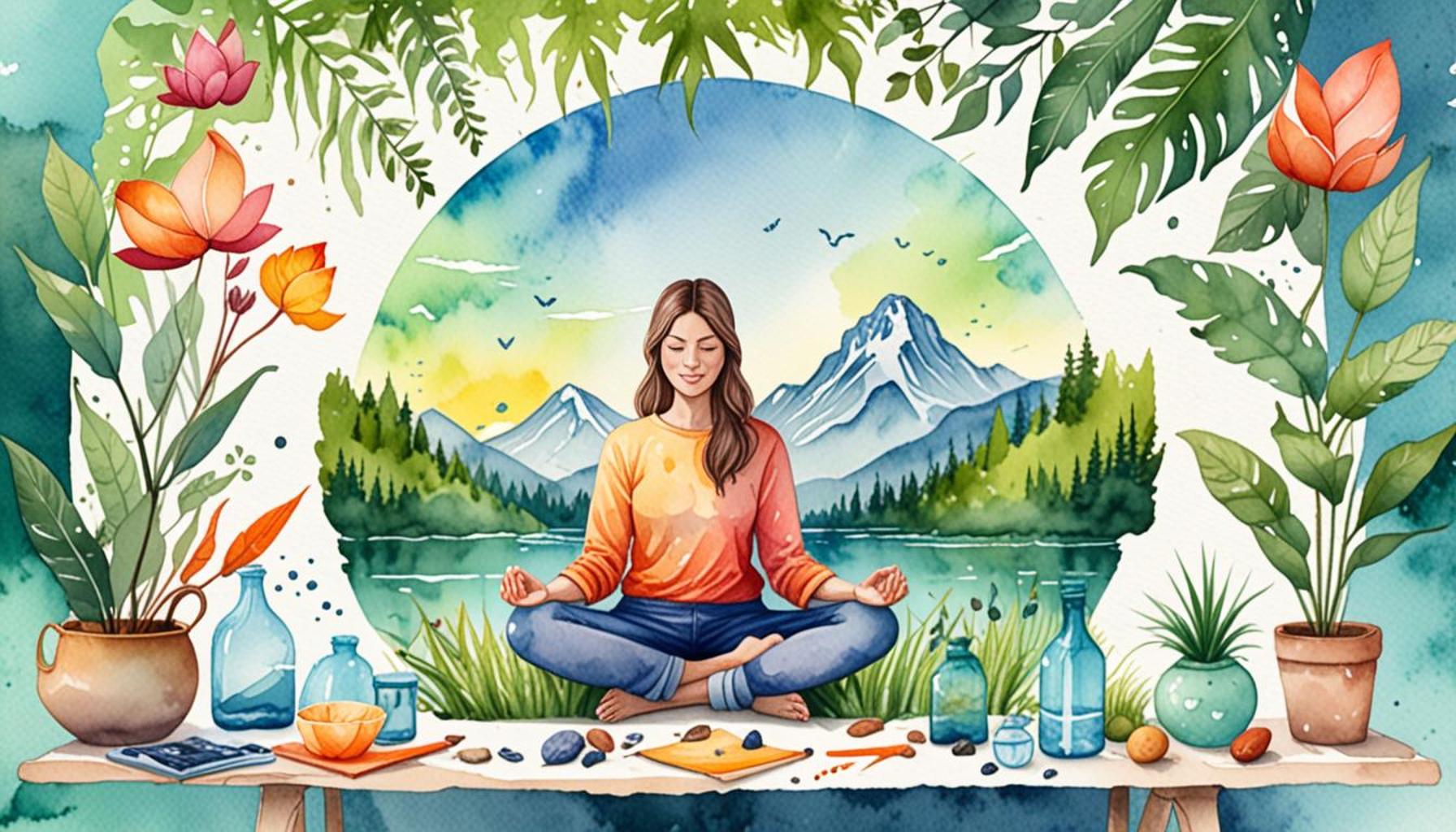
Mindful Living and the Practice of Simplicity: How Minimalism Can Enhance Inner Connection

The Allure of Mindful Living
In the whirlwind of modern life, the quest for a deeper sense of purpose and fulfillment often leads individuals to the practice of mindful living. This transformative approach encourages a deliberate assessment of one’s priorities while fostering a profound inner connection. Embracing the tenets of minimalism—simplicity in daily life—can be a powerful means of achieving this, as it invites us to focus exclusively on what truly enriches our existence.
At the core of mindful living are several essential principles:
- Intentionality: By making conscious choices, individuals align their actions with their core values. For instance, opting for experiences that promote joy—such as spending time with loved ones or engaging in a favorite hobby—over accumulating material possessions exemplifies this principle.
- Decluttering: Whether it’s clearing out a cluttered attic or letting go of toxic relationships, the act of decluttering serves as a metaphor for freeing oneself from emotional burdens. This liberation can lead to a clearer mind and a lighter heart.
- Presence: Fostering awareness of the here and now allows individuals to savor life’s fleeting moments, such as relishing a sunrise or enjoying a meal with family without the distraction of screens. This heightened presence can revolutionize day-to-day life.
By intentionally reducing distractions, individuals create an environment that nurtures clarity and peace of mind. The benefits of adopting a minimalistic lifestyle can be profound:
- Improved mental health: Studies show that simplifying one’s surroundings can significantly reduce anxiety and stress levels by fostering a sense of control and calm.
- Enhanced focus: With fewer distractions, there is a greater capacity to concentrate, which can lead to personal growth and stronger relationships.
- Increased gratitude: As individuals learn to appreciate the simple pleasures in life—like a walk in nature or a deeply engaging conversation—they cultivate a lasting attitude of gratitude.
As minimalism becomes increasingly popular across the United States, exploring its intersection with mindful living offers an exciting opportunity for personal and societal transformation. Numerous documentaries, self-help books, and online communities encourage this movement, emphasizing how decluttering our physical spaces can lead to mental clarity and overall wellbeing.
Engaging with these concepts reveals not only the richness of simplicity but also the potential for a deeper self-connection. The journey toward mindful living is not just about removing excess; it is about embracing the fullness of life through intentional presence, emotional resilience, and heartfelt gratitude. The call to action is clear: to discover the wealth of experiences that life has to offer beyond material confines.

DISCOVER MORE: Click here to enhance your time management
Unpacking Minimalism: A Path to Clarity
The convergence of mindful living and minimalism serves as a sanctuary amidst the chaos of contemporary life. As individuals begin to peel back the layers of excess, a clearer understanding of what is truly essential emerges. This transformation is not merely physical but extends to one’s mental and emotional spheres, thus enhancing the inner connection many seek.
Minimalism invites individuals to reassess their relationship with material possessions and societal expectations. By consciously eliminating the non-essential, we make space for what holds true meaning. Not merely a style or aesthetic, minimalism embodies a mindset that challenges one to consider the following:
- What brings me joy? Simple pleasures, such as a walk in a nearby park or a quiet evening with a book, often outweigh the fleeting happiness of acquiring new items. Reflecting on these moments can illuminate the path towards a more fulfilling life.
- Am I living authentically? Minimalism encourages individuals to align their lifestyle with their personal values. This alignment fosters a stronger sense of self, something pivotal in an age dominated by curated social media personas.
- How can I prioritize my time? With distractions minimized, individuals can focus on what matters most—deepening relationships, pursuing passions, and understanding oneself better. The freedom from clutter allows for creativity and exploration.
Moreover, engaging in minimalist practices often results in a significant shift in mindset. Research shows that individuals who adopt minimalist principles report feeling more centered and content. A 2022 study published in the Journal of Positive Psychology found that participants who embraced decluttering experienced a greater sense of emotional wellbeing and reduced symptoms of anxiety. The psychotherapeutic implications of minimizing one’s environment stretch beyond mere tidiness; it creates an atmosphere conducive to mental clarity and emotional stability.
As simplicity unfolds, the ability to practice gratitude flourishes. It becomes increasingly evident that fulfillment can stem from life’s smallest moments. When extraneous distractions are stripped away, appreciation for everyday experiences—like a shared family meal or a peaceful moment of solitude—deepens. By cultivating this perspective, minimalism cannot only enhance daily living but also foster enduring connections with ourselves and those around us.
The narrative of mindful living intertwined with minimalism is not just a trend; it is an evolving philosophy that encourages endless discovery. The simplicity of a clutter-free space is complemented by the richness of mental well-being, inspiring individuals to embrace a simpler life that harmonizes with their innermost values. Thus, as we navigate the journey of simplification, we slowly unearth a treasure trove of experiences that resonate deeply.
As we delve deeper into the realm of mindful living and simplicity, it becomes evident that minimalism is not merely about decluttering physical spaces; it is a transformative practice that extends to our mental and emotional states. By consciously lessening our attachment to material possessions, we create room for profound connections with ourselves and the world around us. Minimalism invites us to focus on what truly matters—authentic experiences, meaningful relationships, and personal growth.
The shift towards a minimalist mindset can serve as a catalyst for enhancing our inner connection. When we strip away distractions, we become more attuned to our thoughts, feelings, and desires. This heightened self-awareness can lead to improved mental clarity, allowing us to make more intentional choices that resonate with our true selves. In embracing simplicity, we encourage mindfulness practices, such as meditation and reflection, that ground us in the present moment.
Exploring the benefits of a simplified lifestyle entails recognizing how it fosters creativity and joy. With fewer obligations and excess, we often find ourselves more open to exploring new activities and cultivating hobbies that spark joy. This newfound freedom empowers us to prioritize our passions, leading to greater fulfillment and connection with our authentic selves.
| Advantages of Minimalism | Impact on Inner Connection |
|---|---|
| Decluttering Physical Space | Fosters mental clarity and reduces distractions, enhancing focus on inner thoughts. |
| Encouraging Intentional Living | Promotes deeper connections with self and others through meaningful choices. |
In essence, minimalism serves as a profound tool in the pursuit of a more grounded and connected existence. By embracing the principles of mindful living, we open ourselves to a pathway where simplicity reigns, allowing for deeper introspection and ultimately, a more enriched life.
DISCOVER MORE: Click here for simple strategies
The Power of Intentional Living: Building Meaningful Connections
As we delve deeper into the realms of mindful living and minimalism, the concept of intentional living surfaces as a vital component of this journey. Intentionality allows individuals to consciously choose how they engage with the world, fostering greater awareness of actions, thoughts, and feelings. This deliberate approach can lead to enhanced connections both with oneself and with others.
Intentional living is, at its core, about clarity of purpose. When we strip away the distractions synonymous with modern life, we uncover our core values and motivations. As noted in the book “Essentialism” by Greg McKeown, understanding what truly matters enables us to focus our energy in meaningful ways rather than scattering it across countless, often inconsequential, obligations. This not only propels us towards personal growth but also strengthens our relationships through authenticity.
Consider social interactions. In a world dominated by superficial engagements, minimalism encourages quality over quantity. By prioritizing meaningful relationships, we cultivate deeper connections with friends, family, and even community members. A survey conducted by the Pew Research Center revealed that a significant portion of Americans desire more meaningful friendships, indicating a collective yearning for deeper social bonds. Minimalism provides the freedom to invest time and energy into these key relationships, setting the stage for shared experiences rife with potential for profound connection.
Furthermore, the practice of intentional living urges individuals to rethink their commitments. The multiple responsibilities and obligations that may have once felt obligatory can be reevaluated through a minimalist lens. Asking oneself questions such as, “Is this enriching my life?” can illuminate which commitments genuinely contribute to personal fulfillment and which may be draining. Opting out of non-essential activities opens up room for self-discovery and rejuvenation, fostering a connection with the inner self that is too often overlooked in the bustle of everyday life.
Another significant aspect of embracing minimalism is the impact it has on mental health. Research suggests that environments laden with clutter can contribute to heightened stress levels. A study published in the journal Psychological Science in 2020 found that individuals who experience clutter in their homes report feeling overwhelmed and unable to focus, which can lead to increased anxiety and feelings of disconnect. By cultivating a simplified environment, individuals can promote mental well-being, making it easier to engage in mindful practices like meditation or journaling—activities that bolster inner peace and clarity.
Transitioning towards minimalism also naturally aligns with eco-conscious living. As awareness of environmental issues continues to rise, individuals gravitate towards practices that not only enhance their lives but also contribute positively to the planet. The minimalist movement encourages conscious consumption and sustainable choices, connecting individuals with a larger community dedicated to preserving the Earth’s resources. This sense of shared purpose can significantly enhance feelings of belonging and connectedness.
In embracing the intertwined principles of mindful living, minimalism, and intentionality, individuals embark on a journey that fosters richer experiences and deeper connections. Whether through nurturing relationships, prioritizing mental health, or engaging in eco-friendly practices, the benefits extend far beyond the individual, resonating through communities and ultimately shaping a more thoughtful world. Thus, as we explore the intersections of simplicity and mindfulness, the possibilities for enriched living come into sharper focus.
DISCOVER MORE: Click here to enhance your productivity
Conclusion: Embracing a Simpler, Mindful Existence
In conclusion, the journey towards mindful living and minimalism is not merely about decluttering our physical spaces; it serves as a profound invitation to reconnect with our inner selves and cultivate meaningful relationships. As we peel away the layers of excess, we create opportunities to discover our true desires and values—elements that often become obscured in the chaos of modern life.
The exploration of intentional living illuminates a path where our commitments align with personal fulfillment, thus empowering us to make choices that resonate deeply. By prioritizing quality over quantity in our interactions, we foster a sense of belonging and harmony within our communities, meeting the collective desire for deeper social bonds reported by many. Additionally, embracing a simplified lifestyle not only alleviates clutter-induced stress but also enhances mental well-being, enabling us to engage more authentically with ourselves and others.
This mindful, minimalist approach also extends its benefits to the broader community, as sustainable practices become intrinsic to our daily lives. Each conscious choice adds to a collective effort towards environmental stewardship, further deepening our connections with the world around us.
As we embark on this transformative journey, we open ourselves to the endless possibilities that mindful living and simplicity can offer. In our quest for inner peace and richer connections, we can ultimately contribute to a more thoughtful, compassionate world. Embracing these principles invites us to cultivate a life overflowing with purpose, clarity, and profound connection.