Minimalist Organization Tips to Maximize Space in Small Homes
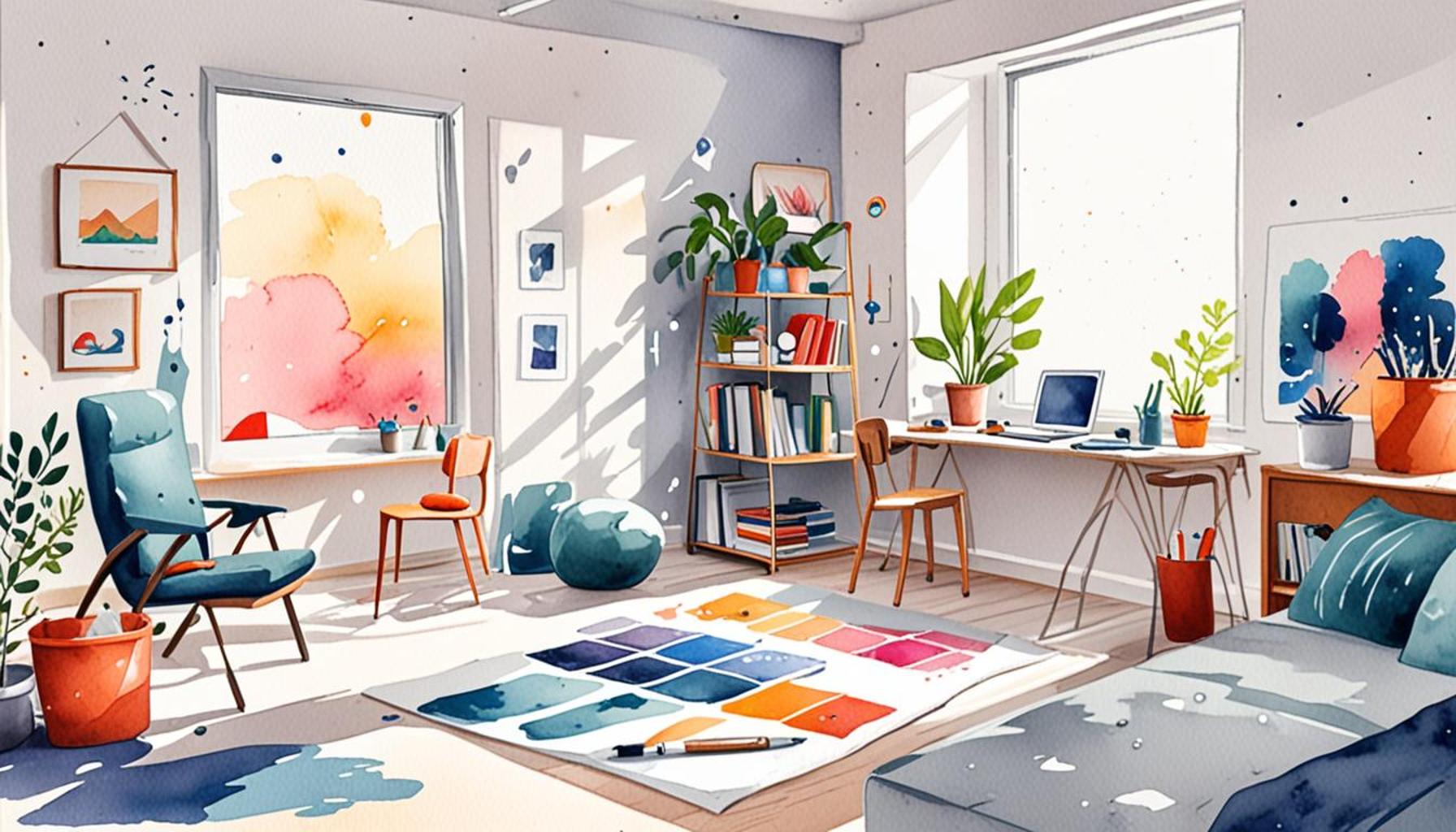
In a world where living spaces are becoming increasingly compact, the need for effective organization is more critical than ever. Embracing minimalism allows individuals to create serene and functional environments, even in the tightest quarters. By adopting minimalist principles, you can not only declutter but also enhance the beauty and utility of your living space.
Understanding the core tenets of minimalism can fundamentally transform how you perceive your belongings and the space they occupy. Here are some advantages of incorporating minimalist organization:
- Increased functionality: Adopting smart storage solutions frees up valuable space.
- Serenity and focus: A clean and organized environment promotes mental well-being.
- Efficiency: Simplified living leads to streamlined daily routines.
This article will explore crucial strategies for maximizing your home’s potential, ensuring every inch is used wisely. Prepare to discover the Top 5 minimalist organization tips that will help you reclaim your space and enhance your living experience.
Top 5: Maximize Space – Minimalist Organization Strategies for Small Environments
Living in small spaces presents unique challenges, especially when trying to maintain organization and maximize space. However, adopting a minimalist approach can transform these challenges into creative solutions, fostering a more open and functional environment. The philosophy of minimalism encourages living with intention — choosing to surround yourself only with items that add value and bring joy. By embracing minimalist principles, you can create an environment that feels both spacious and aesthetically pleasing, even within the confines of limited square footage. Here, we explore five effective strategies to optimize your space in small environments.
5. Utilize Vertical Space
One of the simplest yet most effective strategies for maximizing small areas is to make use of vertical space. In living environments where floor space is scarce, turning your attention upwards can unveil a multitude of possibilities for storage and decor. By utilizing walls, ceilings, and even the backs of doors, you can alleviate crowdedness on the floor, enhancing the overall ambience.
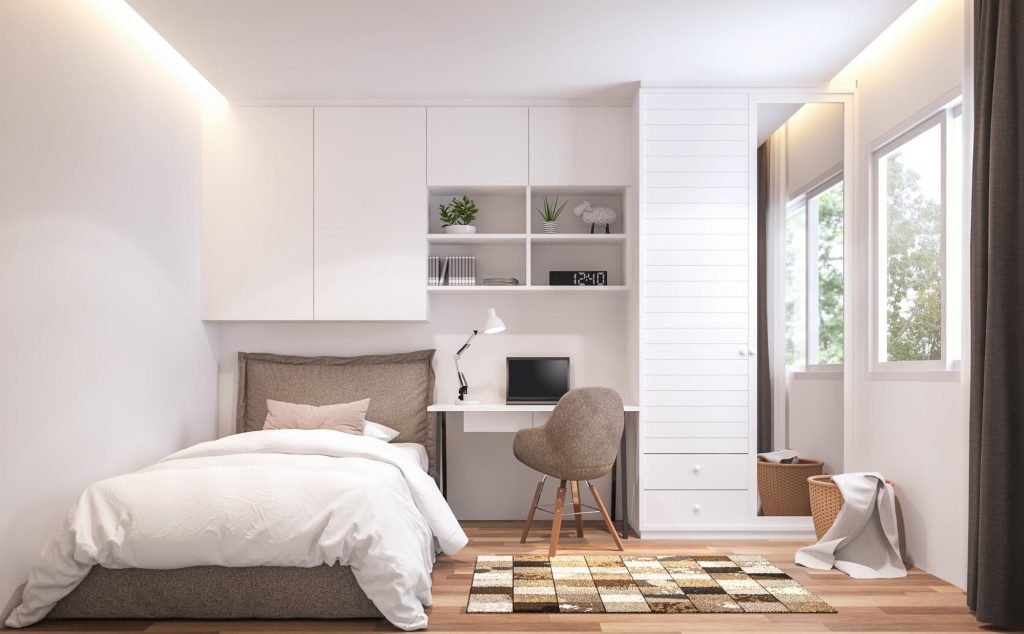
- Shelving: Floating shelves are ideal for displaying books, plants, or decorative items. They draw the eye upward and create the illusion of a taller and larger room. Using transparent or lighter-colored shelves can also contribute to a less obtrusive look.
- Hooks: Wall hooks can serve multiple purposes, from hanging coats and bags in the entryway to organizing kitchen utensils. By keeping frequently used items within easy reach but off the counters or floors, you preserve precious flat surfaces.
- Over-the-door Organizers: These are especially useful in bathrooms and closets for storing shoes, toiletries, and other small items. They make use of frequently overlooked spaces, providing convenient and hidden storage solutions.
By integrating vertical elements into your space, not only do you increase storage capacity but also maintain an open floor plan, reducing the risk of clutter.
4. Multi-Functional Furniture
Investing in multi-functional furniture is a cornerstone of successfully living in small spaces with a minimalist mindset. These versatile pieces perform double duty, reducing the need for multiple items while maximizing utility and style. Choosing the right furniture can drastically transform your living dynamics.
- Sofa Beds: A must-have for those who frequently host overnight guests. During the day, it serves as an inviting sofa, transforming effortlessly into a bed when needed. Consider a design that incorporates storage, further enhancing its functionality.
- Ottomans with Storage: These versatile pieces serve as additional seating, a coffee table, or even an impromptu workspace. Hidden compartments provide storage for blankets, magazines, or games, ensuring that your living area remains neat and tidy.
- Drop-Leaf Tables: Perfect for dining or as a workspace, drop-leaf tables can expand for meals or work sessions and collapse when not in use, saving floor space and allowing flexibility in room layout.
By selecting furniture that serves multiple purposes, not only do you conserve space, but you also inject creativity and innovation into your home setup.
3. Declutter Regularly
Living minimally is an ongoing process, requiring continual effort to maintain. Regular decluttering is crucial, especially in confined spaces, as it helps eliminate unnecessary items and keep only what truly serves you. This practice not only frees physical space but also enhances mental clarity.
- “One-in, One-out” Rule: To avoid accumulation, adopt the habit of letting go of one possession for each new item brought into your home. This simple yet powerful rule helps keep your habitat balanced and clutter-free.
- Seasonal Assessments: Use the change of seasons as a cue to evaluate the necessity of your belongings. Consider donating or disposing of items that no longer serve a purpose or bring joy.
- Use the ’24-Hour’ Tag: For items that you haven’t actively used in 24 hours, it’s worth considering their necessity; however, this time frame can be adjusted to suit longer intervals based on the type of object considered.
Decluttering not only optimizes your physical space but also cleanses the mental cobwebs, contributing to a more serene and organized living environment.
2. Zone Your Space
Creating distinct zones within your living space helps in maximizing efficiency and coherence. By designating certain areas for specific functions, you can ensure that each zone serves its intended purpose, enhancing both utility and flow. Thoughtful zoning creates mini-environments within an overall limited space.
- Study Zone: Select a quiet corner for working, adding a desk and shelves to keep it organized. This designated spot helps to create a work-life balance by containing work materials to one area.
- Relaxation Zone: Carve out a reading nook with a comfortable chair, soft lighting, and perhaps a small bookshelf. This creates a haven for stress relief and relaxation during downtime.
- Dining Zone: If your space permits, establish a dining area with a small table and chairs. Use multi-functional furniture like expandable tables to easily convert the space for other uses when needed.
By employing zoning techniques, you make efficient use of every square foot while ensuring distinctive areas are dedicated to various aspects of daily living.
1. Embrace Minimalism
At the heart of these strategies is the philosophy of minimalism itself, which transcends mere decluttering to embrace a lifestyle characterized by simplicity and intentionality. Minimalism involves carefully curating your possessions, choosing to keep only those that bring utility or joy, thereby creating an environment ripe for peace and creativity.
Key principles include:
- Intentional Purchases: Prioritize quality over quantity by selecting items with deliberate thought, focusing on durability and necessity. This not only prevents unwanted accumulation but also aligns with sustainable practices.
- Mindful Consumption: Conscious decision-making about what to introduce into your space fosters a stronger connection to your environment, enhancing appreciation for each item’s role and value.
- Freedom Through Less: Reducing possessions liberates both physical and mental spaces, allowing for more flexibility, creativity, and focus on experiences over material goods.
Embracing minimalism brings harmony to your living environment, offering freedom from the chaos of clutter and paving the way for a more intentional and fulfilling lifestyle. By leveraging these organizational strategies, small spaces can transform from cramped quarters into serene sanctuaries.
| Category | Description |
|---|---|
| Smart Storage Solutions | Utilizing furniture that doubles as storage, like ottomans or coffee tables with compartments, allows for maximizing space efficiency while keeping the environment neat. |
| Multi-functional Areas | Designating spaces for multiple uses, such as a dining table that serves as a workspace, promotes versatility and minimizes the need for separate rooms. |
| Vertical Usage | Incorporating wall-mounted shelves and hooks helps in utilizing vertical real estate, freeing up floor space while adding aesthetic appeal. |
| Decluttering Techniques | Regularly assessing and removing unnecessary items enhances the feeling of space by fostering a minimalist environment, which is essential for small living spaces. |
Frequently Asked Questions on Minimalist Organization Strategies for Small Spaces
How can minimalist organization optimize a small living space?
Minimalist organization focuses on reducing clutter and maximizing the functionality of available space. By emphasizing simplicity and purpose, this approach encourages you to only keep items that serve a clear function or bring joy. As a result, living spaces become more open and breathable, and it’s easier to maintain order. Strategies like multifunctional furniture, vertical storage, and selective decluttering are often employed to enhance space efficiency.
What are some effective storage solutions for small spaces?
In small spaces, creativity is key. Consider utilizing vertical storage, such as wall-mounted shelves and hanging racks, to take advantage of unused wall space. Additionally, furniture with built-in storage compartments, like ottomans or beds with drawers, are invaluable. Underutilized areas like corners and behind doors can also be leveraged through specially designed corner shelves or over-the-door hanging organizers.
How does minimalist organization impact mental health and well-being?
Research suggests that cluttered environments can increase stress and anxiety levels, making it difficult to concentrate and relax. In contrast, minimalist organization promotes a serene and ordered space, which may contribute to a more focused and peaceful mindset. By reducing excess and simplifying surroundings, individuals can potentially experience an enhanced sense of clarity and contentment.
What are the challenges of maintaining minimalist organization in small spaces?
One significant challenge is resisting the accumulation of new items, which can quickly lead to clutter. It’s essential to adopt a conscious approach to purchasing and consistently evaluate possessions. Use the “one in, one out” rule: whenever you acquire something new, let go of something old. Additionally, developing regular tidying routines can help ensure that even small spaces remain organized over time.
Conclusion
Embracing minimalism in organizing small spaces is not just a design choice; it is a lifestyle that fosters simplicity and functionality. In this article, we explored several effective strategies to transform compact living areas into well-organized, aesthetically pleasing environments. The core takeaway is the significance of intelligent storage solutions. Utilizing multi-functional furniture and smart storage techniques allows us to make the most out of limited spaces.
The principle of decluttering stands out as a cornerstone of minimalism. By keeping only what truly adds value to our lives, we create a harmonious and clutter-free home. Moreover, adopting a thoughtful approach to color schemes and decor enhances the perception of space, lending a sense of openness and calmness. Light, neutral tones not only enlarge spaces visually but also contribute to a tranquil ambiance.
Additionally, the strategic use of vertical spaces is essential to maximize available room. Shelving units and wall-mounted storage provide extra space without invading the floor area, making them indispensable in small environments. Lastly, habitual organization reflects the true spirit of minimalism, where maintaining order becomes a seamless part of daily life. This proactive approach ensures that your space remains functional and enjoyable over time.
In conclusion, the art of minimalism and organization is crucial in optimizing small living quarters. These strategies not only improve living conditions but also promote mental clarity and peace. As more people seek to simplify their environments, delving into the depths of minimalism could offer fresh insights and unforeseen benefits. Readers are encouraged to explore these concepts further, as they hold the promise of transforming both their physical spaces and lives.