Multifunctional Spaces: How Spatial Efficiency Can Transform Your House into a Minimalist Home
Understanding Multifunctional Spaces and Their Impact
The landscape of residential living has shifted significantly in recent years, with families and individuals searching for ways to make the most out of typically limited living environments. The rise of minimalism has encouraged homeowners to think outside the box, leading to the creation of multifunctional spaces that serve multiple purposes. This trend not only promotes a more organized lifestyle but also enhances how we experience our homes.
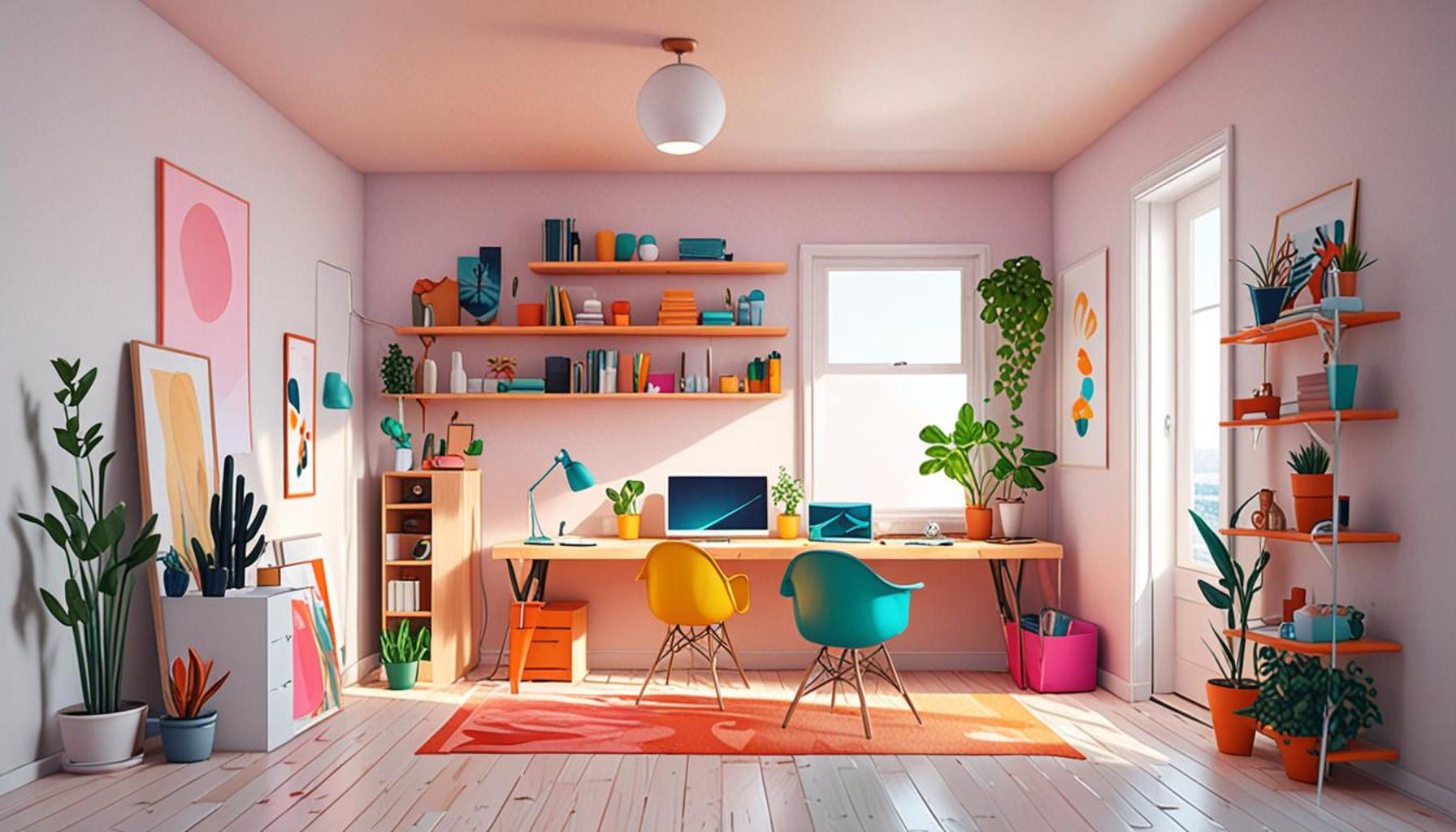
One prominent advantage of integrating multifunctional spaces is enhanced productivity. Imagine a corner of your living room that seamlessly transitions from a workspace into a cozy reading nook. By equipping the area with a small desk that can be folded away and comfortable seating with built-in storage, both work and relaxation can coexist harmoniously. This approach not only saves valuable space but also fosters a balanced lifestyle that promotes focus and creativity.
Furthermore, embracing efficient use of space is crucial, especially in urban settings where square footage can be limited. Transforming a guest bedroom into a home gym exemplifies this innovation. Utilizing a Murphy bed or a daybed can ensure that spare sleeping arrangements are available without sacrificing essential workout equipment. A compact treadmill or yoga mats can easily be stored away, allowing the room to serve dual purposes. This flexibility allows homeowners to pursue hobbies and ensure that guests feel welcome simultaneously.
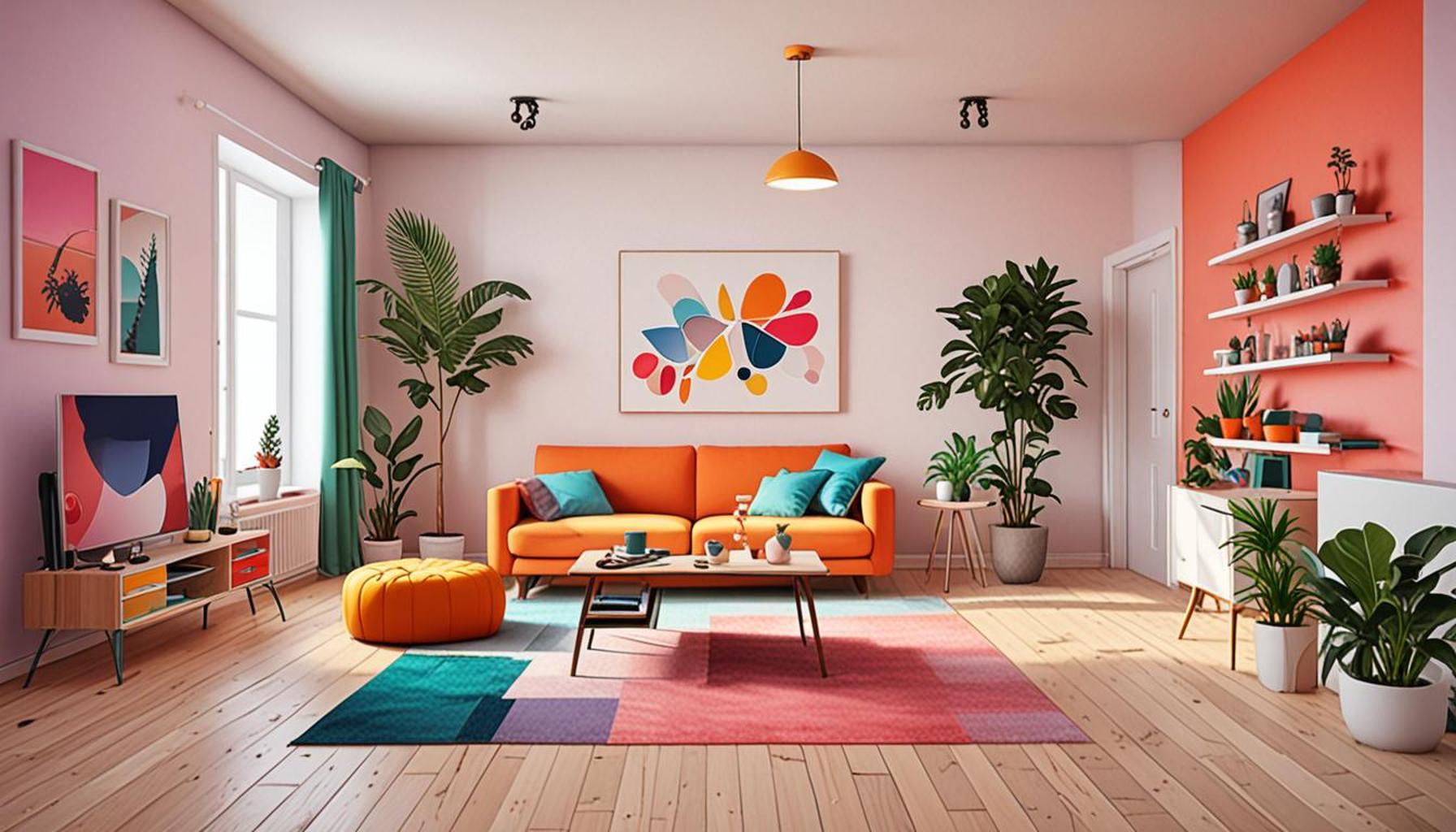
On top of practicality, multifunctional spaces also offer increased aesthetic appeal. Stylish furniture that doubles as a storage solution can help maintain a tidy environment while enriching your décor. Think of ottomans with hidden compartments or coffee tables with shelves. Such designs not only keep clutter at bay but also add character, showcasing personal style while fulfilling functional needs.
As you embark on your journey to create multifunctional spaces, it is essential to remember that thoughtful planning and creativity are your best tools. The transformation of a space doesn’t require a significant financial investment; often, simple rearrangements, smart storage solutions, and resourceful furniture choices can significantly enhance both functionality and visual appeal. Whether you live in a bustling city apartment or a spacious suburban home, embracing the concept of multifunctional spaces can lead to a more organized, serene, and stylish living experience.
Explore your options, experiment with designs, and discover how these innovations can help you create a home that truly reflects your personal style while meeting all your functional needs.
DIVE DEEPER: Click here for mindful living techniques
Exploring Creative Solutions for Multifunctional Spaces
As the desire for a more minimalist lifestyle becomes increasingly prevalent, many homeowners are questioning the traditional uses of their living spaces. This shift in mindset has led to the rise of multifunctional spaces, which creatively tackle the challenges of small living areas, merging functionality with personal flair. To reap the full benefits of such innovative designs, it is essential to explore various creative concepts that can transform any corner of your home into a dynamic sanctuary.
One particularly effective strategy for achieving spatial efficiency is the incorporation of modular furniture. These adaptable pieces can be rearranged or reconfigured to meet evolving needs, making them ideal for contemporary living. For instance, a modular sofa can be altered to accommodate sudden gatherings, effortlessly converting from a cozy corner to a spacious sectional. Similarly, expandable dining tables are perfect for intimate family dinners during the week but can extend to accommodate larger groups on weekends. This inherent flexibility not only maximizes space but also cultivates a seamless flow throughout your home, encouraging movement and engagement.
The utilization of built-in storage solutions is another compelling approach to enhance your living space. By designing features such as built-in bookshelves or window benches that offer hidden compartments, you can effectively diminish clutter while maintaining a polished aesthetic. Creative options include installing shelves above door frames, making use of vertical wall space to keep your essentials organized and easily accessible. For additional inspiration, consider these built-in storage ideas:
- Storage ottomans that function both as extra seating and footrests, providing a tidy living area without sacrificing comfort.
- Multi-tiered shelving units that elegantly display décor or personal collections without encroaching on valuable floor space.
- Custom cabinetry tucked cleverly beneath staircases, perfect for stowing seasonal gear or seldom-used household items discreetly.
In pursuing the harmonious blend of aesthetics and utility, the introduction of transformative room dividers can significantly enrich a multifunctional living environment. Whether employing a stylish folding screen, an open-back bookshelf, or even carefully placed plants, these dividers allow for the creation of distinct zones within a spacious room. This division can effectively support various activities—such as working from home, welcoming guests, or winding down for the evening—while simultaneously enhancing the overall décor and sophistication of your space.
Ultimately, the secret to crafting successful multifunctional spaces is rooted in the thoughtful selection of furniture and design elements that align with your unique lifestyle. By focusing on practicality while maintaining a commitment to style, homeowners can foster an inviting atmosphere that adapts beautifully to various needs and occasions. Engaging in this creative process not only opens the door to functional living but also allows you to create a space that vividly represents your personality and principles, demonstrating a modern commitment to minimalism.
Understanding Multifunctional Spaces
Multifunctional spaces are more than just a trend; they represent a lifestyle shift towards efficiency and simplicity. By reimagining how we use our spaces, we can not only declutter our homes but also enhance our living experience. Picture a cozy nook that serves as a reading area by day and transforms into a guest bed at night. This adaptability is the hallmark of a minimalist approach, where each element serves multiple purposes.
The Importance of Spatial Efficiency
Spatial efficiency plays a critical role in maximizing the functionality of any home. By prioritizing smart design and organization, homeowners can utilize every square foot effectively. For instance, built-in shelving can provide storage that fits seamlessly into a room, preventing visual clutter while ensuring that items are easily accessible. Opting for furniture with hidden storage compartments can also enhance the aesthetics of a room while providing practical solutions for everyday living.Another key aspect is the focus on open floor plans. These spaces create a visual flow that can make homes feel larger and more inviting, while also encouraging a shared communal atmosphere. With less physical barriers, families and friends can engage more freely, creating connections that transcend mere functionality.
Explore More with Our Informative Table
| Category | Key Features |
|---|---|
| Adaptable Living Areas | Transformable spaces that cater to multiple uses. |
| Integrated Storage Solutions | Furniture that provides both style and practicality. |
By embracing these elements of multifunctional spaces, homeowners are not only making a choice for efficiency but for a lifestyle that values tranquility and simplicity. The shift towards minimalism invites us to reflect on our needs and reshapes how we interact with the spaces we inhabit. Discovering how to implement these principles can turn any home into a haven of comfort and functionality.
DISCOVER MORE: Click here to dive deeper
Embracing Versatility with Dual-Purpose Essentials
In addition to modular furniture and built-in storage, dual-purpose essentials are pivotal in the journey towards creating multifunctional spaces. This trend highlights the brilliance of items that serve multiple functions without compromising on aesthetics. For instance, a sofa bed not only provides a comfortable seating area but can also transform into a cozy sleeping space for guests, efficiently addressing the need for versatility while keeping your living area stylish. Similarly, wall-mounted foldable desks allow you to create a dedicated workspace when needed, which can be tucked away seamlessly to reclaim living space when work hours are over.
Moreover, the architectural feature of open floor plans has gained popularity in modern homes, encouraging greater interaction between spaces while simultaneously allowing for layered functionality. By eliminating walls that traditionally separate the kitchen, dining, and living areas, open floor plans can lead to a fluid, communal atmosphere. This layout fosters an engaging connection with family and friends, while also permitting activities to blend together—with the added advantage of making smaller spaces feel larger and more inviting. According to recent studies, homes that embrace open layouts not only enhance spatial efficiency but also significantly improve the daily living experience, making them a preferred choice for many contemporary homeowners.
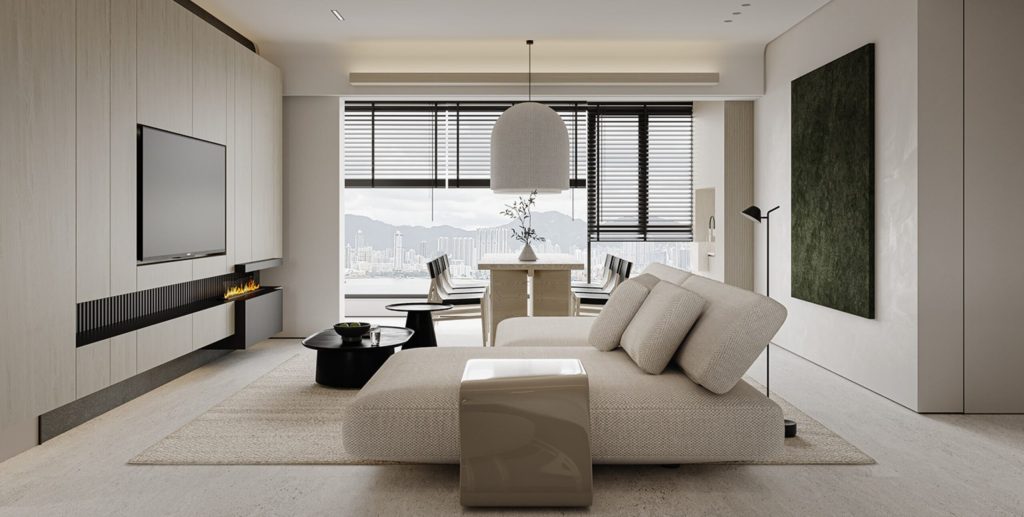
Color and decor choices play a crucial role in maximizing the effectiveness of multifunctional spaces. By choosing a cohesive color palette and minimalist decor, you can create an illusion of harmony and spaciousness. Lighter tones can brighten and expand the feel of a room, while strategically placed mirrors can add depth and reflect natural light, contributing further to the open ambiance. Stylish décor such as multi-functional lighting fixtures—like pendant lights that brighten a dining area while serving as a design focal point—can elevate both aesthetics and functionality in your home.
Another powerful tool in the design of multifunctional spaces is the strategic use of natural elements. Incorporating plants not only enhances the beauty of your home but also serves as effective space enhancers. Vertical gardens and green walls are gaining traction in minimalist decor, adding an organic touch to your home and contributing to a healthier indoor environment. Furthermore, they can act as natural dividers between different areas, providing both privacy and a sense of tranquility.
Additionally, technology is rapidly influencing how we utilize and reconfigure our living spaces. Smart home innovations, such as automated lighting and temperature controls, can help customize environments based on activity, further optimizing your home’s spatial efficiency. For example, programmable settings can create the right ambiance for a movie night or a quiet evening with just a few taps on your smartphone, making your home adaptable to your lifestyle.
To focus on simplicity while reducing visual clutter, neutral storage solutions can provide harmony without overwhelming the senses. Items like decorative boxes, minimalist baskets, and multifunctional storage units blend functionality with style, allowing you to maintain a clean aesthetic while having everything positioned within reach.
DIVE DEEPER: Click here to discover essential strategies
Reimagining Living through Multifunctional Spaces
In summary, embracing the concept of multifunctional spaces transcends mere design trends; it represents a paradigm shift in how we view and utilize our homes. By integrating dual-purpose essentials, such as sofa beds and wall-mounted desks, homeowners can cultivate environments that are not only visually appealing but also remarkably efficient. The growing popularity of open floor plans further illustrates this shift, fostering communal interactions and creating a sense of spaciousness that caters to the needs of modern living.
Moreover, strategic use of color and decor significantly enhances the illusion of space while facilitating a minimalist aesthetic that promotes mental clarity. Natural elements, like plants and green walls, not only beautify areas but also contribute to an improved atmosphere, encouraging a sense of serenity and connectivity within the home. The advent of smart home technologies introduces an additional layer of adaptability, allowing residents to tailor their environments effortlessly.
As we rethink our living spaces, it becomes clear that spatial efficiency is not merely advantageous; it is essential for achieving a harmonious lifestyle. By considering how each element in our homes serves multiple functions, we can create a more sustainable and organized environment. Embrace the transformative power of multifunctional spaces and embark on a journey toward a minimalist home that reflects your style while meeting everyday practicalities. In doing so, you unlock not just a new way of living, but a way to thrive in the simplicity of life.