Principles of Minimalist Design to Enhance Functionality in Compact Living Spaces
Understanding the Impact of Minimalist Design
As urban living spaces continue to shrink, particularly in bustling metropolises like New York City or San Francisco, the need for effective organization and optimal functionality has never been more relevant. Minimalist design emerges as a powerful approach, emphasizing simplicity and efficiency in both aesthetics and utility. By stripping away the non-essential, minimalism cultivates an environment that allows for greater peace of mind while enhancing the overall spatial experience.
Key Features of Minimalist Design
Central to the minimalist ethos are several key features that work cohesively to redefine how we interact with small spaces. These principles include:
- Decluttering: One of the first steps in embracing minimalist design is to clear out unnecessary items. This process involves evaluating belongings critically and retaining only those that contribute to one’s lifestyle. For instance, instead of a cluttered countertop, a clean workspace featuring a sleek coffee maker can make a regular routine feel more luxurious and organized.
- Functional furniture: In small spaces, every piece of furniture must earn its keep. This is where multi-purpose items shine. A classic example is the sofa bed, which can transform a living room into a guest suite with ease. Additionally, nesting tables can provide versatile surfaces that tuck away neatly when not in use, allowing for more open space when desired.
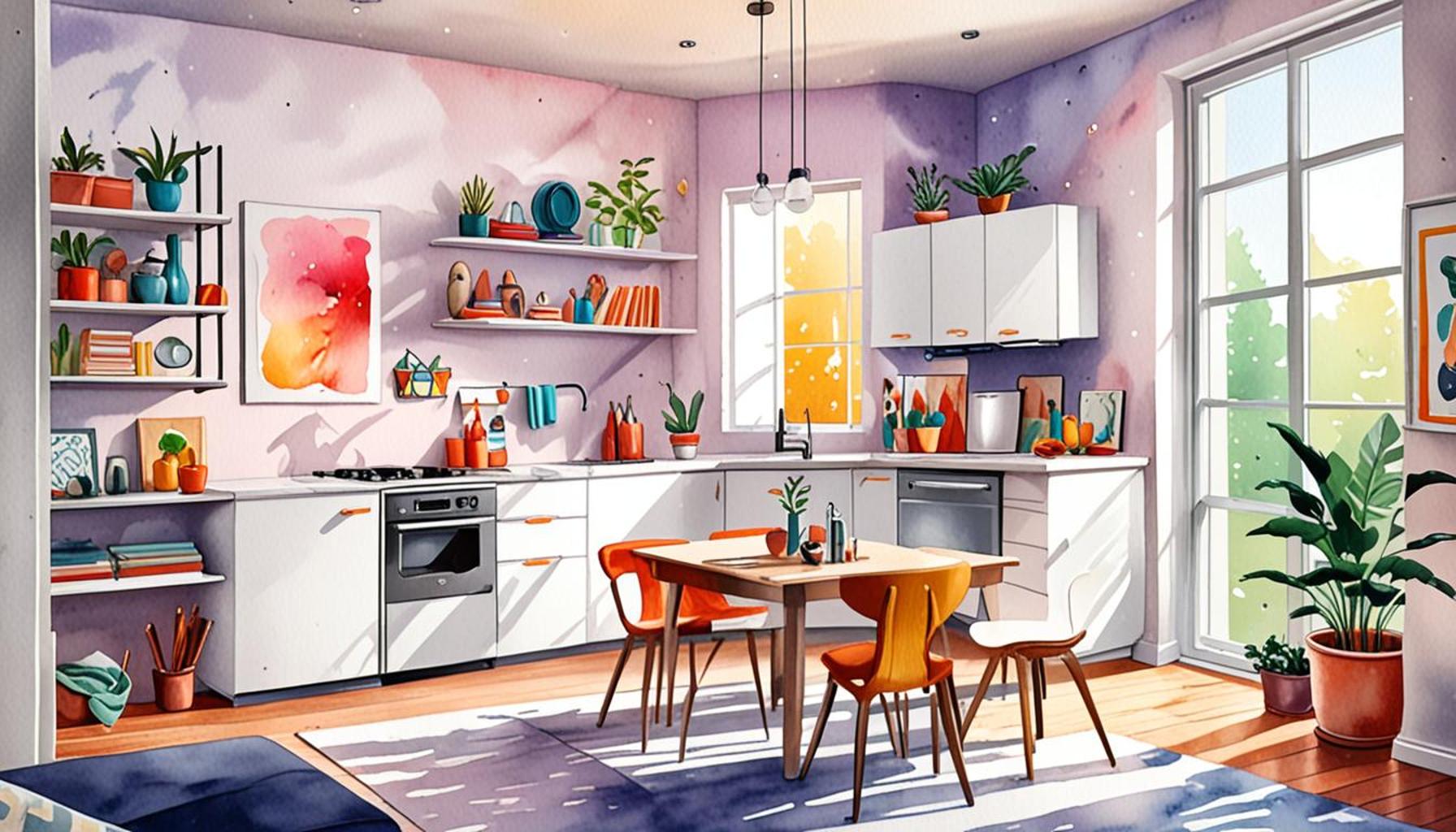
- Neutral color palettes: Color plays an essential role in how a space feels and functions. Light, neutral colors such as whites, creams, and soft grays can visually expand a room, making it appear larger and more inviting. Adding accents, like bright cushions or artwork, can infuse personality without overwhelming the design.
Adopting minimalism does not equate to sacrificing style. Instead, it fosters a thoughtful selection of elements that reflect both form and function. For example, a carefully curated bookshelf can serve as both storage and a display of personal interests, merging practicality with artistic expression.
Tips for Embracing Minimalist Design
In the following sections, we’ll delve deeper into each principle of minimalist design, providing practical tips and illustrative examples tailored to various lifestyles. Whether you reside in a compact urban apartment or a tiny house, the insights shared here will empower you to unlock your space’s potential. Prepare to embark on a journey toward creating a harmonious environment that celebrates both beauty and utility, inviting you to live a life less burdened by clutter.
Minimalist design offers not merely a way to decorate but a fresh perspective on how we live and utilize our environments. Engage with this transformative design philosophy and discover how your small space can bloom into a sanctuary of design and functionality.
DISCOVER MORE: Click here to dive deeper
Implementing Minimalist Principles for Optimal Space Utilization
When it comes to enhancing functionality in compact living spaces, implementing the principles of minimalist design can profoundly alter the way these environments are experienced. A sense of tranquility can emerge from simplicity, but achieving this requires a deliberate approach to how we furnish and style our homes. Below, we will explore several essential strategies that illustrate how to effectively integrate minimalism into your living area.
1. Optimize Natural Light
Natural light is one of the most potent tools in minimalism. An abundance of light creates an airy atmosphere that makes even the smallest space feel expansive. To harness this, consider utilizing large windows or strategic mirrors that reflect light throughout the room. Additionally, opting for light-filtering window treatments can maintain privacy while allowing sunlight to flood your space. The careful use of light not only enhances your environment but also contributes to mental well-being — a vital consideration in compact living.
2. Choose Quality Over Quantity
Minimalism champions the idea that less is more. This philosophy is rooted in the belief that investing in fewer, high-quality pieces yields greater satisfaction over time. Rather than filling your space with an array of inexpensive items, select a handful of well-crafted furniture pieces that offer longevity and style. For example, a solid wood dining table can serve as a beautiful focal point while providing a functional gathering space for meals and socializing. Each item should contribute meaningful purpose to the space.
3. Design with Multipurpose in Mind
In compact settings, furniture must do double duty, ensuring that every square inch is utilized effectively. Multi-functional designs can enhance the overall aesthetics while maintaining practicality. Here are some examples:
- Murphy beds: These foldable beds seamlessly integrate into the wall during the day, transforming a bedroom into a functional workspace or living area.
- Storage ottomans: These versatile pieces provide comfortable seating or a place to rest your feet while simultaneously offering hidden storage for blankets or books.
- Expandable dining tables: Ideal for small areas, these tables can be compact for everyday use but can expand to accommodate guests when needed.
Incorporating these versatile designs not only maximizes the utility of your living space but also aligns with the minimalist principle of eliminating clutter.
4. Prioritize Sustainable Elements
Another dimension of minimalist design is sustainability. Transitioning to eco-friendly materials and designs not only benefits the planet but also aligns with minimalist principles, emphasizing quality and durability. Reclaimed wood, bamboo, and recycled materials can serve as stunning components in furniture and decor while ensuring that you’re making responsible choices for a compact living environment.
These strategies lay the groundwork for creating a harmonious living space that embodies both functionality and simplicity. By embracing sustainability, quality, and multipurpose designs, you create a home that reflects your lifestyle while promoting peace of mind and organization.
| Advantages | Description |
|---|---|
| Increased Space Efficiency | Minimizing clutter promotes an open environment, optimizing every square inch of compact living. |
| Enhanced Aesthetic Appeal | A minimalist approach offers a clean, stylish look that is both modern and timeless, creating a sophisticated atmosphere. |
| Improved Functionality | Focus on essential items allows for increased usability and accessibility, making everyday tasks easier. |
| Reduced Stress | The simplicity of minimalist design working in compact spaces contributes to a calmer, more organized environment. |
Employing the principles of minimalist design can revolutionize compact living spaces. The aforementioned advantages highlight how this approach not only maximizes space but also elevates the overall quality of life. With the focus on essential elements, individuals can enjoy a seamless blend of form and functionality. From carefully chosen furniture that aligns with aesthetic goals to a decluttered atmosphere that encourages mindfulness, minimalist design proves to be a powerful tool in enhancing everyday living experiences. In compact homes, where space is a premium commodity, embracing these principles can lead to truly transformative results.
DISCOVER MORE: Click here to learn how to maximize your space
Embracing Functional Aesthetics in Minimalist Design
As we delve deeper into the world of minimalist design, it’s essential to understand how creating visually appealing yet functional spaces can help one live comfortably in compact areas. The art of minimalist design is not solely about reducing clutter; it’s about elevating everyday living by making surroundings elegant and purposeful. Let’s explore additional strategies that can transform compact living spaces through functional aesthetics.
5. Leverage Open Layouts
An open layout can work wonders in compact living environments. This architectural style eliminates unnecessary walls and barriers, allowing for a fluid transition between different areas, such as the kitchen, dining, and living spaces. Using furniture placement to demarcate areas can create distinct zones without visual obstruction. For example, utilizing a sofa to separate the living area from the dining space promotes a sense of togetherness while maintaining a spacious feel. Consequently, residents can enjoy functional living without the chaos of divided spaces.
6. Incorporate Vertical Storage Solutions
When square footage is limited, vertical storage becomes a game changer. By maximizing vertical space, you can keep essential items accessible while preserving floor space. Floating shelves, wall-mounted cabinets, and tall bookcases can provide practical storage options without overwhelming small areas. Installing hooks or pegboards offers additional organizational elements for frequently used items while remaining stylish. Not only does this approach align with the minimalist ethos of reducing clutter, but it also adds visual interest to walls.
7. Utilize Neutral and Calming Color Palettes
The colors you choose can significantly impact the perception of space. Neutral hues, such as whites, beiges, and grays, contribute to a sense of calm and serenity in compact interiors. These colors reflect light rather than absorb it, helping small spaces feel larger and more inviting. Moreover, using accent colors sparingly through decor or artwork can add personalization without overwhelming the eyes. The key is to keep the overall palette harmonious and understated, allowing the design elements to shine without competing for attention.
8. Emphasize the Power of Texture
Texture can bring depth and character to minimalist spaces, helping to offset the simplicity of the design. Incorporating a mix of materials—such as soft textiles, rugged woods, and sleek metals—instills a tactile element in the home. For instance, pairing a plush rug with a minimalist coffee table creates visual interest while ensuring comfort underfoot. Textured throw pillows or blankets can soften the look of sleek furniture, balancing the clean lines essential in minimalist design with warmer, more inviting touches.
9. Maintain Mindful Decor Choices
In a minimalist setting, every decor piece should hold significance. Mindfulness in decor selection is paramount—each item should either serve a practical purpose or evoke emotional resonance. This means choosing artwork that inspires or accessories that have personal meaning. While it may be tempting to fill spaces with decor, the minimalist approach encourages selecting only those few pieces which genuinely enhance your home’s atmosphere. This curated approach not only keeps clutter at bay but also allows each item to contribute to the overall aesthetic and energy of the space.
By embracing these additional strategies, individuals can further push the boundaries of functionality in compact living spaces while adhering to minimalist principles. The goal is to create a living environment that contributes to an enhanced quality of life through simplicity and intentionality.
DIVE DEEPER: Click here to uncover more insights
Conclusion: Redefining Spaces through Minimalism
In an era where urbanization leads to smaller living spaces, the principles of minimalist design emerge as a beacon of hope for enhancing functionality without sacrificing style. By embracing open layouts, incorporating vertical storage, and utilizing calming color palettes, residents can craft environments that not only maximize every inch of space but also promote tranquility and organization. Furthermore, the thoughtful integration of texture and the practice of mindful decor choices elevate these spaces into sophisticated havens.
The true essence of minimalist design lies in its ability to strip away the superfluous while celebrating simplicity and intentionality. Each design element should serve a clear purpose, allowing inhabitants to focus on what truly matters in their living environment. Adopting these principles fosters a lifestyle that values quality over quantity—essential in today’s fast-paced world.
As we navigate through compact living, the minimalist approach invites us to challenge conventional norms and redefine what it means to create a home. By prioritizing functionality and aesthetic harmony, individuals can transform their living spaces into areas that reflect their personalities, serve their needs, and ultimately enhance their overall quality of life. Embrace the journey of minimalism, and discover how it can lead to a simpler, more fulfilling existence in even the smallest of spaces.