The Art of Decluttering: Creating a Harmonious Home Environment Through Space Efficiency
Finding Peace Through Decluttering
In today’s fast-paced world, decluttering has become an essential practice for individuals seeking peace and tranquility in their homes. A harmonious environment can significantly boost mental well-being, productivity, and overall happiness. Yet, many struggle with the chaos of everyday life, leading to spaces that feel overwhelming. This sense of disorder can create a backdrop of tension, detracting from daily enjoyment and functionality.
Understanding the art of decluttering extends beyond simple tidying-up; it encompasses a systematic approach to enhance our living spaces and, in turn, our mental state. This practice involves three fundamental steps:
- Assessing what serves a purpose in your life: Evaluate each item based on its utility and emotional significance. For instance, if you have kitchen gadgets you haven’t used in over a year, consider whether they truly bring value to your culinary experiences.
- Strategically organizing belongings for maximum efficiency: Implement organizational systems that work for you. Use labeled bins, drawer dividers, and shelves to keep items accessible and orderly. For example, a well-organized closet can save precious time during busy mornings.
- Creating a space that reflects your personality while fostering calmness: Infuse your environment with elements that inspire you, such as artwork or plants, while ensuring they don’t create clutter. A serene atmosphere can enhance relaxation and productivity features.
By embracing these principles, you not only free up physical space but also promote mental clarity. Studies suggest that individuals who maintain organized spaces can experience a reduction in stress and anxiety. According to a 2010 study published in the journal Personality and Social Psychology Bulletin, clutter can negatively impact our focus and productivity, underscoring that the concept of space efficiency becomes crucial.
Envision walking into a room where every item has its designated place, a setting that nurtures creativity rather than stifling it. This isn’t merely wishful thinking; it can be your reality through intentional decluttering. Imagine the liberation of surrounding yourself with only items that spark joy or utility. Moreover, the Minimalist movement has gained significant traction, with many finding fulfillment in simplifying their lives by reducing possessions.
In this article, we will explore effective strategies for decluttering your home, ranging from practical tips to innovative methods that make the process enjoyable. For example, the 30-day decluttering challenge, where you remove one item on the first day and increase the count daily, is a fun and motivational way to tackle clutter. Prepare to transform your space into a sanctuary of serenity, enhancing both your lifestyle and mental clarity.
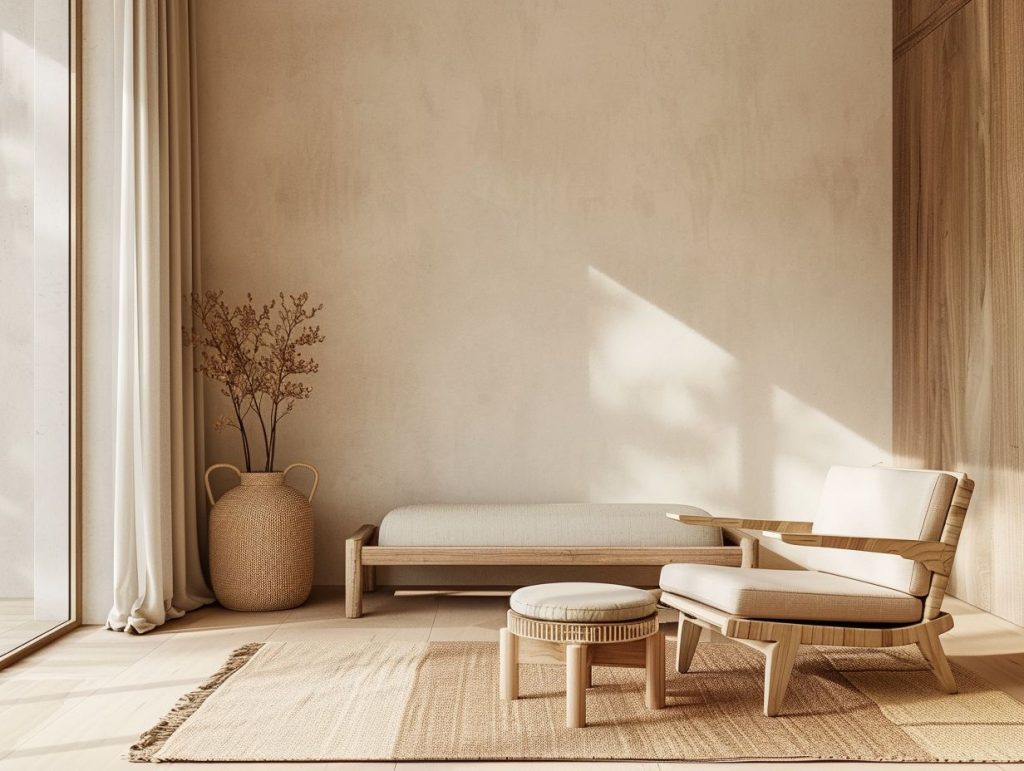
DISCOVER MORE: Click here to find out how spatial efficiency enhances minimalist living
Understanding the Fundamentals of Decluttering
To fully appreciate the art of decluttering, it’s important to delve into the reasons why we accumulate unnecessary possessions. For many, items represent memories, aspirations, or simply a sense of security. However, as the adage goes, “less is more,” and creating a space that reflects a more streamlined lifestyle often leads to unexpected benefits. The act of decluttering serves as a catalyst for change, allowing individuals to reassess their priorities and embrace a more intentional way of living.
To begin your journey toward a harmonious home environment, it’s crucial to approach decluttering with a clear mindset. Consider the following strategies to help make the process effective and transformative:
- Establish a Vision: Before diving in, envision the type of space you wish to create. This may include an organized workspace that enhances your productivity or a calming bedroom retreat that promotes restful sleep. Having a clear vision will guide your decisions as you sift through items.
- Set Time Limits: Decluttering can become overwhelming if you don’t pace yourself. Allocate specific time blocks, such as 20-30 minutes a day, to focus on one area at a time. This method keeps the process manageable and helps prevent burnout.
- Use the Four-Box Method: As you evaluate your belongings, sort items into four distinct categories: keep, donate, sell, and discard. This systematic approach provides clarity on what to keep and what can be let go, thus facilitating an efficient decluttering process.
- Be Mindful of Sentimentality: Many find it challenging to part with items that hold emotional value. Remember, it’s not the item but the memory that is valuable. Take a photo of sentimental items if you struggle to let them go, allowing you to preserve the memory without taking up physical space.
- Incorporate the “One In, One Out” Rule: To maintain your newly decluttered space, adopt the practice of replacing an item only when another is removed. This principle ensures you never accumulate more than you need and keeps clutter at bay.
It’s also essential to acknowledge the psychological impact that decluttering can have. Research indicates that removal of clutter can significantly enhance cognitive function and reduce stress levels. A study conducted by UCLA’s Center on Aging found that individuals living in chaotic, cluttered environments reported higher levels of cortisol, the stress hormone, while those in organized spaces exhibited improved mental clarity. Such findings underscore the importance of creating a well-ordered environment.
As we take stock of the clutter in our lives, it becomes apparent that the benefits extend far beyond the physical space. Embracing the art of decluttering not only helps to foster a harmonious atmosphere but also promotes greater mental well-being and emotional resilience. With the right mindset and strategic approach, anyone can transform their living environment into a sanctuary of efficiency and peace.
The Art of Decluttering: Creating a Harmonious Home Environment Through Space Efficiency
In the pursuit of a harmonious home, understanding the art of decluttering is crucial. As we navigate through our daily lives, possessions can accumulate, inadvertently leading to chaos and disarray. Applying effective decluttering techniques not only creates a more aesthetically pleasing environment but also significantly enhances mental well-being. When your living space is organized, it fosters a calming atmosphere, allowing for increased productivity and creativity.
The principle of space efficiency serves as the foundation of decluttering. This involves utilizing available space in your home more effectively to minimize clutter while maximizing functionality. By adopting strategies such as categorizing belongings, implementing storage solutions, and practicing mindfulness about what you bring into your home, you can create an orderly sanctuary that reflects both personality and practicality.
Moreover, decluttering encourages a thoughtful approach to material possessions. It compels individuals to evaluate the necessity and sentimentality of their belongings, leading to more informed decision-making about what to keep and what to let go. Ultimately, this not only clears physical space but also allows for emotional liberation from attachments that may no longer serve a purpose.
| Category | Benefits |
|---|---|
| Increased Focus | A tidy space enables better concentration on tasks at hand. |
| Enhanced Well-being | Decluttering can reduce stress and foster a sense of tranquility. |
Implementing these concepts of decluttering and space efficiency not only transforms physical spaces but can also inspire a shift in mindset. A more organized environment promotes clarity and peace, positioning you to tackle the demands of daily life with renewed energy and focus.
DISCOVER MORE: Click here to boost your productivity
Maximizing Space Efficiency through Strategic Organization
Once the clutter has been effectively minimized, the next step in mastering the art of decluttering is to focus on strategic organization. Efficiently utilizing the remaining space not only enhances functionality but also contributes to the overall serenity of your home. Below are key methods to optimize your space:
- Vertical Space Utilization: Many individuals overlook their vertical space. Installing shelves, hooks, or hanging organizers can free up valuable floor space while also providing a stylish display for books, plants, or decorative items. For example, a gallery wall can turn an empty space into a statement piece, marrying aesthetics with utility.
- Storage Solutions: Invest in multi-functional furniture that doubles as storage. Ottomans and benches with hidden compartments can store blankets, toys, or books. Similarly, under-bed storage boxes can cleverly utilize the often-ignored space beneath your bed, showcasing the genius of multifunctionality.
- Labeling Systems: Maintaining organization is easier with a labeling system. Use bins or baskets for various items and clearly label them. This not only streamlines the process of finding necessities but also simplifies the upkeep of your organized space.
- Drawer Organizers: Drawers can easily become catch-alls for miscellaneous items. By utilizing drawer organizers, you can create designated areas within drawers to categorize items, such as utensils, office supplies, or toiletries. This prevents clutter from forming and promotes a more efficient use of internal spaces.
- Rotational Systems: For items that are used seasonally—like clothing or holiday decorations—implement a rotational system. Store off-season items in designated containers, labeled for easy identification, and stored out of sight. This practice not only creates more room but also keeps your home décor fresh and relevant throughout the year.
Beyond physical space maximization, it’s essential to recognize how organization affects mental clarity. A well-ordered environment can stimulate creativity and focus, making a significant positive impact on your daily life. Indeed, researchers have found that organized spaces can improve productivity while reducing feelings of anxiety. For instance, a study published in the journal “Personality and Social Psychology Bulletin” highlights that individuals working in tidy environments reported higher levels of satisfaction and lower stress.
Further compelling is the relationship between color and organization. Utilizing calming colors for your storage and organizational items—such as blues, greens, or neutrals—can enhance the peaceful vibe of your home. These choices can transform an otherwise mundane space into an oasis of tranquility, promoting a more harmonious living atmosphere.
Moreover, consider the role of technology in streamlining organization. Digital inventory apps can help track belongings, making it easy to identify what you have, where it’s stored, and when it’s time to declutter again. By using tools like these, you can maintain an efficient and harmonious home environment devoid of unnecessary chaos.
Taking the time to enhance your home’s organization not only aligns with the principles of space efficiency but also fosters a greater sense of well-being. By embracing these strategic approaches, you reinforce the transformative power of decluttering, ensuring your living space evolves into an environment that truly reflects a balanced and harmonious lifestyle.
DISCOVER MORE: Click here to learn how spatial efficiency enhances minimalist living
Conclusion: Embracing the Art of Decluttering for a Harmonious Home
In conclusion, mastering the art of decluttering offers profound benefits that extend beyond mere aesthetics. A space-efficient home not only fosters organization but also contributes significantly to your emotional well-being. By strategically utilizing your space—be it through vertical organization, multi-functional furniture, or effective labeling systems—you are not just arranging your belongings; you are creating a sanctuary that promotes mental clarity and peace.
The journey towards a harmonious environment is far more than a one-time task; it evolves into a mindful practice that enhances your daily life. As research indicates, a well-organized space contributes to increased productivity, reduced stress, and greater satisfaction in your surroundings. The infusion of calming colors and technological tools further enhances this experience, keeping your living areas serene and manageable.
Ultimately, by cultivating an ongoing relationship with your possessions through conscious decluttering, you set the stage for a nurturing home. This practice encourages a mindful approach to living, where each item possesses purpose and value. As you integrate these principles into your daily routine, you will discover the transformative power of creating a harmonious home environment, leading to not just a well-organized space, but a richly fulfilling life.
So, take the plunge, embrace the art of decluttering, and witness as your home transforms into a tranquil oasis that reflects harmony, efficiency, and intentionality. The path to a serene living space is paved with choice, and every step towards an organized environment enhances your overall quality of life.