
The Importance of Mindfulness in Minimalism Practice

The Intersection of Mindfulness and Minimalism
In a world where noise and clutter thrive, many people are turning towards two powerful philosophies: mindfulness and minimalism. Both approaches empower individuals to experience life more fully by stripping away distractions and focusing on what truly matters. By adopting minimalism, people aren’t merely clearing their homes of unnecessary items; they are simultaneously paving the way for mental clarity and emotional well-being. This synergy between the two practices encourages a more intentional way of living that resonates deeply within the psyche.
Mindfulness champions the importance of being present and engaged in the moment. Practicing mindfulness can take many forms, such as meditation, journaling, or simply taking time to breathe amidst the hustle and bustle of daily life. For instance, individuals might spend five minutes each morning tuning into their thoughts and feelings, identifying what truly matters to them. This heightened awareness serves as a foundation for the intentional choices that minimalism advocates—often leading to transformations in areas ranging from possessions to social commitments.
- Enhanced Awareness: By becoming more attuned to their thoughts and emotions through mindfulness practices, individuals are better equipped to discern what truly serves their well-being. For example, someone might recognize that a once-beloved item now only adds to their stress and choose to let it go.
- Intentional Choices: With minimalism, every purchase and commitment is evaluated critically. Rather than automatically acquiring the latest gadget or responding to every social invitation, minimalists focus on whether these additions genuinely contribute to their happiness. This confrontation with consumerism is particularly relevant in American culture, where advertising often promises fulfillment through abundance.
- Stress Reduction: Both practices work in tandem to alleviate stress. A study conducted by the University of California found that organizing physical spaces leads to lower levels of cortisol, the stress hormone. When individuals simplify their surroundings and focus on sentient mindfulness, it paves the way for a more serene existence.
Embracing this mindful approach to minimalism can result in profound changes. It empowers individuals to release physical and emotional burdens, creating an environment rich with space for growth and creativity. For many in the United States, this means shifting from a mindset dominated by consumerism to one that values experiences and genuine connections, as highlighted in various sociological studies reflecting changing American values.
As we navigate a society increasingly defined by material wealth, understanding the importance of mindfulness in minimalism practice becomes vital. By examining the delicate balance between our possessions and our feelings towards them, we create a pathway to a more fulfilling and purposeful existence, reshaping not only our homes but also our lives. Engaging with resources such as community workshops or online forums about these topics can provide valuable insights for those eager to embark on this transformative journey.
DISCOVER MORE: Click here to delve deeper
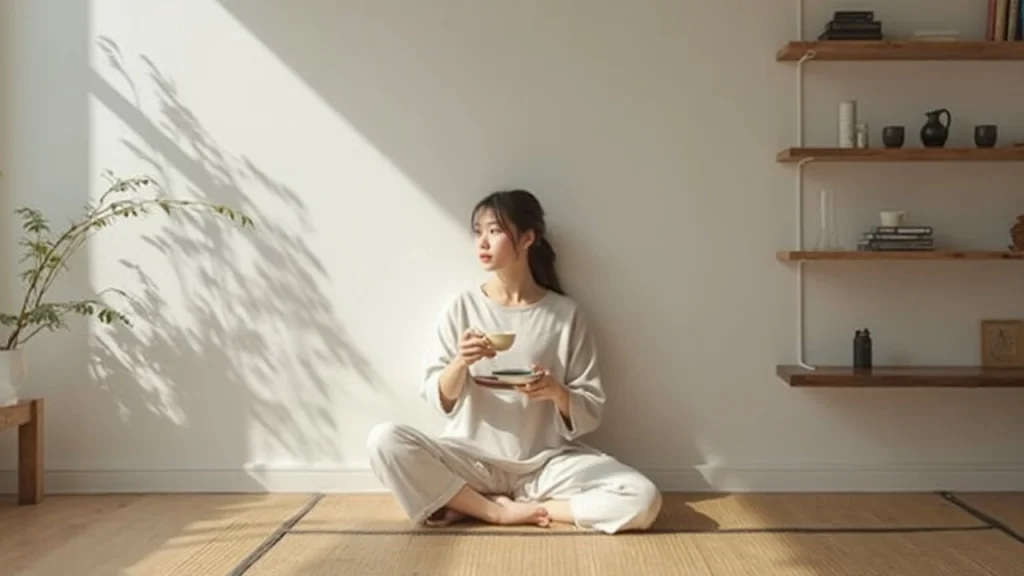
Embracing Mindfulness for a Purposeful Minimalist Life
The practice of mindfulness serves as the cornerstone for effective minimalism. It is not simply an approach to decluttering one’s home but a comprehensive strategy for fostering a lifestyle rooted in intentional living and emotional clarity. As individuals journey through the process of simplifying their lives, mindfulness provides the tools necessary to stay grounded and make thoughtful decisions about what truly serves them. This integration of mindfulness into minimalism enables a more fulfilling and enriching experience.
To grasp the significance of mindfulness in minimalism, it’s essential to recognize how these two practices complement one another. Mindfulness cultivates an awareness that helps individuals sift through layers of distraction, enabling clearer vision when it comes to their possessions and priorities. Here are several ways that mindfulness enhances the practice of minimalism:
- Clarity in Decision-Making: Mindfulness encourages individuals to pause and reflect on their needs rather than react impulsively to influences around them. When faced with a decision to keep or discard an item, mindfulness allows them to consider emotional ties, utility, and overall happiness.
- Emotional Release: Many people hold onto items out of sentimentality, which can lead to emotional clutter. Engaging in mindfulness can help individuals process their feelings, allowing them to acknowledge memories associated with items while recognizing that those memories do not necessitate physical possessions.
- Focus on the Present: In a fast-paced society, individuals frequently find themselves racing against time, often neglecting to appreciate current experiences. Mindfulness encourages a shift in focus, inviting individuals to embrace the present moment and appreciate their surroundings without the weight of excess possessions.
By cultivating mindfulness, minimalists develop a deeper understanding of their motivations and desires. This exploration leads to an authentic living experience where every choice aligns with their values and aspirations. For example, a person might discover through mindfulness that social gatherings are more enriching than collectible items, prompting them to spend resources on experiences rather than objects. This shift can resonate significantly within the context of American culture, where consumerism often dictates happiness through accumulation.
The relationship between mindfulness and minimalism extends beyond the reduction of physical items; it encompasses a holistic approach to life. As individuals cultivate greater mindfulness, they inherently question societal norms regarding consumption and ownership. In doing so, they find that the less they possess, the more they are free to experience what life has to offer—nurturing genuine connections, exploring passions, and fostering a sense of community inclusive of shared values.
In this era of rapid change and digital saturation, understanding the importance of mindfulness in minimalism practice can reshape lives dramatically. By fostering a mindful perspective, individuals not only declutter their homes but also harmonize their internal landscapes, creating a resonant space that encourages growth, creativity, and joy. Embracing this synergy paves the way for revitalized living that transcends physical boundaries and empowers people to live deeply and meaningfully.
| Benefits of Mindfulness | Minimalism Practices |
|---|---|
| Increased Clarity | Cultivating mindfulness fosters a clear understanding of one’s values, enabling more intentional decision-making in minimalism. |
| Emotional Resilience | Practicing mindfulness aids in managing emotions, leading to a more peaceful and stress-free environment when decluttering. |
| Enhanced Focus | By focusing on the present moment, practitioners can concentrate on the essentials, reducing distractions in their living spaces. |
| Improved Well-being | Mindfulness encourages a lifestyle that prioritizes mental health, promoting relaxation and a sense of belonging in minimalist surroundings. |
Incorporating mindfulness into minimalism practices not only enhances personal clarity but also fosters an emotional resilience crucial for navigating the often challenging process of decluttering. With mindfulness, individuals learn to focus on their intrinsic values and emotional responses, turning the act of simplifying one’s life into a deeply reflective practice. This introspective approach enables an individual to make conscious choices about what to keep and what to let go, resulting in improved well-being and enriched living spaces. Moreover, heightened focus through mindfulness allows practitioners to create serene environments that reflect their true essence and ideals. By being present, they can appreciate the beauty in simplicity, thereby enhancing their quality of life. With ongoing practice of mindfulness, the path to minimalism becomes a rewarding journey that unveils deeper insights into oneself and one’s relationship with material possessions.
DIVE DEEPER: Click here to learn more
Navigating the Intersection of Mindfulness and Minimalism
As mindfulness takes root within the practice of minimalism, it encourages a deeper exploration of objects and their meaningful place in our lives. Beyond the mere act of removing excess items, mindfulness allows individuals to approach their belongings with a newfound sense of purpose and intentionality. This interplay fosters a critical analysis of lifestyle choices, offering a path toward sustainability and reduced environmental impact.
One of the most significant areas that mindfulness illuminates within minimalism is the concept of intentional consumption. Traditional consumer culture often celebrates the act of buying, regardless of necessity; however, mindfulness invites individuals to question their purchases. Understanding the impact of each acquisition not just on personal space, but also on the environment and society, enables people to select items that resonate with their values. For instance, opting for sustainable brands or second-hand goods becomes a conscious decision aimed at decreasing one’s carbon footprint.
Moreover, integrating mindfulness cultivates a stronger connection to the items that individuals choose to keep. When we mindfully select what to retain, each object becomes infused with purpose, rather than serving as merely an assortment of clutter. This attitude encourages individuals to appreciate what they have, fostering gratitude and a sense of contentment with less. Data from the Psychology of Consumer Behavior journal suggests that mindful consumers report higher satisfaction levels due to their keen ability to derive pleasure from their possessions rather than yearning for more.
Additionally, mindfulness plays a pivotal role in how individuals navigate the complexities of emotional attachment to objects. Many times, the challenge lies not in recognizing what is extraneous, but in letting go of items laden with memories. Mindfulness equips individuals with the courage to confront the associated emotions and to understand that memories are not confined to physical objects. By embracing a mindset where letting go equates to liberation rather than loss, individuals can unburden themselves from emotional baggage and embrace a lifestyle that aligns with present values.
In practical terms, meditative practices such as deep breathing, journaling, or simply taking moments of silence can aid in the process of decluttering. Such practices cultivate a calm mental state, making it easier to identify what adds value to life. As minimalists approach their decluttering tasks with mindfulness, they may find themselves experiencing therapeutic benefits, reflecting positively on their mental well-being in an era characterized by chaos and distraction.
Mindfulness also fosters a desire for meaningful community engagement, a vital element of minimalist living. As adherents to this lifestyle seek to strip away the unnecessary, they often gravitate toward relationships and interactions that enrich their lives. This can manifest in trading items with friends, participating in community swaps, or simply enjoying quality time without the cacophony of material possessions. By cultivating connections that nourish the soul, individuals discover that less truly can become more.
The practice of mindfulness could initiate a broader movement towards holistic living, where individuals not only embrace minimalism in their physical spaces but also in their interactions and lifestyles. The emphasis shifts from a mindset focused on accumulation to one celebrating presence and connection, leading to transformative lifestyle changes.
DISCOVER MORE: Click here to delve deeper
Embracing Mindfulness for a Meaningful Minimalist Journey
In conclusion, the fusion of mindfulness with minimalism not only redefines our relationship with possessions but also promotes an intentional lifestyle that values quality over quantity. Embracing mindfulness within minimalism encourages individuals to consciously evaluate what they keep in their lives, fostering a deeper appreciation for the items that hold true significance. This potentially liberates us from the mainstream consumer mentality, where accumulation often overshadows meaning.
The transition towards intentional consumption is a challenge many individuals face, yet mindfulness equips them with the tools necessary to make thoughtful choices that align with their core values. As they explore their emotional attachments to objects, the act of letting go can evolve from a painful task into a liberating journey toward self-discovery and clarity.
Moreover, as mindfulness facilitates a desire for community engagement, individuals not only declutter their spaces but also enrich their lives through authentic connections. This reinforces a holistic approach to minimalism, where well-being transcends material goods, enabling people to embrace a lifestyle filled with meaning, purpose, and sustainability.
With the increasing pace of modern life, integrating mindfulness into our minimalist practices can elevate mental well-being, foster gratitude, and ultimately lead to a profound sense of contentment. For those seeking to embark on a minimalist journey, embracing mindfulness is not merely an option; it is a vital component that transforms decluttering into an empowering and enriching experience. By prioritizing presence and connection, we invite a new standard of living—one where less truly is more.