
The Role of Technology in Clutter Control: Apps and Tools that Help Organize
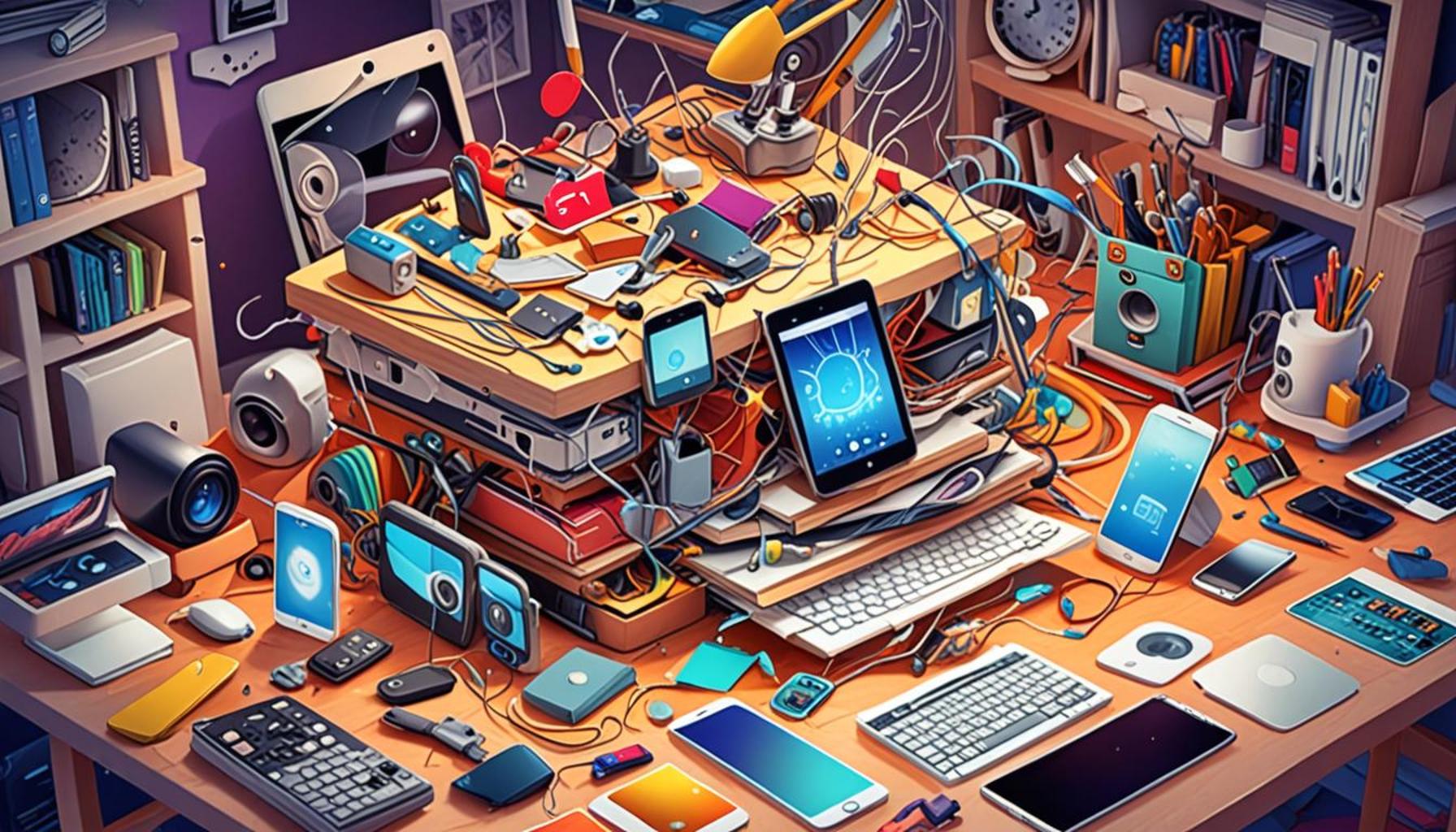
Revolutionizing Organization in the Digital Age
In a world where time is at a premium, many individuals find themselves overwhelmed by the physical and mental clutter that accumulates in their lives. Fortunately, technology is at the forefront of offering solutions designed to help us regain control over our spaces and schedules. With the availability of a plethora of innovative apps and tools, organizing one’s surroundings has transformed from a daunting task into a manageable endeavor.
One of the key areas where technology plays a pivotal role is in task management. Applications such as Todoist and Trello have revolutionized how we prioritize our tasks and manage projects. For example, Todoist allows users to create lists with due dates, set reminders, and even collaborate with others on shared projects. Meanwhile, Trello utilizes boards and cards to visualize tasks, making it easier to track progress and deadlines. These tools are particularly useful for busy professionals managing multiple projects or families juggling various schedules, providing a clear view of what needs to be accomplished and minimizing the chaos that can lead to clutter.
Document organization is another area significantly enhanced by technology. Gone are the days of sifting through piles of paper or worrying about lost documents. Digital tools like Evernote and Google Drive facilitate seamless filing and retrieval of important information. With Evernote, users can create notebooks, clip web pages, and even record voice memos, ensuring that all relevant information is stored in one easy-to-access location. Google Drive complements this by offering a cloud-based platform where documents can be shared and collaborated on in real-time, allowing multiple users to work together without the confusion of physical paperwork.
For those embarking on the path of decluttering, virtual assistants such as Sortly can provide invaluable support. These tools help manage inventory and track items, offering features that allow users to photograph belongings, categorize them, and set reminders for when items need to be used or maintained. By implementing such a system, individuals can make informed decisions about what to keep and what to discard, ultimately leading to a more organized living space.
As we transition from traditional organizing methods to digital solutions, the benefits are clear. These resources empower individuals to form personalized systems of organization that not only enhance productivity but also contribute to overall well-being by reducing stress related to clutter. The integration of technology into clutter control is not just about increasing efficiency; it is about fostering a more balanced and harmonious lifestyle.
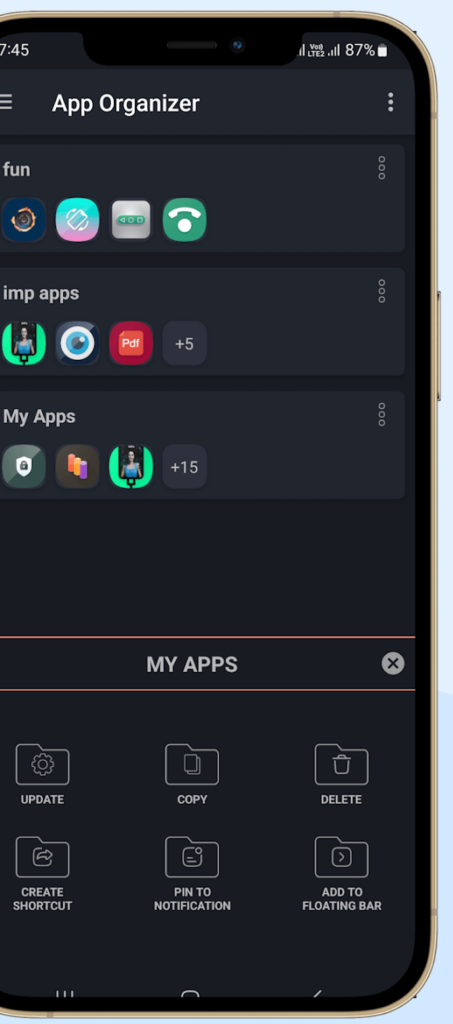
Are you ready to dive into the world of digital organization? Explore these tools further and discover how embracing technology can simplify your clutter control, leading to a more organized and fulfilling life.
DISCOVER MORE: Click here for minimalist strategies to boost your productivity
Streamlining Daily Life with Digital Solutions
The surge of technology has created a wealth of opportunities for individuals seeking to combat clutter in their lives. With smart solutions just a tap or click away, the organization can now be personalized, efficient, and even enjoyable. Let’s dive into some of the most transformative apps and tools that have emerged as champions in the realm of clutter control.
Home Organization is an essential aspect of managing one’s space effectively. Home inventory apps like Sortly and ICLOO make it easier to keep track of personal belongings. Sortly, for instance, allows users to create a visual inventory by taking pictures of items and categorizing them into folders. Users can add descriptions, locations, and even barcodes for efficient tracking. By logging every item in an organized manner, finding that elusive pair of scissors or forgotten kitchen gadget becomes effortlessly simple.
The challenge of time management also plagues busy individuals across the United States, making apps like TimeTree and Google Calendar indispensable. TimeTree is especially user-friendly for families or groups, as it enables shared calendars where multiple users can add events, reminders, or tasks. This feature lessens scheduling confusion and promotes a smoother flow of daily activities. Google Calendar, on the other hand, integrates seamlessly with other Google applications, adding layers of efficiency to task management through color coding and alerts that sync with mobile devices.
Productivity Tools to Minimize Clutter
For those who find that digital clutter also disrupts productivity, tools focused on note-taking and idea management facilitate smoother workflows. Applications like Microsoft OneNote and Notion offer customizable pages and databases for organizing thoughts and ideas. OneNote mimics a traditional notebook, allowing users to segment content with tabs and various media formats like audio and video. Notion elevates this experience by integrating to-do lists, project boards, and notes into a single cohesive platform, suitable for both personal and collaborative use.
Another critical area is financial organization. With the increasing complexity of personal finance, budgeting apps such as Mint and You Need a Budget (YNAB) step in to provide clarity. These apps help users track expenses, set financial goals, and manage budgets in real-time, allowing for more informed decisions about spending and saving. By establishing financial control, users find themselves less burdened by financial clutter, leading to a clearer outlook on their overall financial wellness.
As users explore these various tools, it’s important to consider their unique needs and preferences. The digital landscape for organization is vast, offering something for everyone, whether you’re looking to rein in household items, streamline work tasks, or maintain control over finances. Leveraging these technologies can fundamentally reshape how one interacts with their environment, transforming chaos into a systematic approach to living.
The Role of Technology in Clutter Control: Apps and Tools that Help Organize
In today’s fast-paced world, the challenge of managing clutter has never been more pressing. Fortunately, numerous apps and tools have emerged in recent years aimed at streamlining organization and enhancing productivity. These innovative solutions leverage technology to offer users a personalized approach to tackling clutter, whether physical or digital.
One of the standout categories is task management apps. Tools like Todoist or Trello not only help prioritize tasks but also provide frameworks for decluttering workspaces, both mentally and physically. By allowing users to break down projects into manageable steps, these apps facilitate a cleaner workflow, enabling more efficient time management.
Document scanning apps, such as CamScanner or Evernote, are also pivotal in clutter management. They enable users to digitize important physical documents, reducing the need for paper storage and making it easier to access necessary files at any moment. With cloud integration, users can categorize and store their documents securely, ensuring that important information is always within reach and reducing physical clutter significantly.
Moreover, smart home technologies such as automated storage solutions and IoT devices like smart speakers can revolutionize clutter control at home. They provide reminders for cleaning schedules, help manage inventory by keeping track of household items, and even enable voice-controlled organization systems that contribute to an overall orderly environment.
Lastly, visualization tools like Pinterest or organization channels on platforms such as YouTube can inspire and guide users on decluttering techniques, enhancing their knowledge of effective organization strategies while motivating them to take action. By harnessing technology, individuals can not only manage but also embrace a lifestyle of minimalism and order.
| Category | Key Features |
|---|---|
| Task Management | Prioritization and efficient organization of tasks. |
| Document Scanning | Digitization of important documents, reducing paper clutter. |
| Smart Home Tech | Automation of cleaning and organization tasks for easier management. |
| Visualization Tools | Inspiration and guidance for effective decluttering techniques. |
By embracing these technological tools, individuals can effectively combat clutter while fostering a sustainable and organized lifestyle. With the right apps and strategies, anyone can transform their space and mindset towards a more orderly existence.
DIVE DEEPER: Click here to discover how mindfulness can enhance your organization
Harnessing the Power of Automation for Clutter Management
As technology advances, innovation has led to the rise of automation tools that revolutionize how we manage our daily responsibilities. By minimizing repetitive tasks, these tools can significantly reduce clutter both in physical spaces and mental workloads. Apps such as IFTTT (If This Then That) and Zapier enable users to create automated workflows that connect various apps and services, allowing for a seamless flow of information. Imagine automatically saving email attachments directly into cloud storage or having calendar events trigger reminders in your task manager; automation can free up mental space, allowing individuals to focus on what truly matters.
In the realm of digital decluttering, tools like CCleaner and CleanMyMac assist users in maintaining their devices by removing unnecessary files, freeing up valuable storage space, and enhancing overall performance. These applications scan for temporary files, duplicates, and system junk, enabling users to manage their devices efficiently. This functionality doesn’t just alleviate clutter at the device level; it also contributes to longevity and productivity when using technology daily.
Smart Home Solutions for Enhanced Organization
The concept of a smart home extends beyond mere convenience; it encapsulates a holistic approach to organization. Smart devices such as voice-controlled assistants, including Amazon Alexa and Google Assistant, can help users manage their schedules, set reminders, and create shopping lists with simple voice commands. This hands-free approach not only cuts down on physical clutter from sticky notes or planners but also enhances efficiency by integrating various tasks into one seamless experience.
Moreover, smart storage solutions like smart containers or RFID tracking systems are becoming increasingly popular in homes across America. Such systems allow individuals to monitor inventory levels and receive alerts when supplies are running low or to find specific items quickly without sifting through cluttered spaces. As these technologies develop, they offer an enticing glimpse into a future where organization can be as intuitive as speaking a command.
Visualizing Change with Project Management Tools
When it comes to collaborative projects, the right tools can dramatically streamline processes and eliminate organizational clutter. Platforms like Trello, Asana, and Monday.com allow users to visualize their tasks and track progress with ease. By using boards, lists, and cards, individuals and teams can organize projects into actionable steps, assigning responsibilities to ensure nothing gets overlooked. Furthermore, the visual aspect of these tools keeps both team members and project objectives clear, diminishing the clutter often associated with traditional project management methods.
For those with a penchant for visual learning, digital tools like Miro and MindMeister facilitate brainstorming through mind mapping. These platforms enable users to initiate ideas in a freeform manner while maintaining structure, resulting in a clearer understanding of concepts and reducing the overwhelm that can often accompany brainstorming sessions.
The era of digital organization is not just a momentary trend; it symbolizes a shift towards an increasingly efficient and methodical approach to managing both physical and digital spaces. Embracing such innovative tech tools ignites possibilities for users looking to minimize clutter and optimize their lives in ways previously unimagined.
DISCOVER MORE: Click here for strategies to boost your productivity
Conclusion: Embracing Technology for Effective Clutter Control
The intersection of technology and clutter control presents a remarkable opportunity to reshape our organizational habits for the better. As we delve deeper into the digital age, the myriad of apps and tools available not only support us in managing our time and obligations but also empower us to create more streamlined physical and digital environments. Automation tools like IFTTT and Zapier open the door to increased efficiency, allowing individuals to devote their attention to more meaningful pursuits while minimizing the chaos of daily life.
Moreover, intelligent home solutions—ranging from smart assistants to advanced storage systems—are redefining organization at home, enhancing functionality while reducing unnecessary clutter. These innovations are not just a convenience; they represent a shift toward smarter living, where technology intuitively assists in our quest for order.
In addition, digital project management platforms such as Trello and Asana further demonstrate the power of visualization in mitigating clutter, providing tools to clearly articulate goals, delegate tasks, and maintain oversight of project workflows. The benefits are profound: higher productivity, reduced stress, and the capacity for collaborative creativity without the burden of disorganization.
Ultimately, the role of technology in clutter control is an evolving narrative, encouraging users to explore new methods of organization. As individuals increasingly embrace these innovative solutions, they pave the way for a future where clutter management is not merely a task but an integral part of everyday life. The question remains: are you ready to take the next step in your organizational journey?