The Spatial Efficiency in Creating Relaxation Environments: Minimalism for Well-Being
The Connection Between Space and Mental Well-Being
The relationship between our physical environment and mental health is critical, often shaping our mood and productivity more than we realize. In an age characterized by overwhelming stimuli, many people are turning to minimalism as a form of refuge. This lifestyle choice focuses on spatial efficiency, allowing individuals to curate their living spaces with intent, thereby fostering a calming atmosphere conducive to relaxation and peace.
Why Minimalism Matters
Minimalism transcends a simple aesthetic; it is a holistic philosophy that promotes mental clarity and well-being through thoughtful interactions with our surroundings. When individuals engage in minimalism, they make conscious decisions about their environment, leading to numerous beneficial outcomes. Some fundamental aspects are:
- Clutter Reduction: A disorganized environment can lead to cognitive overload, where the mind is bombarded with unnecessary stimuli. By eliminating clutter, individuals create a space that promotes clearer thinking and improved focus. Studies have shown that cluttered spaces are associated with increased stress and anxiety levels. Therefore, simplifying one’s environment can be a straightforward way to enhance mental clarity.
- Functional Design: Within minimalism, every object has a purpose. This functional approach means that each item in a living space supports a particular need or activity, reducing distractions and creating a more stress-free environment. For example, multi-functional furniture like a sofa-bed or storage ottoman not only saves space but also makes it easier to keep the area organized.
- Natural Elements: Integrating elements from nature, such as plants or natural light, nurtures a sense of tranquility. Research indicates that exposure to nature tends to lower stress levels and enhance feelings of happiness. Cities like Seattle and San Francisco, known for their emphasis on greenery and outdoor spaces, often see higher rates of reported well-being among residents.
Benefits of a Minimalist Space
Adopting a minimalist approach can lead to significant improvements in one’s emotional and mental health. Individuals who embrace this lifestyle often report transformative changes, including:
- Increased Focus: With fewer distractions in their surroundings, minimalists find it easier to concentrate on tasks at hand. For students and professionals alike, this enhanced focus can lead to better performance and higher achievements.
- Enhanced Creativity: A serene and clutter-free environment can allow for the flow of creative ideas. When distractions are minimized, the mind has room to explore imaginative concepts, leading to breakthroughs in artistic or professional endeavors.
- Improved Mood: Many people pursuing minimalism note a natural uplift in their emotions. Spaces that are simple yet functional promote feelings of calmness and satisfaction, contributing positively to overall mental health.
As we explore the intricacies of spatial efficiency, it becomes clear that minimalism offers a unique pathway to achieving a state of well-being. By creating thoughtfully designed environments, individuals can transform their homes into sanctuaries that nurture relaxation and mindfulness. Whether it’s decluttering a room or choosing to invest in quality over quantity, the journey toward minimalism is an invitation to rethink how we interact with the space we inhabit. Discover how minimalism can become a cornerstone of your lifestyle and lead you to a more peaceful existence.
DIVE DEEPER: Click here to uncover the power of simplicity
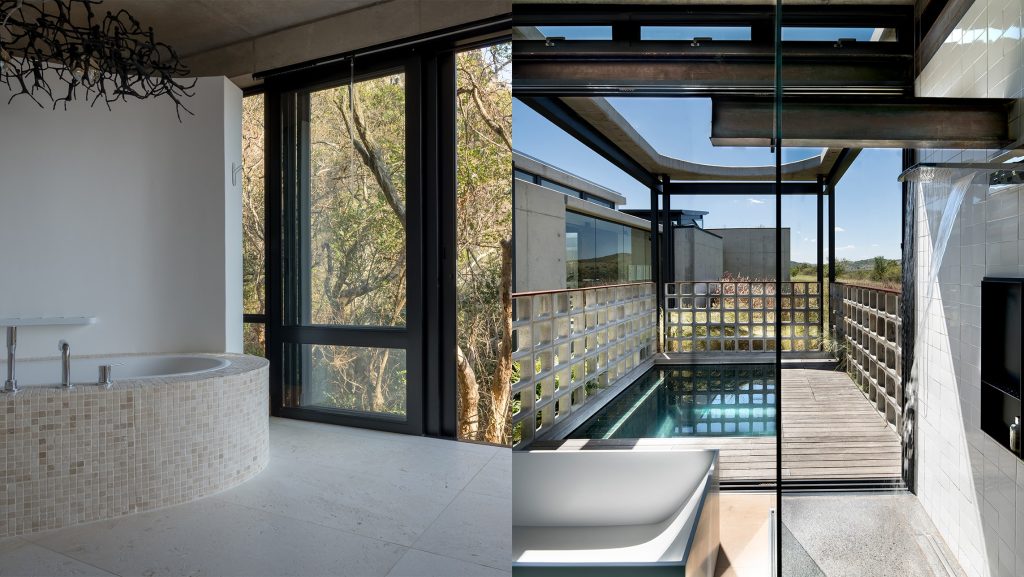
Embracing Minimalist Principles for Enhanced Tranquility
As we delve deeper into the principles of minimalism, it becomes evident that creating a relaxation environment is not merely about reducing clutter; it’s an art form that involves the strategic arrangement of space, color, and materials. This careful consideration allows for a harmonious interplay between function and aesthetics, fostering environments that not only promote well-being but also encourage mindfulness. By embracing minimalist strategies, individuals can enjoy a host of psychological and emotional benefits.
Thoughtful Space Planning
To achieve spatial efficiency, one must approach the layout of their environment with intention. Every corner, every piece of furniture should serve a distinct purpose, contributing to an overall aura of serenity. Research indicates that environments designed with open spaces and defined areas for specific activities promote relaxation and focus. For instance:
- Zoning: Dividing a space into functional zones—like a reading nook, a workspace, or a meditation area—helps individuals transition seamlessly between activities. These dedicated spaces encourage routine and mindfulness while reducing feelings of overwhelm.
- Flow and Movement: A well-planned space allows for easy navigation, minimizing frustration. Open pathways and a balanced arrangement of furniture can enhance the flow of energy, creating a calming dynamic as one moves through their environment.
- Color Palette: The choice of colors in a minimalist design plays a crucial role in influencing mood. Neutral tones such as whites, grays, and soft earth shades can evoke feelings of tranquility and peace, inviting individuals to unwind and relax.
Mindful Selection of Objects
Each item within a minimalist space should inspire joy and serve a function. The philosophy of “less is more” can be particularly empowering, allowing individuals to invest in high-quality pieces that resonate with their lifestyle and values. When making choices, consider the following:
- Emotional Connection: Selecting items that hold sentimental value fosters a personal connection to the space, making it feel more like a sanctuary rather than just a house.
- Quality Over Quantity: Prioritizing well-crafted, durable items not only reduces clutter but also elevates the aesthetics of the environment. For instance, a single beautiful artwork can engage the eye and serve as a focal point rather than a gallery of assorted decorations.
- Functional Art: Choosing pieces that are both practical and visually pleasing—such as artisanal storage boxes or stylish lighting fixtures—can enhance spatial efficiency while promoting relaxation.
Ultimately, adopting these minimalist strategies empowers individuals to take control of their environments, creating spaces that are not only visually delightful but also supportive of mental health. The journey toward achieving a minimalist lifestyle requires careful planning and execution, but the rewards—a sense of warmth, peace, and clarity—are invaluable. As we continue to explore the significance of spatial efficiency in nurturing well-being, the connections between our environments and our mental states become increasingly clear.
The philosophy of minimalism has become a focal point in contemporary interior design, particularly concerning relaxation environments. The core principle lies in the spatial efficiency—creating spaces that promote calm and well-being by eliminating clutter and distractions. Minimalist designs often involve the strategic use of space, allowing for a smoother flow of energy and enhancing the overall psychological effect of the environment. This notion is particularly important as urban dwellers increasingly seek refuge from the chaotic outside world.
Research indicates that environments crafted with minimalistic principles not only facilitate relaxation but also foster greater focus and productivity. Natural light, neutral colors, and a limited number of decor items work cohesively to create a serene atmosphere. By embracing open spaces and functional furniture, individuals can cultivate a sense of tranquility and harmony in their homes.
Moreover, minimalism extends beyond physical space; it embodies a lifestyle choice that emphasizes mindfulness and intentionality. The curated selection of objects and furnishings in a minimalist space often serves a purpose, reflecting the owner’s values and priorities. This unencumbered way of living facilitates emotional well-being and encourages individuals to reconnect with their environment.
As awareness grows about the psychological benefits of minimalism, more people are exploring how these principles can be integrated into their relaxation spaces. By adopting a minimalist approach, one can transform ordinary areas into sanctuaries of peace, thus enhancing overall personal health.
| Advantages | Characteristics |
|---|---|
| Enhanced Mental Clarity | Cultivating open spaces to reduce cognitive load |
| Improved Emotional Well-Being | A calming environment that invites relaxation and mindfulness |
This table highlights just a couple of the significant advantages of implementing minimalist design into relaxation environments. By understanding these characteristics, readers can begin to appreciate the transformative potential of minimalism in their own lives.
DISCOVER MORE: Click here to simplify your life
Creating Functional Aesthetics: The Power of Design in Minimalism
As we further explore the concept of spatial efficiency in crafting relaxation environments, it becomes paramount to understand the intersection of design and psychology. A minimalist approach not only emphasizes simplicity and functionality but also invokes a sense of aesthetic pleasure that can significantly influence one’s mental well-being. Research has shown that thoughtfully designed spaces can elicit calmness and reduce anxiety, making the choice of materials, textures, and arrangements all the more important.
The Role of Natural Elements
Integrating natural elements into minimalist designs can enhance the relaxing quality of spaces. Biophilic design—a concept that seeks to connect people with nature—has gained traction in recent years, particularly in urban environments. Here are several ways to incorporate greenery and natural materials effectively:
- Indoor Plants: Adding houseplants not only purifies the air but also contributes to emotional well-being. Studies have found that having plants in close proximity can reduce stress levels, improve concentration, and foster creativity.
- Natural Light: Maximizing natural light through large windows or skylights can dramatically alter the atmosphere of a room. Exposure to sunlight stimulates serotonin production, a hormone associated with happiness. The incorporation of sheer window treatments can filter harsh rays while still allowing warm light to penetrate the space.
- Natural Materials: Elements such as wood, stone, and bamboo can bring warmth and grounding qualities to a minimalist environment. Textures from natural fibers in furniture or textiles can create a tactile experience that fosters comfort and relaxation.
The Psychological Impact of Simplicity
Engaging with minimalist design doesn’t just provide visual clarity; it also promotes mental clarity. A simplified aesthetic alleviates decision fatigue and sensory overload, supporting a tranquil mindset. Here’s how simplicity translates into psychological benefits:
- Reduced Cognitive Load: Minimalist spaces, devoid of unnecessary items, allow the mind to focus on important tasks and activities without distraction, thus enhancing productivity and creativity.
- Encouragement of Mindfulness: When surrounded by fewer distractions, individuals are more likely to engage in mindful practices such as meditation or journaling. Spaces that promote calmness serve as nurturing backdrops for these self-care routines.
- Flexibility and Adaptability: Minimalist environments often allow for easy transitions between various functions—be it a living space transforming into a relaxation area or a home office. This adaptability reinforces a sense of control and promotes well-being.
The integration of these minimalist principles into relaxation environments highlights the importance of creating spaces that resonate with our personal and emotional landscapes. By focusing on functional aesthetics, individuals can shape their surroundings to reflect their unique identities while fostering a profound sense of peace. As we immerse ourselves in the possibilities of minimalism, we uncover new dimensions of well-being, beckoning us to rethink not just our spaces, but how we engage with the world around us.
EXPLORE MORE: Click here to uncover the art of intentional living</p
Rethinking Relaxation: The Unfolding Impact of Minimalism
In our fast-paced modern world, the importance of spatial efficiency in creating effective relaxation environments cannot be overstated. Adopting a minimalist approach enhances the potential for well-being by transforming our interactions with our surroundings. By stripping away the excess, we not only curate a space that prioritizes functionality and comfort but also foster psychological benefits that are invaluable in our striving for peace and balance. The careful integration of natural elements, bright light, and organic materials invites tranquility, while the principles of simplicity help to alleviate cognitive load, enabling mental clarity and focus.
Moreover, creating adaptable spaces that shift seamlessly from work to relaxation zones reinforces our sense of control over our environments. This flexibility, paired with the practice of mindfulness inherent in minimalist settings, allows individuals to engage deeply with their daily practices of self-care. As we encourage a reconnection to nature through biophilic design, the psychological and emotional impacts of these choices become increasingly significant.
Ultimately, the essence of minimalist design lies not just in aesthetics, but rather in its capacity to enhance our overall quality of life. By embracing spatial efficiency, we open ourselves to new dimensions of well-being that transcend the physical space we inhabit. As we venture forth, may we challenge ourselves to rethink our environments—transforming them into sanctuaries of peace, growth, and mindful existence.